India’s tourism sector is undergoing a powerful resurgence, with the government and private stakeholders initiating a full-fledged revival strategy to restore flight connectivity and reposition Kashmir as a premier global destination. After enduring disruptions from a recent terror attack in Pahalgam that stalled the region’s booming travel momentum, a coordinated recovery plan has been set into motion—anchored by restored air routes, invigorating promotional campaigns, and a digital-first branding overhaul aimed at global travelers.
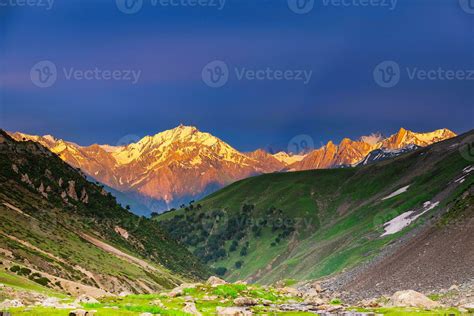
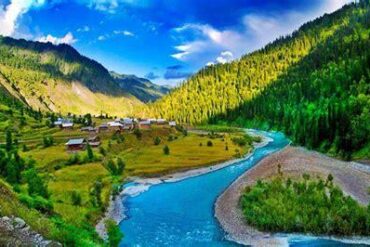
The latest revival wave underscores a fierce determination to not just recover but redefine India’s tourism appeal, spotlighting Kashmir’s captivating landscapes, cultural richness, and unparalleled hospitality as central themes. From reestablishing vital air corridors to unveiling evocative campaigns like Chalo Kashmir and Rally for Valley, every initiative converges toward one mission: bringing travelers back to the Valley and reigniting economic lifelines for its tourism-reliant communities.
Rebuilding Air Links: The Keystone of Kashmir’s Revival
The linchpin of this ambitious tourism restoration lies in the rapid revival of air connectivity. The April 22 terror incident led to widespread cancellations and a halt to several key routes, significantly impacting inbound traffic to the Kashmir Valley. Although services began resuming after hostilities subsided by May 10, critical links—such as the Kolkata-Srinagar flight—remained dormant, stifling access to one of India’s most beloved hill destinations.
However, a turning point came with IndiGo’s decision to reinstate its Kolkata-Srinagar service starting June 16. This move is seen as instrumental in restoring traveler confidence, especially from eastern India, which accounts for a significant share of Kashmir-bound tourists. With over 400,000 tourists traveling from Kolkata alone annually, including 40,000 to Kashmir, reestablishing this route reopens a vital tourism artery.
Airlines are also being encouraged to stabilize fare pricing, introduce family-friendly packages, and collaborate on integrated tourism offers. These incentives are aimed at overcoming lingering traveler hesitancy while making Kashmir more accessible to a broader audience.
Ground Zero Campaigns: TAAI Leads the Charge with ‘Chalo Kashmir’
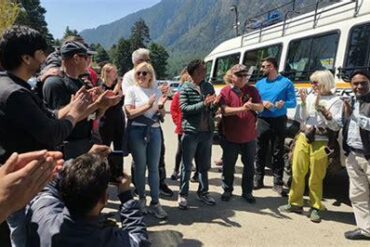
The Travel Agents’ Association of India (TAAI) has emerged as a dynamic force in the recovery narrative. Recognizing the need to counteract fear-driven declines in tourism, the association has launched impactful initiatives such as Chalo Kashmir and Rally for Valley. These campaigns leverage both emotional resonance and economic incentives, painting Kashmir not as a risk-laden territory but as a vibrant, serene, and welcoming destination.
TAAI’s direct coordination with the central government and airline carriers demonstrates an ecosystem-based approach, where logistics, policy, and perception management all align to deliver results. One of the association’s key demands is the imposition of tariff caps, especially on volatile routes where airfare fluctuations deter budget-conscious travelers.
Policy proposals under review include:
- Dynamic fare control to ensure pricing stability during peak demand
- Incentivized group travel schemes to bring back corporate and school tourism
- Pandemic-era pricing models to support local hospitality vendors and hoteliers
After the Attack: Shifting From Crisis to Opportunity
Kashmir was riding an unprecedented wave of tourism growth before the April attack, welcoming over 1.5 million tourists in 2024, a historical high that energized the entire region. The sudden plunge in visitor numbers following the attack was not just a setback—it was an economic tremor that reverberated across every layer of the hospitality chain.
Hotel bookings evaporated overnight. Restaurants saw table reservations dwindle. Tour operators, pony ride vendors, and transport providers all reported steep declines in daily income. The abrupt vacuum left many locals scrambling to preserve their livelihoods, sparking a collective pivot back to pandemic-era strategies.
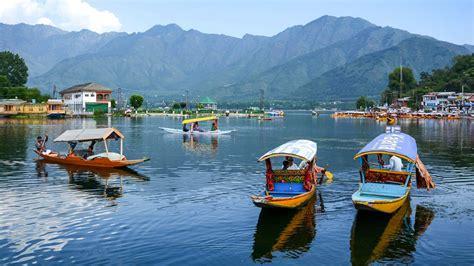
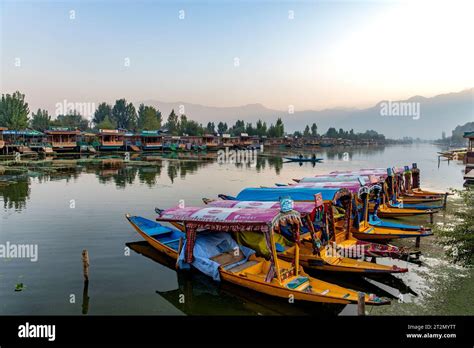
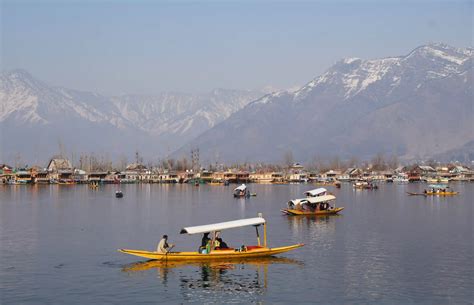
This includes dramatic rate reductions, with some hotels slashing prices by 40–60% to lure domestic tourists. Restaurants introduced budget combo deals and curated local experiences at minimal cost. Even houseboat owners on Dal Lake began offering extended stay packages to fill vacant slots and stimulate demand.
In tandem, a coordinated pricing strategy is being discussed among stakeholders to create a harmonized rate sheet for accommodations, transport, and guided tours—ensuring travelers receive value without the shock of post-crisis inflation.
New Rails, New Horizons: Vande Bharat’s Role in Recovery
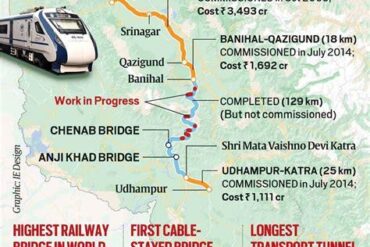
The launch of the Vande Bharat Express through Kashmir, especially its stretch over the majestic Chenab Bridge, marks a symbolic and logistical victory. This new train route not only enhances regional connectivity but opens scenic, secure overland access to travelers hesitant about air travel.
From panoramic windows that frame the Himalayan peaks to comfort-focused interiors that rival premium air cabins, Vande Bharat’s presence brings confidence, beauty, and accessibility to Kashmir-bound journeys. This expansion also presents tourism officials with fresh marketing angles, promoting Kashmir not just as a destination—but a journey worth the ride.
In cities like Kolkata, Mumbai, and Delhi, tourism boards are orchestrating multi-platform promotional campaigns. These include:
- Roadshows and curated destination showcases
- Influencer-led meetups featuring live testimonials from recent travelers
- Virtual reality booths recreating Dal Lake or Pahalgam for urban visitors
These campaigns are carefully timed to capitalize on school holidays, festivals, and the summer-autumn high season, further maximizing Kashmir’s tourism appeal.
Digital Renaissance: Rebranding Kashmir Online
One of the most transformative tools in the revival arsenal is digital storytelling. The image of Kashmir as a “conflict zone” is being actively reshaped through high-quality content dissemination. Social media teams, influencers, and vloggers are flooding platforms with visuals of peaceful villages, luxury hotels, and smiling locals engaging warmly with tourists.
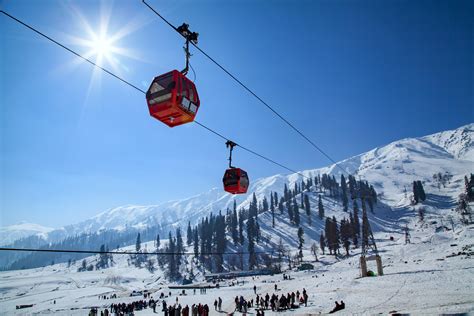
A surge of content tagged with #ChaloKashmir, #ValleyAwaits, and #IncredibleIndia is dominating Instagram and X (formerly Twitter), portraying a region that is resilient, ready, and reawakening. Influencers with millions of followers are sharing their experiences from Gulmarg ski slopes to the spiritual calm of Hazratbal, injecting visibility and credibility into the recovery narrative.
Digital platforms are also being used to circulate tailored itineraries focused on:
- Wellness retreats featuring Ayurvedic spas and yoga in natural settings
- Adventure tourism including trekking, rafting, and paragliding
- Cultural immersions like cooking classes and handicraft workshops with local artisans
Ground-Level Optimism Amid Strategic Planning
Despite the shadows cast by recent events, optimism pulses through the Valley. Hoteliers are reporting a modest rise in forward bookings for July and August. Travel aggregators are noting increased queries from both domestic travelers and diaspora-based NRIs. Early signs indicate that the coordinated messaging is not only reaching the audience—it’s moving them to act.
More importantly, safety remains front and center. The Jammu and Kashmir administration has intensified its security protocols, working closely with local police, tourism officials, and community leaders to ensure that tourist zones remain insulated from unrest. Checkpoints have been streamlined to minimize inconvenience, and hospitality staff are undergoing updated training to manage guest security discreetly and professionally.
Kashmiris, many of whom directly depend on tourism, are embracing the revival mission with an undeniable sense of ownership. From shopkeepers in Srinagar’s Lal Chowk to the guides of Sonmarg, there is a collective will to reintroduce their homeland to the world—not as a headline, but as an experience.
A Strategic Turning Point for Indian Tourism
India’s comprehensive push to revitalize Kashmir’s travel economy isn’t just about salvaging seasonal revenues—it reflects a larger strategy to reassert India as a resilient, all-season, globally competitive tourism destination. The synergy between policy, private players, and public outreach has created a robust template for post-crisis recovery.
As air connectivity scales up, promotional noise turns into bookings, and global travelers return to the Valley, Kashmir is poised not only to reclaim its past success but to transcend it. The revival of this jewel in India’s tourism crown sends a message far beyond its snowcapped borders: India is open, stunning, and safe—and the Valley awaits.