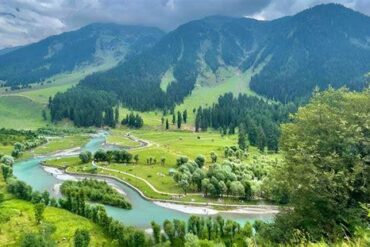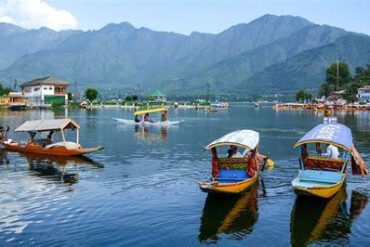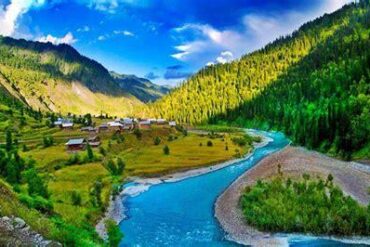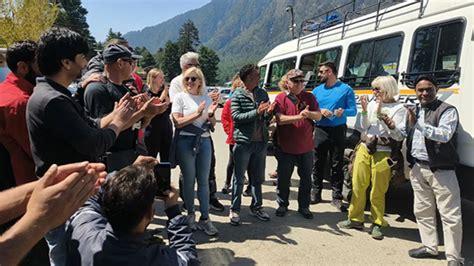
Kashmir, a region renowned for its breathtaking scenery, is finally reclaiming its identity as a top tourism destination. Following the tragic events of the April 22, 2025 Pahalgam terror attack, which left 26 people dead and deeply shook confidence across the region, Kashmir is now experiencing a promising recovery. This resurgence, termed the Kashmir tourism revival, has started with the reopening of 16 key tourist sites previously closed due to security concerns.
Kashmir Tourism Roars Back to Life
The Jammu and Kashmir administration, led by Lieutenant Governor Manoj Sinha, announced the reopening in phases, starting with popular destinations across both Jammu and Kashmir. Residents and businesses alike have warmly embraced this move, viewing it as a step toward returning to normal life. In the lush landscapes of Kashmir Valley, tourists are once again exploring:
- Betaab Valley
- Pahalgam Bazaar
- Park Verinag
- Kokernag Garden
- Achabal Garden in Anantnag
- Badamwari Park
- Duck Park near Nigeen Lake
- Taqdeer Park near Hazratbal Shrine, Srinagar
In Jammu, attractions welcoming visitors again include:
- Sarthal and Dhagar in Kathua district
- Devipindi, Siad Baba, and Sula Park in Reasi district
- Guldanda and Jai Valley in Doda district
- Pancheri in Udhampur district
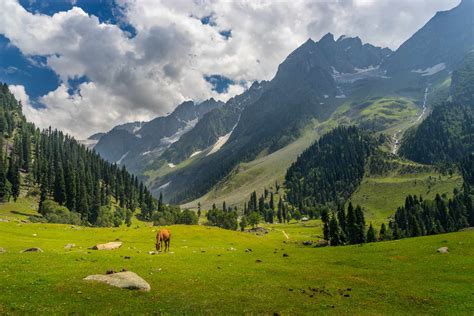
Hope Returns to Kashmir Tourism
This reopening has breathed fresh hope into the community, especially among those dependent on tourism for their livelihoods. Local business owners—ranging from houseboat operators and pony riders to shikara boatmen and street vendors—have eagerly awaited this moment. Many were concerned that continued closures would permanently harm their income and discourage future visitors. Manzoor Pakhtoon, representing the Kashmir Houseboat Industry, highlighted this relief clearly, noting how crucial it is to demonstrate openness to visitors. He emphasized the importance of tourism confidence, pointing out increasing registrations for the upcoming Amarnath Yatra and a steady rise in tourist arrivals via trains.
Enhanced Security Measures Restoring Confidence
The government recognizes that reviving tourism hinges greatly on the security environment. Accordingly, stringent security measures have been implemented to safeguard visitors and restore peace of mind. Key safety initiatives include:
- Increased deployment of Jammu & Kashmir Police and Central Reserve Police Force (CRPF) across all major tourist destinations.
- Specialized Tourist Police Units established to assist and secure visitors directly.
- Installation of high-definition CCTV systems and advanced Facial Recognition Systems (FRS) to continuously monitor crowded areas, entry points, parking zones, and other vital locations.
- Centralized control rooms with real-time monitoring, night vision, and motion detection technology.
- Integration of facial recognition software with a security database designed to rapidly identify and respond to potential threats.
These proactive measures have substantially improved the region’s security profile in India, encouraging tourists to return without fear.
Infrastructure Development Fuels Growth
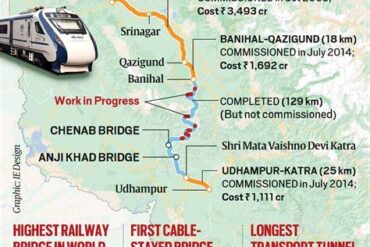
The region’s revival is not limited to security upgrades alone. Significant improvements in transportation infrastructure have been critical to drawing visitors back. One prominent example is the launch of the Vande Bharat Express, a high-speed train service directly linking Kashmir to Katra. This advancement has made travel to Kashmir quicker, easier, and more appealing. Additionally, ongoing promotional campaigns are helping spread the message that Kashmir is open and welcoming. Initiatives include active social media outreach, attractive tourism voucher programs, and the recent visits by a parliamentary panel assessing regional security. Collectively, these efforts portray Kashmir as both safe and inviting.
Future Prospects: Continued Reopening Ahead
Although 16 attractions have reopened, 32 more remain temporarily closed. Authorities plan to carefully review and reopen these locations progressively, contingent upon continuous assessments of security conditions. Such a phased approach ensures visitor safety while progressively restoring tourism activity. The forthcoming Amarnath Yatra, a significant religious pilgrimage in the region, promises an additional economic boost. High registration rates suggest growing traveler confidence, pointing towards a sustained and robust tourism rebound.
Final Thoughts
The Kashmir tourism revival is already evident through increased foot traffic and improving morale among locals and visitors alike. The reopening of these key locations, combined with strategic infrastructure enhancements like the Vande Bharat Express, robust security measures, and proactive marketing, signifies a hopeful future. With cautious optimism, Kashmir is once again positioning itself as a preferred travel destination, ready to showcase its natural beauty, cultural heritage, and warm hospitality to the world.