Manston Airport, a once-forgotten airfield in Kent, is preparing for a major revival that could reshape the landscape of low-cost travel in the UK. Dormant since 2014, the historic site is currently undergoing a comprehensive transformation, fueled by renewed interest in regional air travel and strategic investment. With a reopening timeline set for 2028, the airport’s first phase will serve cargo operations, but ambitious plans are firmly in place to lure budget airlines like Ryanair and easyJet, potentially offering affordable European travel directly from Kent.
The airport’s redevelopment is spearheaded by RiverOak Strategic Partners, with board director Tony Freudmann confirming their long-term goal: reinstating passenger services. In particular, they aim to forge partnerships with major low-cost carriers that could provide direct, budget-friendly flights to popular European destinations — a move set to benefit both travelers and the region’s economy.
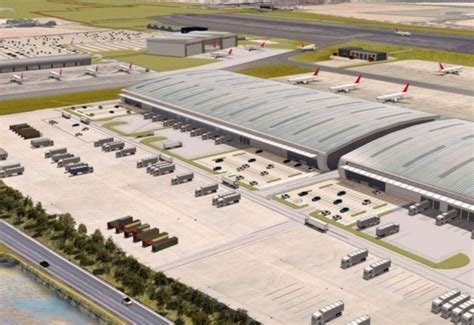
Breathing New Life into a Storied RAF Legacy
Originally established as a Royal Air Force base, Manston Airport played a critical role during both World War I and World War II, later evolving into a commercial airport before shutting its doors in 2014 due to unsustainable operations. The decision to revive Manston now signals a fresh chapter that bridges historical significance with modern air travel demand.
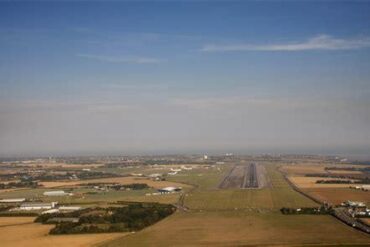
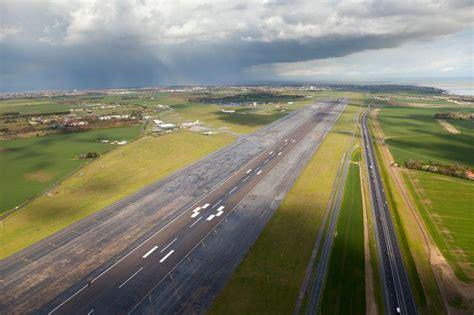
The airport’s strategic location in southeast England makes it a prime candidate to absorb passenger demand from crowded hubs like Heathrow, Gatwick, and Stansted. With an exceptionally long runway, originally built to accommodate Concorde and even emergency Space Shuttle landings, the infrastructure already exists to support large aircraft and high-frequency traffic. Renovations will upgrade this historical asset into a state-of-the-art facility, complete with redesigned terminals capable of handling both cargo and passenger traffic.
Cargo First, Passengers Next: A Phased Reopening Strategy
The initial phase of the airport’s reopening will prioritize air freight, positioning Manston as a key logistics center for the southeast. This strategy not only secures early revenue but also provides time to gradually build the infrastructure and agreements necessary for passenger services. According to Freudmann, these freight operations will lay the foundation for future commercial flights, attracting stakeholders with demonstrated traffic and utility.
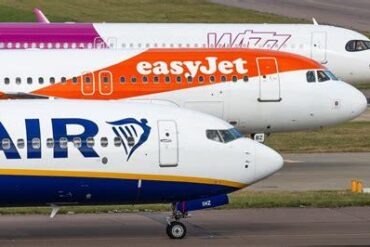
As the cargo network stabilizes, attention will shift to low-cost carrier integration. By targeting airlines like Ryanair and easyJet — two titans of Europe’s budget travel scene — Manston’s management hopes to draw significant leisure traffic. The airport is betting on a post-pandemic appetite for cheaper, more accessible flights, particularly among regional travelers who want to avoid the stress and expense of major London airports.
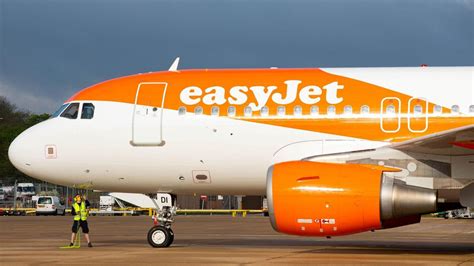
Ryanair and easyJet: Strategic Partnerships in the Making
Manston’s efforts to engage Ryanair and easyJet are more than symbolic. These carriers dominate short-haul European routes, serving dozens of cities across the continent. By adding Manston to their portfolios, these airlines could expand access to destinations like Barcelona, Milan, Berlin, and Lisbon from Kent — all at competitive prices.
Given the increased demand for regional accessibility and the mounting congestion at Heathrow and Gatwick, this new route offering could provide a much-needed alternative. For the airlines, it’s a win-win: lower operating costs, shorter turnaround times, and access to an underserved customer base.
For passengers in Kent, Sussex, and nearby counties, this could represent a seismic shift in travel planning. Instead of trekking to London for a flight, locals could save time, money, and hassle by departing from an airport practically in their backyard.
Reviving the Local Economy Through Aviation
Beyond passenger benefits, the reopening of Manston Airport is projected to stimulate regional economic growth. With construction already underway and the potential influx of jobs in both logistics and tourism sectors, the Thanet District is poised to see a ripple effect in housing, retail, and hospitality industries.
According to regional analysts, the airport could create hundreds of new jobs over the next five years — from ground staff and air traffic controllers to retail workers and transportation service providers. Furthermore, increased air traffic is expected to bolster tourism, especially as easier European access draws more inbound visitors to southeast England’s picturesque coastlines and historical landmarks.
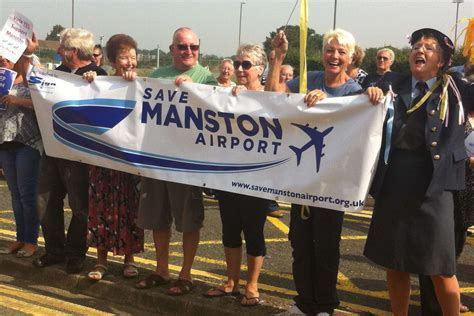
Overcoming Past Challenges with a Future-Focused Vision
Manston’s history isn’t without turbulence. Its previous closure was the result of financial strain and dwindling passenger numbers, raising questions about the sustainability of regional airports in the UK. However, current market conditions — including budget airline dominance, evolving traveler habits, and advancements in airport technology — offer a far more supportive environment for a successful relaunch.
Freudmann and RiverOak’s team are learning from the past. Instead of launching passenger services blindly, they’re rolling out a methodical, phased approach. First comes revenue-generating cargo. Then, after key infrastructure and partnerships are in place, short-haul flights. This mitigates risk and demonstrates commitment to long-term growth.
The key difference today is market alignment. Regional airports are increasingly favored by budget airlines due to lower fees and faster boarding processes. By tapping into this trend, Manston Airport positions itself as a leaner, more agile alternative to bloated legacy terminals.
Timeline to Takeoff: What Happens Next
The airport’s redevelopment is set to continue through 2026 and 2027, with final inspections and certifications expected in early 2028. As construction milestones are met, RiverOak will finalize negotiations with airlines and launch regional marketing campaigns to boost awareness and engagement.
Local authorities are also collaborating on infrastructure improvements, including road access, public transport links, and terminal connectivity. These enhancements are critical in making the airport accessible and functional not just for air cargo companies, but for the thousands of passengers expected to pass through the terminals annually.
Industry insiders believe that Manston’s passenger services could realistically launch by mid to late 2028, assuming regulatory hurdles are cleared and initial airline agreements are signed. Flights would most likely begin with a select set of popular European cities, with route expansion contingent on early performance.

Regional Connectivity and Environmental Strategy
In an age where environmental responsibility is paramount, RiverOak Strategic Partners has emphasized sustainable development in their blueprint. The new terminal is expected to incorporate energy-efficient technologies, waste reduction systems, and eco-conscious materials. The team is also studying the possibility of integrating sustainable aviation fuel (SAF) systems in the future.
Moreover, the reintroduction of a local airport could help reduce road traffic and emissions caused by lengthy drives to Heathrow and Gatwick. By providing regional air travel options closer to home, Manston can play a role in minimizing the environmental footprint of domestic transit.
A New Era for Kent’s Air Travel Landscape
Manston Airport’s rebirth is no mere nostalgia project. It is a strategic reinvestment in both aviation infrastructure and the economic health of southeast England. With a clear roadmap, committed leadership, and growing demand for affordable travel, Manston could emerge as a crucial piece in the UK’s post-Brexit, post-pandemic transport puzzle.
From its roots as a wartime airfield to its future as a budget-travel hub, Manston Airport is writing a new chapter — one that offers travelers, carriers, and communities alike a unique and timely opportunity to fly further, spend less, and stay local.