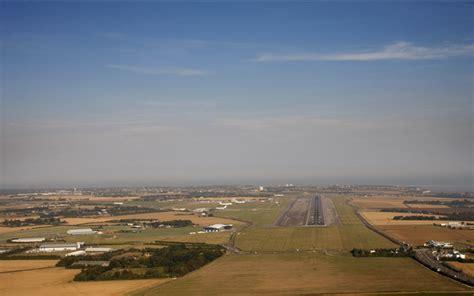
Manston Airport, once a pivotal hub in Kent’s aviation landscape, is poised for a transformational revival that aligns with the increasing demand for air travel and the need for sustainable aviation solutions. As the world emerges from the constraints of the pandemic, travel demand is surging, particularly for destinations like the Netherlands, Spain, Malta, and Cyprus—key markets identified for their potential to fill connectivity gaps and support environmental goals. This article explores the strategic focus driving the airport’s resurgence, its historical significance, and the implications for regional growth and sustainability.
After years of dormancy, Manston Airport is preparing to re-establish itself as a modern cargo and passenger gateway, with plans for a £500 million redevelopment that aims for a grand reopening in 2028. This ambitious project will breathe new life into the site, which has remained silent since its operations ceased in 2014. The transformation involves significant upgrades to infrastructure, aimed at ensuring the airport meets contemporary aviation standards while addressing the pressing needs of both cargo and passenger services.
Historical Context and Future Outlook
The origins of Manston Airport date back to the early 20th century, when it was designed to handle large aircraft, including military planes and even the Concorde. Its vast 2,748-meter runway has always offered substantial capacity; however, a series of commercial challenges led to its closure nearly a decade ago. The revival plan strategically positions the airport to capitalize on its previous strengths while adapting to modern requirements.
With a dual focus on freight operations and passenger flights, the airport aims to establish itself as a crucial player in the aviation market. Initial efforts will prioritize air cargo operations, introducing five daily freight flights to generate revenue and validate the airport’s operational viability. This foundational step is critical in building a sustainable economic framework that will support future growth in passenger services.
Target Markets: Netherlands, Spain, Malta, and Cyprus
The decision to focus on the Netherlands, Spain, Malta, and Cyprus is driven by several factors, including rising travel demand and the current under-served status of these routes from the UK. Each destination presents unique opportunities:
- Netherlands: Known for its vibrant cities and business hubs, the Netherlands is a popular destination for both leisure and corporate travelers.
- Spain: A perennial favorite for holidaymakers, Spain offers diverse attractions from cultural landmarks to sunny beaches, making it a critical market for leisure flights.
- Malta: With its historical sites and Mediterranean charm, Malta is increasingly attracting tourists and expatriates, creating demand for direct flights.
- Cyprus: This island nation is seeing a surge in interest from both tourists and those seeking relocation, further expanding the need for regular flight connections.
By connecting these key markets, Manston Airport aims to not only revitalize its passenger offerings but also fulfill the growing appetite for sustainable travel options. The airport’s strategic focus aligns perfectly with the increasing consumer preference for environmentally friendly travel solutions, placing it at the forefront of the green aviation movement.

Infrastructure Development and Sustainability Initiatives
To accommodate the anticipated increase in traffic and to improve operational efficiency, a comprehensive master plan is being developed. This plan encompasses various enhancements, including:
- Upgrades to the existing runway to ensure it meets modern safety and operational standards.
- Construction of new terminal facilities designed for improved passenger experience and operational efficiency.
- Expansion of cargo handling zones to support increased freight operations.
- Implementation of advanced air traffic systems to optimize flight scheduling and reduce delays.
Environmental sustainability is a cornerstone of the redevelopment strategy. The airport is committed to adopting green technologies and practices that minimize its carbon footprint. This includes:
- Utilizing energy-efficient systems in terminal design.
- Implementing sustainable waste management practices.
- Exploring partnerships with eco-conscious airlines that prioritize low-emission flights.
By integrating these sustainable practices into its operations, Manston Airport not only addresses environmental concerns but also positions itself as a leader in the aviation industry’s shift towards sustainability.
Economic Impact and Job Creation
The revival of Manston Airport is expected to have significant economic repercussions for Kent and the wider Southeast England region. With projections indicating the creation of up to 650 construction jobs during the build-out phase, the project promises immediate employment opportunities. Once fully operational, the airport could generate an estimated 2,000 permanent roles across various sectors, including aviation, logistics, retail, and services.
Private investment plays a crucial role in this transformation, with international investors committing approximately £800 million to support the airport’s rebirth. Notably, the project is not reliant on government funding, highlighting the confidence that investors have in the airport’s potential to revitalize the local economy. The influx of capital is expected to drive regional regeneration, create job opportunities, and enhance long-term infrastructure in one of the UK’s historically underdeveloped areas.
Community Engagement and Challenges Ahead
While the prospect of revitalizing Manston Airport is met with enthusiasm by many, it has also sparked public debate and faced legal challenges. Environmental groups, community coalitions, and transport policy observers have raised concerns about potential issues, including noise pollution, carbon emissions, and traffic congestion that may accompany increased aviation activity.
Critics argue that past commercial operations failed due to structural reasons and that restarting them could lead to similar outcomes. However, proponents of the project emphasize the airport’s strategic advantages, citing the growing demand for aviation services, the burden on nearby airports like Luton and Stansted, and the need for expanded cargo handling capabilities. They contend that Manston’s existing infrastructure and location offer logistical benefits that few other sites can provide.
As development progresses, community engagement sessions will be held to discuss proposed flight routes and their potential impact on surrounding neighborhoods. This dialogue aims to ensure that the needs and concerns of local residents are addressed, fostering a collaborative approach to the airport’s revival.
Conclusion: A New Chapter for Manston Airport
Manston Airport stands on the brink of a significant resurgence, with its strategic focus on connecting the Netherlands, Spain, Malta, and Cyprus poised to meet rising travel demand while supporting sustainable aviation growth. As the airport prepares to reopen its doors, it is set to reclaim its place as a vital gateway for both cargo and passenger travel, transforming the economic landscape of Southeast England.
In the coming years, the airport’s development will be closely watched as it embarks on this ambitious journey toward modernization and sustainability. With a strong emphasis on community engagement and environmental responsibility, Manston Airport is ready to take to the skies once more, heralding a new era of connectivity and opportunity for Kent and beyond.