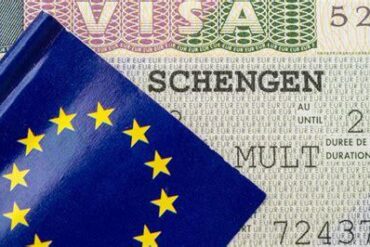
The political landscape in Europe is witnessing a significant shift as Germany, Italy, the Netherlands, Spain, the Czech Republic, Denmark, and twenty-one other countries in the European Union are uniting to threaten the suspension of Israel’s Schengen visa-free travel access. This move is not merely procedural; it represents a fundamental change in how the EU approaches international travel rights, especially amid rising geopolitical tensions. The urgency of this situation cannot be overstated, as it challenges the very fabric of travel norms established for Israeli citizens.
The Triggering Events Behind the Suspension Threat
Recent escalations in Gaza and military operations involving Iran have intensified scrutiny on Israel’s actions, prompting the EU to reconsider its visa policies. Historically, the EU has been reticent to impose such measures, making this collective stance a rare occurrence. The underlying motivations stem from concerns over humanitarian violations and adherence to international law, which have come into sharper focus against the backdrop of ongoing conflicts.
As international observers and human rights organizations voice their apprehensions regarding alleged war crimes and violations of humanitarian principles, the EU appears poised to leverage its visa policy as a diplomatic tool. By threatening to suspend Israel’s access to visa-free travel, the EU sends a clear message that adherence to international norms is paramount.

The Legal Framework of the Proposed Changes
The EU’s recent updates to its visa policy framework provide a robust mechanism for enforcing temporary suspensions of visa-free access for non-EU countries that violate core international principles. Under these new regulations, the European Commission now has enhanced powers to initiate a suspension of visa-free entry, which can be activated with the agreement of member states without requiring full parliamentary approval. This development could mark only the second time in EU history that a nation has been removed from the Schengen visa-exempt list, the first being the Republic of Vanuatu due to concerns related to its citizenship-by-investment program.
Implications for Israeli Travelers
Currently, Israeli passport holders enjoy visa-free access to all 27 Schengen states for stays of up to 90 days within any 180-day period. This privilege facilitates tourism, business travel, and family reunification, contributing significantly to the economic landscape of both Israel and the EU. However, if Israel is suspended from this list, Israeli nationals would be required to apply for a Schengen visa before traveling—an often cumbersome and costly process fraught with bureaucratic hurdles, including documentation, embassy appointments, and potential rejections.
The immediate fallout from such a decision would be profound. As travelers from Israel prepare to head to popular destinations like France, Germany, Spain, Italy, and the Netherlands, they may find themselves navigating a complex visa application system that could disrupt travel plans and diminish the ease of access that has long characterized their journeys to Europe.
Economic Impact on the Tourism Sector
The potential suspension of Israel’s visa-free status poses a serious threat to the European tourism industry, which has historically welcomed a significant number of Israeli visitors. In 2023 alone, over 1.2 million Israelis traveled to EU countries for leisure and business purposes. Popular destinations, reliant on a steady influx of Israeli tourists, could see immediate declines in visitor numbers, adversely impacting local economies.
Airlines, travel agencies, and tour operators would likely experience significant disruptions, as the uncertainty surrounding travel requirements would lead to decreased bookings and heightened anxiety among travelers. Hotel occupancy rates and local retail businesses that depend on tourist spending may also suffer, leading to broader economic ramifications across the EU.
Geopolitical Ramifications of the Decision
This situation extends beyond the realm of travel; it represents a pivotal moment in the geopolitical relationship between Israel and Europe. The EU’s potential recalibration of its visa policy serves as a powerful signal to the international community that access to European markets and cultural spaces may soon be contingent upon compliance with global norms and principles. Critics of this approach may label it as political overreach, while advocates will argue that it reflects a necessary commitment to human rights and humanitarian standards.
Should the EU move forward with this suspension, it could embolden other international organizations to reassess their relationships with Israel, potentially leading to a cascade of diplomatic repercussions that extend far beyond the immediate issue of travel access.
The Procedural Pathway to Suspension
The process by which this suspension could be enacted is relatively straightforward yet carries considerable weight. The European Commission can initiate the suspension through an implementing act, which requires consent from member states. This action can be executed rapidly, potentially within weeks. However, extending the suspension beyond one year would necessitate a more complex delegated act, subject to greater scrutiny and potential blocking by the European Council or the European Parliament. Importantly, individual member states have the authority to trigger this mechanism, allowing for political advocacy from within the EU.
Broader Implications for Other Visa-Exempt Nations
While Israel currently finds itself under intense scrutiny, this new policy framework introduces a precedent that could affect other nations enjoying visa-exempt status. With over 60 countries included in the current list—such as the United States, Canada, Japan, and Australia—governments around the world may now need to reevaluate their diplomatic and military conduct to safeguard their travel privileges. This shift toward active enforcement of foreign policy through mobility rights highlights a growing trend in which access to Europe becomes a matter of compliance with ethical standards.
Conclusion: A New Era of Travel and Diplomacy
As the proposal for Israel’s potential suspension from the Schengen visa-free travel list awaits formal ratification by the European Parliament and Council, the political momentum is undeniably building. Observers anticipate vigorous debates within EU institutions, reflecting a wide range of perspectives on how best to balance ethical considerations with diplomatic relationships.
Regardless of the outcome, one thing remains clear: the Schengen zone is evolving from a geographic privilege into a tool of political leverage. This evolution will undoubtedly reshape diplomatic relations, alter travel flows, and provoke critical discussions about justice, access, and accountability on the international stage. As Europe redefines its role in global affairs, travelers, industry leaders, and policymakers must prepare for a future where travel rights are no longer taken for granted but are earned through adherence to shared values and norms.