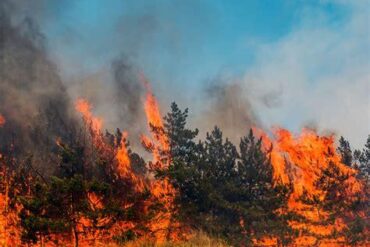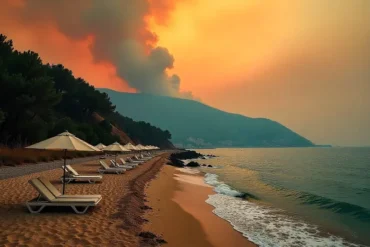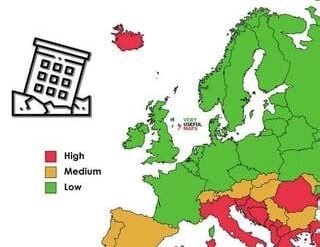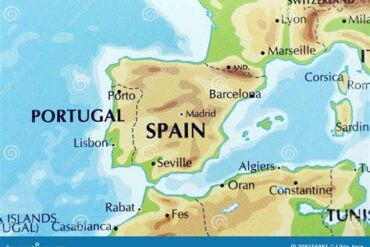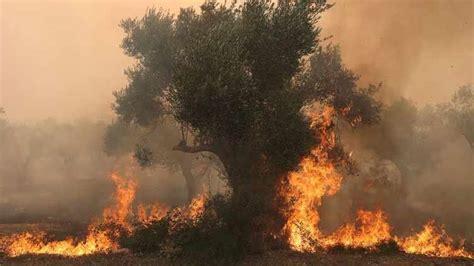
Across Europe, wildfires are intensifying as a scorching heatwave takes hold, affecting some of the region’s most popular travel destinations. From Greece to Portugal, Spain, and Turkey, firefighters are battling to control wildfires that threaten both lives and properties. With temperatures soaring well over 40°C, the risk of wildfires has never been higher. Tourists flocking to these areas for summer vacations are facing unprecedented challenges as blazing heat and dangerous wildfires create a hazardous environment. Here’s what’s happening in the regions hardest hit by the flames.
As Europe swelters under a relentless heat dome, wildfires have flared up in countries beloved by holidaymakers. With temperatures approaching an alarming 47°C in Spain, Italy has seen road surfaces melting, and Portugal, Turkey, and Greece are grappling with blistering heat and flames. The high-risk conditions are exacerbated by strong winds, which help spread the fires more rapidly. Greece has been especially hard-hit by these wildfires, with intense blazes sweeping across several areas, including Athens. On June 22, a particularly fierce fire near Palaia Fokaia, south of Athens, forced evacuations and prompted the deployment of over 130 firefighters. Greek authorities also mobilized aircraft and helicopters to fight the blaze from above, aided by ground operations. The Greek coast guard prepared to assist in evacuation efforts, standing by with several patrol boats and private vessels.
Spain is bracing for even higher temperatures as wildfires have already erupted in several regions. Talavera de la Reina, located in central Spain, witnessed a forest fire that created a column of smoke visible from the city. Emergency responders have been working tirelessly to contain the flames. Meanwhile, the Canary Islands have issued warnings for Gran Canaria due to escalating wildfire risks. In Portugal, wildfires have already caused significant damage, with over 137,000 hectares destroyed in 2024. The Canary Islands and parts of southern Spain face serious risks as the heat continues. In Portugal, the fire risk is further heightened by 40°C temperatures forecasted for the weekend. With the country’s fire season in full swing, officials are on high alert, urging residents and travelers to exercise caution.
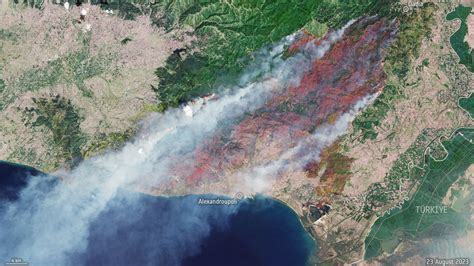
Turkey has also seen a sharp increase in wildfire activity. Eight provinces in the western part of the country were affected by blazes earlier this week. Many of these areas are popular among European tourists, especially in the Mediterranean region. Bursa, a city in northwestern Turkey, saw the most dangerous blaze spread from forests to residential zones, creating an urgent situation for authorities. While France has not yet experienced major wildfires this summer, the country remains on high alert. The Bouches-du-Rhône region is currently under orange alert, and Alpes-de-Haute-Provence and Vaucluse are on yellow alert, with extreme heat expected to continue. Strong winds in these areas could make fire control even more challenging if a blaze occurs.
For tourists, the ongoing wildfires and heatwaves are creating a high-risk environment. Airports and tourist destinations across Greece, Spain, and Turkey have faced disruptions, including flight delays and transportation issues caused by the fires and the heat. Local businesses are struggling with declining tourist numbers due to the hazardous conditions. In regions like Santorini, known for its stunning beauty, the heat and fire risks are making it a less appealing destination for those seeking a peaceful getaway. The wildfire threat is not only putting lives at risk but is also impacting local economies that depend on tourism.
If you are traveling in regions impacted by the wildfires and heat, it’s essential to stay informed and prepared. Here are some tips to ensure your safety:
- Stay Updated: Follow local news and government advisories for the latest information on wildfire risks and heatwaves.
- Avoid Risky Areas: If you’re staying near affected regions, avoid outdoor activities, especially during the hottest part of the day (12 PM – 4 PM).
- Have an Emergency Plan: Be aware of evacuation routes and emergency contact numbers. Keep your phone charged and have essential items, including water and medications, on hand.
- Air Quality: Stay indoors if you have respiratory issues or if smoke from nearby fires makes the air quality unsafe.
- Monitor Flight Status: Be prepared for possible delays or cancellations if you’re traveling by air, particularly to airports near wildfire-affected areas.
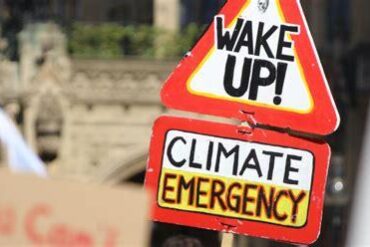
This summer’s heatwave and the associated wildfires bring into focus the importance of sustainable tourism practices. While wildfires and extreme weather are partly natural, human-induced climate change is making these events more frequent and severe. It’s time to rethink travel and its impact on the environment, especially in sensitive regions like southern Europe. As travelers, we must prioritize responsible practices, reduce our carbon footprint, and support sustainable destinations that are working to preserve their natural beauty.
Europe is experiencing a summer of extreme heatwaves and wildfires that threaten both people and the environment. As tourism rises, so does the strain on destinations already struggling with climate-related risks. While there are many factors at play, the ongoing crisis emphasizes the urgent need for environmental stewardship and sustainable travel. If you’re planning a trip to these affected areas, be prepared for disruptions and prioritize your safety, knowing that the landscape of European tourism may change in the coming years as countries adjust to these new challenges.