As summer approaches, Australia’s Smart Traveller has issued an urgent travel advisory for Australians considering a trip to Greece. With the country facing increasingly severe heatwaves, devastating wildfires, and rising instances of petty crime, potential tourists are being urged to weigh these risks carefully against the allure of Greece’s stunning landscapes and rich history. This advisory comes as reports indicate that extreme weather conditions are becoming a more pronounced reality in Greece during the summer months.
The advisory emphasizes that wildfires pose a significant threat between June and September, particularly in regions near major cities like Athens and Rhodes. These fires can ignite with alarming speed and often necessitate large-scale evacuations. Tourists are strongly advised to remain vigilant and avoid affected areas, adhere to local evacuation orders, and keep abreast of emergency alerts. Greece’s breathtaking scenery, which draws millions of visitors each year, is overshadowed by the reality of these natural disasters, making awareness and preparation crucial for safe travel.
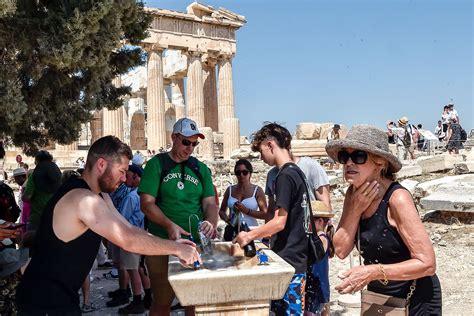
In addition to wildfires, heatwaves in Greece have become increasingly intense, with temperatures regularly exceeding 40°C (104°F). This scorching heat can lead to serious health risks, particularly for those who are not accustomed to such high temperatures. Tourists are advised to take several precautions, including:
- Staying well-hydrated by drinking plenty of water.
- Wearing light and breathable clothing to cope with the heat.
- Avoiding sun exposure during peak hours, typically between 11 AM and 4 PM.
- Seeking shelter in shaded or air-conditioned areas whenever possible.
The advisory also highlights that while Greece remains at an overall level of ‘exercise normal safety precautions,’ the seasonal hazards of wildfires, extreme heat, and even seismic activity should be considered part of the summer experience. Tourists must be prepared for unexpected situations, and staying informed at all times is paramount.
Beyond natural dangers, the advisory warns of the risk of petty crime, which is prevalent in crowded tourist areas and on public transportation. Incidents of pickpocketing and bag-snatching are common, especially in popular destinations where tourists may let their guard down. To mitigate the risk of theft, visitors should remain vigilant, keep valuables close, and utilize anti-theft bags or pouches.
Additionally, tourists should exercise caution regarding their food and drink consumption. There have been reports of drink spiking in some areas, making it essential to consume food and beverages only in reputable establishments. Being aware of one’s surroundings and maintaining a cautious approach to social interactions can greatly reduce the likelihood of falling victim to such crimes.
The Smart Traveller advisory also notes the potential for strikes, protests, and demonstrations, which could disrupt travel plans. While many of these events are peaceful, they can escalate unexpectedly and pose a danger to uninformed tourists. Therefore, it is critical for travelers to stay updated on local news and to be ready to alter their plans if necessary. The possibility of seismic activity—including earthquakes and volcanic tremors—is another factor to consider, especially when visiting seismic zones like the islands of Crete and Santorini.
For those planning to bring medication into Greece, it is essential to comply with local laws. Certain medications, such as codeine, require a prescription and a doctor’s letter due to restrictions under Greek law. Tourists are encouraged to check their vaccination records before traveling, especially since diseases like measles remain relatively common in Greece. Taking these precautions can ensure a smoother travel experience and prevent unnecessary complications.
While the standard of private medical care in Greece is generally good, the advisory warns that public hospitals often face shortages of supplies and may rely heavily on family support for non-urgent care. Visitors should consider this when evaluating their medical care options during their stay, particularly if they have pre-existing health conditions or require regular medication.
In summary, the Smart Traveller advisory serves as a critical reminder for Australian travelers to Greece to remain cautious and prepared for various natural and social risks. By staying informed and adhering to safety guidelines, tourists can significantly enhance their chances of having a safe and enjoyable vacation. Ultimately, while Greece remains an enchanting destination, it is essential for travelers to balance their desire for adventure with a prudent approach to safety and preparedness.
In conclusion, as you plan your trip to Greece, remember that while the beauty and charm of the country are undeniable, understanding the current risks and taking appropriate measures can make all the difference in ensuring a memorable and safe experience.