As tensions in the Middle East reach a boiling point, the Australian government has taken decisive action by issuing a powerful travel warning for its citizens. This advisory primarily targets two key regions: Qatar and Israel, where escalating conflict has raised serious concerns about the safety of travelers. The Department of Foreign Affairs and Trade (DFAT) has emphasized the importance of vigilance and preparedness for those traveling through or to these areas, as the situation continues to deteriorate.
In recent weeks, the Middle East has witnessed a surge in violence and unrest, prompting the Australian authorities to elevate their travel advisory for Qatar from Level 1, which merely suggested standard safety awareness, to Level 2. This change indicates that travelers are now urged to exercise a high degree of caution due to an increased risk of conflict and disruption. The advisory warns that travelers transiting through Qatar, especially via its capital Doha, should remain alert to their surroundings and avoid large gatherings, as local security conditions may shift unexpectedly.
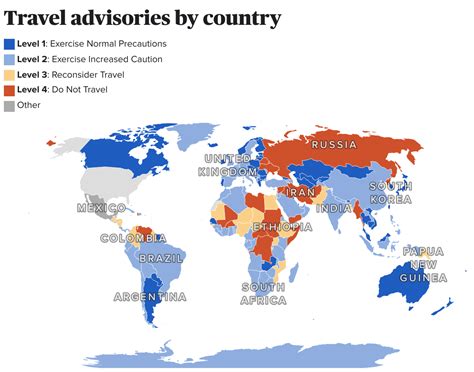
The revised advisory highlights several critical risks associated with travel in this volatile region. Travelers may encounter airspace restrictions, flight disruptions, and unexpected schedule changes. With the potential for civil unrest and demonstrations to escalate rapidly, the Australian government strongly encourages individuals passing through these transit hubs to be adaptable and well-prepared for sudden changes. It is essential for travelers to stay informed through official government travel platforms and to monitor airline updates regularly.
The advisory for Qatar signals a broader concern regarding regional instability, particularly given the interconnected nature of conflicts in the Middle East. As tensions rise, travelers are urged to conduct thorough research before embarking on their journeys. While the advisory does not outright discourage travel, it emphasizes the necessity of remaining vigilant and adopting enhanced safety measures throughout the trip.
For those considering travel to Israel, the situation is equally dire. Earlier this week, Australia’s DFAT escalated its travel advisory for Israel to Level 4, the highest level of warning, which advises against all travel to the country. This decision follows a series of alarming developments, including armed conflict, civil unrest, and persistent threats of terrorism, particularly in light of military actions involving Iran that have raised fears of retaliatory strikes against Israel.
The heightened advisory reflects the national state of emergency declared in Israel, as authorities grapple with the increasing likelihood of violence. Travelers are warned to avoid major cities, including Tel Aviv and Jerusalem, as the security environment remains highly unstable. Reports indicate that incidents such as rocket attacks and drone activity could occur suddenly and without warning, creating a perilous situation for anyone in the area.
As part of this heightened advisory, travelers are also cautioned against visiting the West Bank and Gaza Strip, where ongoing threats of terrorism and civil unrest pose significant risks. In Gaza, which is controlled by Hamas, the advisory outlines severe precautions that travelers should consider, such as preparing a will and gathering sufficient supplies to last for an extended period. The likelihood of border crossings being closed without notice adds another layer of uncertainty for those contemplating travel to this region.
In response to the evolving situation, airlines operating in the region are taking precautionary measures. Virgin Australia, which has recently launched direct flights from Sydney and Brisbane to Doha, has confirmed that its services remain unaffected for now. However, should conditions necessitate adjustments, both Virgin Australia and Qatar Airways are committed to coordinating safe travel alternatives and keeping passengers updated on any changes to their itineraries. Currently, Qatar Airways has suspended flights to several destinations across the Middle East, including routes to Iran, Iraq, and Syria, while maintaining operations to and from Doha.
The urgency of the situation is underscored by similar actions taken by other nations. The United States has also raised its travel warning for Israel to Level 4, citing risks related to armed conflict and widespread civil unrest. This move highlights the international community’s growing concern over the safety of travelers in this increasingly volatile region.
Travelers are urged to enhance their personal safety measures, staying alert to their surroundings and avoiding areas known for unrest. Official updates from government sources and trusted news outlets are vital for staying informed about the rapidly changing security landscape. The situation in the Middle East remains fluid, with the potential for further escalations that could impact travel plans and personal safety.
As travelers prepare for journeys through or to the Middle East, they must prioritize their safety and well-being. The Australian government’s travel advisory serves as a crucial reminder of the importance of being informed, adaptable, and vigilant in the face of rising tensions and uncertainty. By staying connected to reliable information sources and following safety protocols, travelers can navigate these complex circumstances more effectively, ensuring a safer journey amidst the unrest.