Australia’s travel advisory landscape has recently expanded, highlighting the urgent need for heightened caution among tourists planning to visit several nations, including Thailand, the United Arab Emirates (UAE), Mexico, Sri Lanka, the United Kingdom (UK), and India. The Australian government is responding to a troubling surge in security threats, encompassing escalating crime rates, political turmoil, and the looming specter of civil unrest in these regions. This advisory serves not only as a precautionary measure but also as an essential guide for Australians who wish to travel safely abroad.
Thailand: A Nation in Flux
In Thailand, security concerns are at an all-time high, with ongoing political protests and a marked increase in criminal activities. Popular tourist hotspots, particularly in areas like Phuket and Bangkok, have become venues for public demonstrations, which can swiftly escalate into violent confrontations. Recent incidents, such as the discovery of explosive devices near Phuket International Airport, have intensified fears surrounding traveler safety. The Thai government has responded by implementing stringent security measures, advising travelers to arrive at airports well in advance due to heightened security checks. Tourists are cautioned to remain vigilant in crowded spaces, including markets and nightlife districts, where the risk of drink spiking and petty crime is notably elevated. To mitigate risks, travelers should avoid leaving food or drinks unattended and should stay close to trusted companions in bars and clubs.

United Arab Emirates: Geopolitical Tensions on the Rise
The UAE, a critical hub for international travel, is facing its own set of challenges. Australia’s travel advisory emphasizes the threat of terrorism and potential regional conflict, given the current geopolitical climate in the Middle East. While the UAE boasts a reputation for being relatively safe for tourists, the advisory warns that political instability could lead to unexpected disruptions, such as flight cancellations and airspace closures. Travelers are urged to stay informed about regional tensions and adhere strictly to local authorities’ guidance. As visitors navigate through major airports like Abu Dhabi and Dubai, they should remain aware of potential security disruptions and be prepared for possible delays.
Mexico: A High-Risk Environment for Tourists
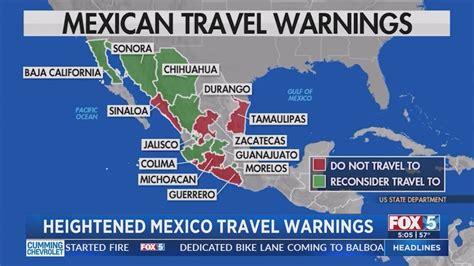
In Mexico, the situation has become increasingly precarious, particularly in states known for gang violence and organized crime. Areas such as Chihuahua, Sinaloa, Guanajuato, Sonora, Colima, and Chiapas have seen a spike in criminal activities that pose severe threats to tourists. The Australian government recommends reconsidering any non-essential travel to these high-risk states. Tourists are advised to utilize major toll roads or opt for direct flights to larger cities, thereby avoiding regions fraught with danger. Furthermore, the advisory underscores the importance of traveling during daylight hours and remaining within well-populated urban areas. New regulations, including the FMM (Multiple Immigration Form), require travelers to complete this form online prior to arrival to facilitate smoother entry into the country.
Sri Lanka: Navigating Political Instability
Australia’s travel advisory for Sri Lanka highlights ongoing civil unrest and political demonstrations that could escalate into violence. While the nation is celebrated for its rich cultural heritage and stunning landscapes, the current climate necessitates caution. The advisory encourages travelers to monitor local media closely and steer clear of protest zones. An Electronic Travel Authorization (ETA) is required for entry into Sri Lanka, which should be arranged in advance, as facilities for obtaining an ETA upon arrival at Bandaranaike International Airport are limited. Visitors must remain vigilant, particularly in densely populated urban areas, where spontaneous protests may occur.
United Kingdom: A Landscape of Crime and Terrorism
The UK has been added to Australia’s travel advisory list due to a convergence of rising crime rates and terrorist threats, particularly in urban centers. Major cities, including London, have reported increased incidents of petty crime, such as pickpocketing and bag snatching, making it imperative for travelers to exercise heightened vigilance. The threat of terrorism remains a concern, urging tourists to be especially cautious in crowded spaces, public transport hubs, and during significant events. Following local authorities’ safety instructions and remaining alert to their surroundings can significantly mitigate risks while traveling in the UK.
India: A Complex Security Landscape
India continues to present a challenging environment for travelers, especially in regions bordering Pakistan, such as Jammu and Kashmir, which are classified as high-risk zones. Despite recent ceasefires offering temporary relief, the region remains volatile, and security threats persist. The Australian advisory stresses that travelers should avoid Jammu and Kashmir, as well as other identified high-risk areas. Increased security measures at airports in northern and western India necessitate planning for longer wait times. Additionally, travelers should stay updated on flight statuses and security changes, especially given recent border crossing closures, which may affect cross-border travel plans. It is crucial for visitors to heed local authorities’ advice and stay informed through official government channels.
Conclusion: Prioritizing Safety Amid Global Uncertainty
Australia’s latest travel advisory serves as a critical reminder for Australians considering travel to Thailand, the UAE, Mexico, Sri Lanka, the UK, and India. With rising crime rates, political instability, and threats of civil unrest and terrorism, tourists are strongly urged to remain vigilant and make informed decisions regarding their travel plans. By exercising caution, adhering to safety advisories, and staying informed about the latest developments, Australians can better navigate the complexities of international travel in these regions. Awareness and preparedness are key to ensuring a safer travel experience in today’s unpredictable global landscape.