Bali, a picturesque island renowned for its breathtaking landscapes, vibrant culture, and profound spiritual significance, continues to attract millions of tourists each year. Recently hailed as Asia’s most beautiful island, Bali’s tourism boom has unfortunately brought along a surge in criminal activities. Industry stakeholders are voicing concerns over the alarming rise of organized crime syndicates and how the influx of visitors is facilitating their growth. With law enforcement struggling to maintain order, the very foundation of Bali’s tourism model is now being scrutinized.
Rising Crime Statistics: The Foreign Factor
One of the most troubling aspects of Bali’s recent tourism surge is the notable increase in crimes involving foreign nationals. According to the Bali Police, incidents related to foreign tourists surged from 194 cases in 2023 to 226 cases in 2024. This stark rise underscores a disturbing trend where tourists, particularly those on long-term, budget-friendly stays, are becoming both perpetrators and victims of crime. This increase is not isolated; it forms part of a broader pattern where foreign nationals are increasingly implicated in drug trafficking, scams, cybercrimes, and violent incidents—most notably highlighted by the recent shooting of two Australians in Munggu village, Badung District.
A Breeding Ground for Organized Crime Syndicates
The spike in foreign-related crimes can be linked to several factors, prominently the rapid proliferation of illegal accommodations. Many tourists seeking affordable lodging turn to unregulated homestays and informal housing options that often lack oversight, thus creating a fertile ground for organized crime networks to thrive. Criminal enterprises, especially those engaged in drug trafficking, human trafficking, and cybercrimes, have capitalized on the lax enforcement of local laws. Bali has become an attractive destination for transnational criminal syndicates due to its immense popularity and somewhat relaxed regulatory environment. These groups are often sophisticated, employing modern technologies such as cryptocurrencies, encrypted communications, and dark web platforms to conduct their operations with relative ease.
The National Narcotics Agency (BNN) of Indonesia has reported an alarming presence of international criminal organizations, particularly those hailing from Russia and Ukraine, who have established operations in Bali under the guise of tourism. The island’s burgeoning reputation as a haven for digital nomads and long-term tourists has inadvertently provided a perfect cover for these illicit activities to flourish.

Impact on Local Communities: Straining Resources and Culture
The rapid expansion of tourism in Bali is exerting significant pressure not just on law enforcement but also on local communities. Residents have voiced growing concerns regarding the adverse effects of mass tourism, which include the degradation of cultural heritage and overwhelming strain on natural resources. The rise of illegal accommodations, particularly in tourist hotspots like Canggu and Ubud, has contributed to increased congestion and infrastructure challenges. While tourism generates substantial revenue, much of this wealth flows into the coffers of foreign investors and large operators, leaving local businesses at a disadvantage.
The economic benefits of tourism are increasingly skewed, leading to heightened tensions between tourists and locals. Many Balinese residents feel a sense of loss regarding their cultural identity, perceiving that their island is being exploited for profit without any consideration for the long-term impacts. There is a growing sentiment that the charm and allure of Bali are being overshadowed by an unchecked tourism model that prioritizes quantity over quality.
Government Response: Strengthening Law Enforcement and Regulation
In light of the escalating crime rates, the Indonesian government and local authorities in Bali are implementing measures to combat the rising tide of crime and regulate tourism growth. The Bali Police have ramped up surveillance and security protocols in high-traffic areas frequented by tourists. Specialized units dedicated to addressing cybercrime, narcotics, and human trafficking have been formed to enhance the fight against organized crime. Furthermore, local law enforcement agencies are collaborating closely with international counterparts to monitor the transnational crime networks operating on the island.
In addition to bolstering law enforcement, the government is also focused on tightening regulations surrounding illegal accommodations. New policies have been instituted to limit the proliferation of unregistered homestays, ensuring that only accredited establishments are permitted to operate. Owners of illegal properties now face fines and penalties, while stricter zoning laws are being enforced to prevent further unregulated developments. However, experts caution that without a shift towards sustainable tourism, these interventions may merely treat the symptoms rather than address the root causes of the problem.
The urgency for a comprehensive tourism strategy that emphasizes quality over quantity has never been more critical. Sustainable tourism, which harmonizes environmental preservation with local community welfare, is essential to mitigate the long-term consequences of mass tourism.
Learning from Other Countries: A Global Challenge
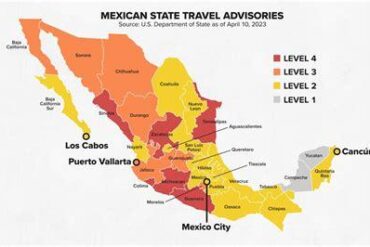
Bali is not alone in grappling with the unintended ramifications of mass tourism. Other popular tourist destinations such as Thailand, the Philippines, and Mexico are facing similar challenges associated with organized crime. In Thailand, for instance, the rapid tourism growth in cities like Phuket and Pattaya has been linked to increases in human trafficking, drug trade, and exploitation of vulnerable populations. Likewise, the Philippines, with sought-after locations like Boracay and Palawan, is witnessing rising instances of exploitation by criminal factions capitalizing on unregulated tourism.
As these regions continue to confront the delicate balance between economic benefits and social responsibility, they too are exploring solutions that promote sustainable and regulated tourism models. The collective experiences of these countries provide valuable insights into the complexities of managing tourism-related challenges in a responsible manner.
Conclusion: A Call for Sustainable Travel
The escalation of organized crime in Bali serves as a stark reminder of the potential perils of mass tourism. As the island struggles to preserve its rich cultural heritage and ensure the safety and well-being of both its inhabitants and visitors, a responsible transition towards sustainable tourism becomes imperative. This transformation necessitates tighter regulations on accommodations, enhanced law enforcement, and a broader initiative to educate both tourists and locals about responsible tourism practices.
For Bali, the pursuit of quality and sustainable tourism is not merely an option; it is a necessity to strike a harmonious balance between tourism growth and ecological integrity. Only through such efforts can Bali safeguard its natural and cultural resources for future generations.