Mexico, a country of extraordinary cultural heritage and breathtaking landscapes, presents a complex safety map shaped by diverse regional dynamics. Understanding where crime is concentrated and where tranquility reigns is essential for travelers seeking both adventure and peace of mind. From crime hotspots plagued by organized crime to safe havens celebrated for their low crime rates, Mexico’s safety landscape reflects both its challenges and its resilience.
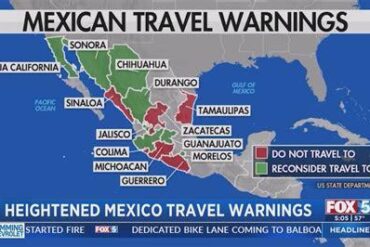
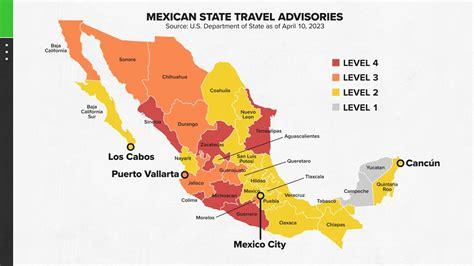
The southern and central states of Colima, Guerrero, Michoacán, Sinaloa, Tamaulipas, and Zacatecas have become synonymous with heightened security concerns. These regions have long grappled with the presence of organized crime syndicates, primarily linked to drug trafficking and territorial disputes. Colima, with a staggering homicide rate of 101 per 100,000 in 2024, exemplifies the extreme end of this crisis. Guerrero and Michoacán, known for their rich traditions and natural beauty, have struggled to contain violence stemming from cartels vying for control. Similarly, Sinaloa — the cradle of one of Mexico’s most infamous cartels — has seen periodic surges in violence, often concentrated in rural areas and zones critical to drug smuggling routes.

Despite these daunting statistics, the reality for most tourists is starkly different. Popular tourist hubs like Cancun, Mexico City, and Los Cabos — although not without incidents — generally maintain robust security measures that shield visitors from the violent undercurrents affecting other parts of the country. It is critical to recognize that most violence in these high-risk states is targeted at rival criminal factions, not at innocent bystanders or foreign visitors.
The media plays an outsized role in shaping perceptions of Mexico’s safety. Dramatic headlines about rare incidents involving tourists tend to eclipse the millions of uneventful and joyful journeys undertaken in the country each year. Just as plane crashes dominate news cycles despite air travel’s overall safety, isolated cases of tourist-related violence can create a misleading image. This distortion often obscures the more nuanced reality: while pockets of Mexico face severe security challenges, vast stretches remain peaceful and welcoming.
Crime Hotspots: Where the Risk is Highest
The states of Colima, Guerrero, Michoacán, Sinaloa, Tamaulipas, and Zacatecas are at the forefront of Mexico’s struggle against organized crime. In Colima’s capital, the spillover of cartel wars has transformed once-bustling markets and neighborhoods into areas marked by fear and economic decline. Guerrero’s coastal towns, though famed for their stunning beaches, have witnessed conflicts that deter investment and tourism development. In Michoacán, criminal groups have clashed over the lucrative avocado trade, turning fertile farmland into battlegrounds.
Sinaloa remains infamous due to its cartel’s global notoriety. Violent episodes in cities like Culiacán often stem from government crackdowns on drug kingpins or internal power struggles within syndicates. Tamaulipas and Zacatecas serve as key corridors for narcotics smuggling to the United States, making them hotspots for territorial disputes that escalate into lethal violence. Travelers are strongly advised to avoid these regions, not because tourists are direct targets, but because the risk of being caught in the crossfire is unacceptably high.
The Safer Side of Mexico: Where Tranquility Prevails
In stark contrast to these troubled states, Yucatán, Tlaxcala, Durango, Chiapas, and Nayarit offer a much calmer experience. The Yucatán Peninsula, with its mesmerizing cenotes and Mayan ruins, is a model of safety. Yucatán state boasts one of the country’s lowest homicide rates — just 8.2 per 100,000 in 2024 — and consistently ranks as Mexico’s most peaceful region. Tourists exploring the colonial charm of Mérida or the ancient city of Uxmal can do so with confidence.

Tlaxcala, though the smallest state, mirrors this stability. Its historical landmarks and vibrant festivals unfold in an environment largely untouched by organized crime. Durango, often overlooked, combines rugged landscapes with low crime rates, offering eco-tourism opportunities that are both thrilling and safe. Chiapas, with its dense rainforests and indigenous heritage, provides an authentic and serene escape for those seeking to connect with nature and history. Meanwhile, Nayarit’s Riviera Nayarit has blossomed into a luxurious coastal retreat where security remains tight and crime rates low.
The Role of Tourism in Security Strategy
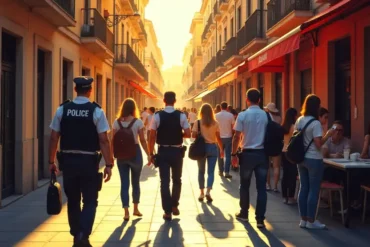
Mexico’s reliance on tourism as an economic engine cannot be overstated. In 2023, tourism generated 4.7 million jobs and billions in revenue, making the protection of visitors a top priority for both government and private stakeholders. Recognizing the importance of this sector, authorities have stationed thousands of troops and federal police officers in and around major tourist destinations. From Cancun’s hotel zone to Puerto Vallarta’s boardwalk, surveillance systems, tourist police, and strict access controls at resorts collectively serve to create a secure environment.
Resorts and hospitality businesses invest heavily in security protocols. Controlled entry points, private security teams, and collaboration with local law enforcement are standard measures. These efforts are bolstered by Mexico’s federal strategy to safeguard its tourism corridors, which contribute significantly to national and regional economies.
Cancun: Between Headlines and Reality
Cancun’s image as a paradise is occasionally marred by reports of violence. Yet, a closer look reveals a far more reassuring picture. While the city’s homicide rate of 64 per 100,000 in 2024 may seem high, context is critical. St. Louis, Missouri, for instance, recorded a rate of 69.4, yet remains a frequented urban center. In Cancun, violence overwhelmingly involves local disputes, often unrelated to tourism. Visitors staying at all-inclusive resorts and adhering to safety recommendations are rarely affected by these incidents.

Moreover, Cancun’s authorities have implemented targeted initiatives to address crime in tourist-heavy zones, from increasing patrols to launching community engagement programs aimed at reducing petty crime and ensuring visitor confidence.
Media, Perception, and the Truth
The gap between perception and reality is perhaps most evident in the media’s portrayal of Mexico. Sensationalist reporting often spotlights tragedies involving foreigners, ignoring the broader context or the rarity of such events. This focus fuels anxiety and deters potential visitors, despite the fact that millions safely traverse Mexico’s cities, towns, and beaches each year.
Balanced information, rather than fear-driven narratives, is crucial. Understanding Mexico’s safety map — knowing where to go and where to avoid — allows tourists to plan responsibly without forgoing the chance to explore a country of immense beauty and cultural richness.
Smart Travel: Tips for a Safe Mexican Adventure
Traveling safely in Mexico hinges on preparation and vigilance. Visitors should:
- Stay within well-known tourist zones, especially after dark.
- Use authorized taxis or rideshare apps rather than hailing cabs off the street.
- Avoid flaunting valuables or large sums of cash.
- Refrain from engaging in illegal activities, particularly drug use.
- Rely on toll highways for intercity travel and avoid driving at night in rural areas.
These precautions, combined with local advice and situational awareness, significantly reduce the likelihood of encountering trouble. Most incidents involving tourists arise from ignoring these basic rules or venturing into risky areas unnecessarily.
Conclusion: A Country of Contrasts, A Destination of Choice
Mexico’s complex safety landscape should not deter the discerning traveler. While certain regions pose undeniable risks due to entrenched criminal activity, vast swaths of the country remain as safe as any global tourist destination. From the tranquil streets of Mérida to the sun-drenched sands of Riviera Nayarit, Mexico offers experiences that are both magical and secure. The key lies in making informed choices, respecting local guidelines, and appreciating the true diversity of this remarkable nation.