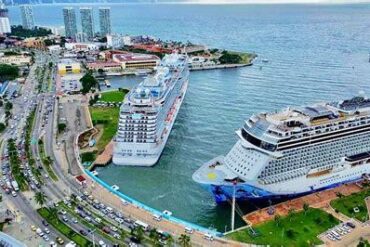
Mexico is stepping into a pivotal role in the cruise tourism sector by introducing a new tax on cruise passengers aimed at addressing the economic and environmental repercussions of mass tourism. Starting from July 2025, cruise travelers arriving at Mexican ports will be subject to a $5/£3.67 tax per passenger, which will incrementally rise over the next three years, ultimately reaching $21/£15.42 per passenger by 2028. This strategic move responds to mounting concerns from Mexican officials who argue that the benefits of cruise tourism do not adequately trickle down to local communities.
The cruise tourism industry has long been a significant contributor to Mexico’s economy, with the country serving as a key stop for many Caribbean cruise routes. However, many local authorities believe that the financial gains for communities hosting these tourists are disproportionate to the scale of tourism they experience. The newly implemented cruise tax aims to rectify this imbalance by generating essential funds that will support infrastructure development, environmental preservation, and community initiatives in areas that heavily rely on cruise visitors.
While the new tax has sparked controversy, particularly among major cruise lines such as Royal Caribbean, which contend that cruise passengers already contribute to local economies through their spending, Mexican authorities remain firm in their stance. They argue that it is only fair for cruise companies to contribute to the upkeep of local facilities and ensure the sustainability of popular tourist destinations. The fee will be an additional charge on top of existing port fees that cruise operators currently pay when docking in Mexico, effectively increasing the overall cost of cruising to this beautiful country.
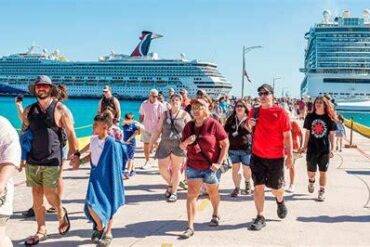
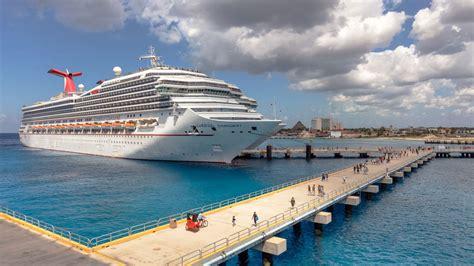
As the cruise industry anticipates a busy year ahead, with around 3,000 cruise ships expected to visit Mexico in 2025, bringing approximately 10 million passengers, the implications of this new tax could be substantial. Cozumel, an island famous for its stunning diving spots and breathtaking beaches, stands as Mexico’s largest and most frequented cruise port. Local business owners on the island have expressed concerns regarding how the new tax might affect their revenue streams. While some see it as a necessary measure to ensure that tourism profits benefit local communities, others fear it could diminish Mexico’s attractiveness as a cruise destination.

Adding to the complexity of the situation is the announcement that Royal Caribbean is developing a private island resort, dubbed “Perfect Day Mexico”, on the Yucatan Peninsula, set to open in 2027. This exclusive destination has the potential to divert tourism spending away from the mainland and funnel it towards the private resort, where passengers are likely to spend the majority of their time and money. As such, the dynamics of cruise tourism in Mexico may shift significantly, raising questions about the long-term viability of local businesses that depend on traditional cruise tourism.
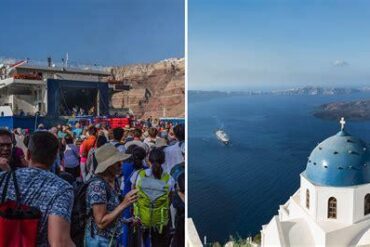
Mexico is not alone in this trend; other popular cruise destinations have also recognized the need to implement similar taxes to manage overtourism. For instance, Greece’s stunning islands of Santorini and Mykonos have introduced a €20/£17.14 tax, applicable during the peak tourist season until September 30, 2025. Norway has also announced plans to launch a three percent tax on both overnight stays and cruise passengers starting in 2026, aimed at mitigating the environmental impacts of tourism while managing visitor numbers in the country.
The introduction of a cruise tax in Mexico is part of a broader global movement among tourist destinations striving to balance the economic benefits of tourism with the need to protect local communities and the environment from the adverse effects of overtourism. As the cruise market continues to expand, these kinds of policies are becoming increasingly common. While the cruise industry has expressed resistance to such measures, officials argue that they are crucial for establishing a sustainable tourism strategy that ensures the economic benefits are shared equitably across all sectors of society.
The long-term impact of these tourism taxes on the cruise industry remains uncertain, especially as more destinations adopt similar policies. This could fundamentally reshape the operational landscape of the cruise sector, particularly in regions where cruise tourism serves as a significant economic driver. The ongoing debate highlights the delicate balance that countries like Mexico must strike between fostering tourism growth and safeguarding their local communities and natural environments against the detrimental effects of overtourism.
In conclusion, as Mexico embarks on this new chapter in cruise tourism regulation, it sets a precedent for other nations grappling with similar challenges. The hope is that the funds generated through this tax will not only bolster local economies but also contribute to the long-term sustainability of the regions that welcome millions of cruise passengers each year. As stakeholders continue to engage in dialogue, the outcome will undoubtedly shape the future of cruise tourism in Mexico and beyond.