In a bold move to generate more revenue, Mexico has announced a new tourist tax for cruise passengers, which will start at $5 per person from July 2025. This fee, however, is set to rise gradually over the next few years, reaching $21 by 2028. While the Mexican government views the tax as essential for funding public services and infrastructure, many cruise operators and local businesses are concerned that it could discourage travelers from visiting Mexican ports. Here’s a deeper look at the new tax, its potential impact, and what’s driving these concerns.
A New Tax Structure for Cruise Passengers
The Mexican government’s new tax, which will apply to all cruise passengers docking at Mexican ports, is set to begin in July 2025. Initially, the charge will be a modest $5 per passenger, but it will steadily increase over the next few years. The tax structure is as follows:
- 2026: $10 per passenger
- 2027: $15 per passenger
- 2028: $21 per passenger
The gradual rise in fees is part of a long-term strategy to boost revenue for public services and infrastructure projects. While the original proposal for the tax was much higher at $42, the Mexican government and the Florida-Caribbean Cruise Association (FCCA) worked together to lower the fee in order to avoid severe disruptions to the cruise industry.
Industry Concerns: Will the Tax Drive Tourists Away?
The introduction of this new tax has sparked a wave of concerns within the cruise industry. Operators fear that the combination of this new tax with existing port charges could make Mexican ports some of the most expensive in the Caribbean. The FCCA has warned that this could result in fewer cruise itineraries stopping in Mexico, which would hurt the local economies that depend on tourism.
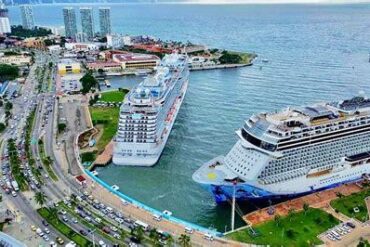
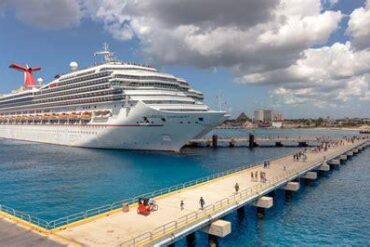
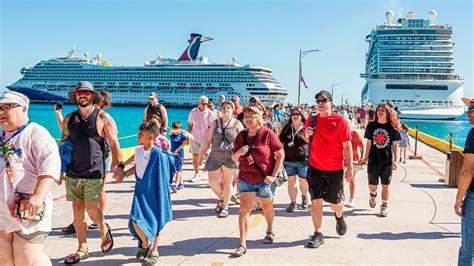
One of the main worries is that cruise passengers might start avoiding Mexico in favor of more affordable destinations, ultimately reducing the number of ships visiting popular ports such as Cozumel, Mazatlán, and Mahahual. These towns rely heavily on the influx of cruise tourists, with local businesses such as restaurants, shops, and excursions depending on the revenue generated by visitors.
Local Business Reactions: A Mixed Outlook
Local businesses, especially those in major cruise hubs like Cozumel, have voiced concerns about the long-term effects of the tax. As the lifeblood of the local economy, these businesses rely on the large number of cruise tourists visiting each year. If fewer passengers arrive due to the increased cost, they could face significant financial strain. For instance, small businesses, including souvenir shops and street vendors, fear that cruise tourists may be discouraged from spending money in their shops, given the additional cost of the cruise tax. This, in turn, could ripple through the economy, affecting jobs and local growth.
However, some business owners remain hopeful that the gradual implementation of the tax will give them time to adjust. Many are calling for a collaborative approach between the government, cruise operators, and local businesses to ensure a balanced and sustainable model that protects both tourism and the economy.
The Government’s Justification: Funding Public Services
The Mexican government insists that the tax is necessary to generate revenue for essential public services. President Claudia Sheinbaum has emphasized that the funds raised will help reduce the national deficit and support infrastructure projects that benefit the wider community. By targeting cruise tourists, who benefit from Mexico’s coastal attractions without contributing much to local economies, the government hopes to create a more equitable system where all sectors contribute to the country’s development.
This is part of a broader strategy to fund infrastructure without cutting existing social programs. While the intention behind the tax is to stimulate long-term growth, critics argue that it could undermine the very tourism sector it aims to support, especially in a country so reliant on the economic benefits of the cruise industry.
Looking Forward: The Future of Mexican Cruise Tourism
As the tax rollout begins in 2025, both the cruise industry and local businesses will closely monitor its impact. The gradual fee increase gives all stakeholders time to adjust, but the real effects on tourism and the economy will become clearer over time. Tourism experts believe that Mexico’s cruise ports may still be able to attract visitors, but only if the tax is managed carefully and supplemented with promotional efforts to ensure the country’s allure as a top cruise destination is maintained.
The key challenge will be finding the balance between generating public funds and preserving the vibrant cruise tourism industry that plays such a pivotal role in the local economy. While the new tax represents a significant shift in how tourism is funded in Mexico, its success will largely depend on the collaboration among government entities, cruise lines, and local businesses to adapt to this new fiscal reality.