In the world of travel, July 24, 2025, marks a significant day as we delve into the shifting dynamics of tourism across various regions. From Alabama’s emergence as a key player in the U.S. travel sector to Mexico’s new tourist tax aimed at enhancing sustainability, we explore how these developments impact travelers and the industry alike. Furthermore, we examine Canada’s increasing allure for European visitors and the broader global trends shaping the future of travel.
Alabama’s Emergence as a U.S. Tourism Powerhouse
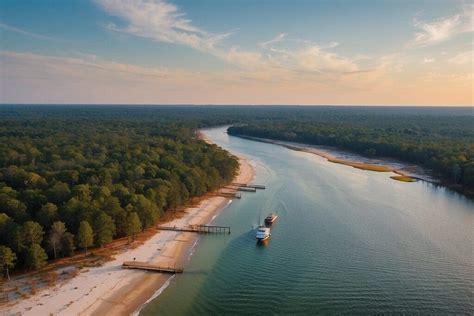
Alabama is rapidly establishing itself as one of the leading states for tourism in the United States, joining the ranks of historically popular destinations such as Texas, California, New York, Alaska, and Illinois. In 2025, Alabama welcomed an impressive 29 million visitors, drawn by its rich cultural heritage and diverse attractions. Key highlights include the Civil Rights Trail, which offers profound historical insights, stunning Gulf Coast beaches perfect for relaxation and adventure, and vibrant cultural hubs located in cities like Birmingham and Montgomery. The economic impact is noteworthy; visitor spending in North Alabama soared to a staggering $4.9 billion, with Montgomery alone generating $1.5 billion in tourism revenue.
The state’s commitment to enhancing its tourism infrastructure and its increasing international appeal are solidifying its position as a must-visit destination. Alabama’s historical significance, coupled with its natural beauty, is expected to attract even more visitors in the coming years. As the state continues to invest in its tourism offerings, it stands poised to become a cornerstone of U.S. travel.

Mexico’s New Tourist Tax: A Step Towards Sustainability
Moving southward, Mexico has introduced the “Embrace It Tax,” a new initiative aimed at promoting sustainability and supporting infrastructure development in its most popular tourist regions, including Baja California. Effective from June 30, this tax levies a fee of approximately 470 Mexican pesos (around $25) per stay for foreign visitors. Additionally, cruise taxes are set to incrementally rise, reaching $21 per passenger by 2028. This move aligns Mexico with other countries like France, Spain, and Thailand, which have long utilized tourist taxes to fund essential tourism infrastructure and sustainability projects.
The implementation of this tax reflects a broader global trend emphasizing responsible tourism and eco-friendly practices. As travelers increasingly seek sustainable options, Mexico is positioning itself as a leader in this movement, ensuring that tourism contributes positively to both the economy and the environment. This initiative not only aims to enhance the quality of services available to tourists but also reinforces Mexico’s commitment to preserving its natural and cultural resources.
U.S. Airlines Grapple with Weather Challenges
In the United States, the summer travel season has faced significant challenges due to extreme weather conditions, leading to widespread flight delays and cancellations. Major airlines such as United, Delta, and Alaska Airlines have struggled to manage airspace congestion and operational stress exacerbated by adverse weather events. Key hubs like Newark, Seattle, Atlanta, and San Francisco have been particularly hard-hit, with United Airlines experiencing the highest number of cancellations, including those affecting international routes to destinations like Rome and Paris. Delta reported nearly 500 delays, while Alaska Airlines faced tight turnarounds on the West Coast, further complicating travel plans for many.
These disruptions serve as a stark reminder of the vulnerabilities inherent in air travel during peak seasons. Travelers are advised to regularly check their flight statuses and prepare for potential delays, as the summer storms continue to impact air traffic across the nation.
Brazil’s Tourism Surge: A Boon for International Visitors
Meanwhile, Brazil is celebrating a remarkable surge in international tourism, with 5.3 million arrivals recorded as of July 2025—an impressive 48% increase compared to the previous year. A pivotal factor driving this growth is Brazil’s newly expanded visa-free access, which now allows travelers from over 100 countries, including the UK, France, South Korea, and the UAE, to visit without a visa. This strategic move has effectively dismantled key barriers to entry, inviting a wave of global tourists and positioning Brazil as a formidable contender in the international tourism arena.
With its breathtaking landscapes, vibrant culture, and rich history, Brazil is rapidly transforming into a tourism powerhouse in Latin America. The country’s ability to attract significant numbers of visitors not only enhances its economic prospects but also promotes cultural exchange and global connectivity.
Canada Surpasses the U.S. in Attracting European Tourists
As we pivot back to North America, Canada has outperformed the U.S. in attracting European visitors, thanks primarily to an influx of tourists from the UK, Germany, and France. The province of Ontario has emerged as a frontrunner, recording unprecedented tourism numbers. This surge can be attributed to the strategic efforts of Air Canada and WestJet, which have streamlined operations by trimming underperforming routes to destinations like Tampa and Los Angeles in favor of more profitable transatlantic and domestic routes.
The growing popularity of Canada among European travelers reflects a shift in global travel patterns, where tourists are increasingly seeking destinations that offer unique experiences and better accessibility. This trend underscores the evolving preferences of modern travelers, who prioritize immersive and enriching travel experiences.
Asia Faces Severe Weather Disruptions
On the other side of the globe, Asia is grappling with severe weather disruptions that have significantly affected travel across some of the region’s busiest aviation hubs. Major airlines such as Singapore Airlines, China Eastern, and Japan Airlines have canceled more than 70 flights due to extreme weather conditions impacting airports in Beijing, Hong Kong, and Tokyo. Thousands of travelers have found their plans disrupted, with further delays anticipated as the monsoon season continues to wreak havoc on air traffic.
These severe weather events highlight the ongoing challenges faced by airlines and travelers during peak weather seasons, particularly in regions prone to monsoons and typhoons. It serves as a crucial reminder of the need for travelers to remain vigilant and informed about potential weather-related impacts on their travel plans.
Record-Breaking Tourism Numbers Across the Americas
The tourism boom sweeping across the Americas is largely fueled by resort development, affordable pricing, and favorable weather conditions. The Dominican Republic is leading the charge in the Caribbean, with tourism numbers climbing by an impressive 22% year-over-year. Mexico and Canada are also experiencing significant growth, alongside countries in South America such as Argentina and Chile. Brazil’s surge in visitor numbers, coupled with improved infrastructure, has solidified its position as one of the top destinations in the region.
This upward trend in tourism is expected to persist as countries across the Americas focus on attracting more international travelers and expanding their tourism offerings. The combination of natural beauty, cultural richness, and improved connectivity is paving the way for a brighter future in the tourism sector across the continent.
Luxury Tourism in Europe: Preparing for Upscale Winter Escapes
As the winter season approaches, Europe is gearing up for a notable increase in luxury tourism. Countries like Switzerland, Italy, and Austria are investing over $2 billion in the development of high-end ski resorts, aiming to attract affluent travelers from North America. With extended ski seasons, luxurious chalets, and wellness spas, these Alpine nations are redefining the luxury mountain experience.
The substantial investment in upscale resorts reflects the growing demand for elite winter tourism as travelers seek premium experiences in some of the world’s most iconic ski destinations. This trend signifies a shift towards high-quality offerings that cater to discerning travelers, underscoring the evolving landscape of European tourism.
Conclusion: Navigating the Evolving Travel Landscape
In summary, the global travel landscape is undergoing transformative changes, marked by both growth and challenges. Alabama is emerging as a vibrant tourism hotspot within the U.S., while Mexico’s new tax initiative aims to bolster sustainability efforts. Brazil continues to rise as a major player in global tourism, and Canada is successfully attracting European visitors. However, the U.S. faces operational setbacks due to adverse weather conditions, and Asia is navigating severe weather disruptions impacting travel. Simultaneously, luxury tourism in Europe is reaching new heights as the winter season approaches. As the travel industry adapts to these shifts, it is evident that destinations are continuously evolving to meet the diverse needs of modern travelers.