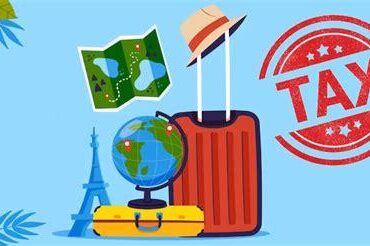
Norway is poised to implement a significant transformation in its tourism policy with the introduction of a 3% tourism tax set to take effect in the summer of 2026. This initiative is designed to address the escalating pressures on local services and infrastructure as the nation witnesses an unprecedented surge in international visitors. As towns grapple with the impacts of rising tourist numbers, this measure aims to provide much-needed financial resources that will empower municipalities to enhance their public amenities, ensuring that both residents and travelers can enjoy Norway’s natural beauty without compromise.
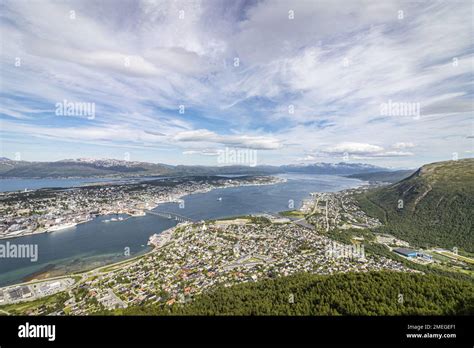
The decision to roll out this tax comes in response to alarming trends noted across the country, where some popular destinations now see daily tourist inflows that exceed the local population. For instance, in Tromsø, known for its stunning Arctic landscapes, local authorities are keenly aware of the need to bolster infrastructure as they welcome more visitors seeking to experience the Northern Lights and other natural wonders. The introduction of this tax is not just a financial strategy; it represents a commitment to sustainable tourism, aiming to balance the influx of visitors with the preservation of local environments and the enhancement of community life.
As part of this initiative, the newly proposed tax will apply to various forms of accommodation, including hotels, guesthouses, and short-stay rentals. Additionally, cruise ship passengers will also be subject to this charge, which is expected to generate substantial revenue that will be allocated specifically to improve essential public services. These enhancements are crucial during the busy summer months when facilities such as public restrooms, hiking trails, and parking areas often face overwhelming demand from tourists.
The Norwegian government has structured the implementation of this tax to allow individual municipalities the autonomy to apply for authorization to enforce the levy. This means that local leaders must present evidence detailing how increased tourism is straining their resources. Once approved, they can begin collecting the tax, but the stipulation remains clear: all funds raised must be channeled directly into tourism-related public services. This ensures that the revenue generated will visibly benefit the very infrastructures that tourists rely upon, rather than becoming absorbed into broader municipal budgets.
Historically, Norway has been cautious about implementing such measures, largely due to its already high tax rates and the “right to roam” principle that promotes public access to nature. Previous attempts to introduce a fixed hotel tax were met with resistance from the hospitality sector, which argued that such measures could diminish competitiveness in a global market. However, the current proposal strikes a middle ground, targeting international travelers while ensuring that domestic tourists remain exempt. This thoughtful approach acknowledges Norway’s rich tradition of local travel, particularly during the summer months when families often camp or travel by camper van.
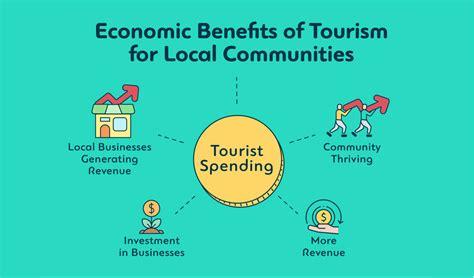
Local communities stand to gain significantly from the financial influx brought about by this tourism tax. The funds collected will not only support the maintenance of existing facilities but also pave the way for new developments that can accommodate the growing number of visitors. In regions like Lofoten, where breathtaking landscapes draw thousands each year, the need for expanded infrastructure cannot be overstated. The local authorities are eager to utilize these funds to ensure that the experiences offered to tourists are both enriching and sustainable.

The implementation of the 3% tourism tax is aligned with a broader trend seen across Europe, where various destinations are increasingly adopting similar levies to manage the effects of high-volume tourism. Countries like Italy, France, and Spain have long relied on tourism taxes to fund local services and infrastructure. Norway’s decision to follow suit reflects a significant shift in its tourism strategy, recognizing the necessity of adapting to changing visitor dynamics while safeguarding local interests.
Critics of the initiative have voiced concerns regarding the potential impact on tourist spending, fearing that the additional cost might deter some travelers from visiting. However, the initiative enjoys broad support among political leaders and stakeholders within the travel industry, who recognize the long-term benefits of sustainable tourism. By investing in infrastructure improvements, the quality of the visitor experience is expected to enhance, ultimately making Norway a more attractive destination.
Moreover, the enforcement mechanism of this tax requires municipalities to present detailed proposals outlining the specific impacts of tourism on local infrastructure, ensuring transparency and accountability in how the funds are utilized. This rigorous approach is designed to instill confidence among both locals and visitors, fostering a sense of shared responsibility for preserving Norway’s natural beauty and cultural heritage.
As the summer of 2026 approaches, towns across Norway are gearing up to adopt this transformative tax, with expectations that it will set a precedent for future tourism management practices. The emphasis on sustainability and community welfare is likely to resonate with travelers who are increasingly seeking destinations that prioritize responsible tourism.
In conclusion, Norway’s introduction of a 3% tourism tax represents a proactive approach to managing the effects of rising visitor numbers while simultaneously enhancing the quality of life for residents. This initiative not only aims to alleviate the strain on local services but also seeks to create a more balanced relationship between tourism and local communities. As other destinations observe Norway’s progress, it may well inspire a new wave of policies aimed at promoting sustainable tourism practices globally.