Norway has officially joined forces with Italy, France, Germany, the Netherlands, Switzerland, the UK, and Greece in a significant initiative that is reshaping the landscape of travel across Europe. The introduction of a 3% tourist tax on overnight stays in selected areas reflects a strategic effort to manage the increasing pressures of overtourism while enhancing the overall experience for both travelers and local residents. As summer approaches and destinations become inundated with visitors, this collaborative approach aims to safeguard the charm and integrity of these beloved locales, ensuring they remain sustainable and accessible for future generations.
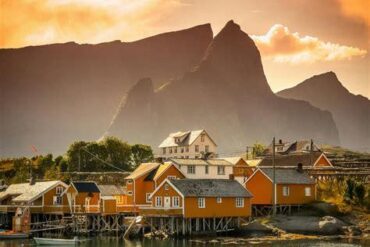
In a world where tourism numbers are breaking records, Norway’s decision to implement this tax comes at a crucial juncture. The country’s stunning natural beauty, from the mesmerizing Northern Lights to its iconic fjords and dramatic hiking trails, has attracted millions of tourists each year. However, this surge in visitor numbers has begun to strain local infrastructure and ecosystems. By allowing municipalities to impose a targeted tax, Norway seeks to fund essential improvements in public facilities, such as restrooms, parking areas, and conservation efforts, all of which are vital to maintaining the allure of its landscapes.
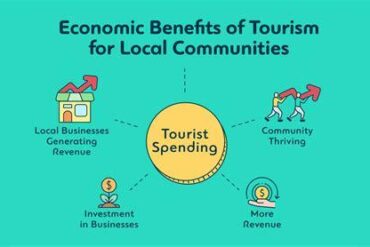
The rationale behind the tourist tax is not merely financial; it represents a broader commitment to sustainable tourism. Local authorities emphasize that tourism is a critical component of the economy, supporting jobs and fostering cultural exchange. However, the unchecked growth of tourism poses risks that could undermine the very qualities that attract visitors in the first place. By implementing a selective tax system that varies by season and location, Norway aims to strike a balance between welcoming tourists and preserving the quality of life for residents.
This initiative mirrors similar measures already adopted in other European countries. For instance, Venice introduced a pilot entry fee for day-trippers in 2024, aiming to mitigate the impact of short-term visitors on its fragile ecosystem. Greece is also advancing its efforts with a cruise tourist tax targeting popular islands like Santorini and Mykonos, further emphasizing the need for responsible tourism practices. In Spain, local governments have increased tourist taxes significantly in response to mounting frustration over overtourism, particularly in hotspots like Barcelona and Mallorca.
One of the standout features of Norway’s approach is its focus on local engagement. By granting municipalities the authority to adjust tax rates based on seasonal demand and specific tourism pressures, the initiative fosters community involvement in tourism management. This local control ensures that the revenue generated from the tax directly benefits the communities most affected by tourism, creating a sense of ownership and accountability among residents.
The concept of a tourist tax may initially evoke concerns among travelers about increased costs. However, the benefits of this initiative are poised to enhance the overall travel experience. The additional funds generated will be channeled into improving public amenities, ensuring cleaner cities, safer landmarks, and better services. As travelers pay a little more, they can expect a more authentic interaction with local culture and an enriched travel experience that prioritizes sustainability.
Furthermore, seasonal adjustments to the tax rate are designed to address issues of overcrowding. During peak travel months, a higher fee may serve to naturally regulate visitor numbers, alleviating pressure on local resources and ecosystems. This proactive approach positions Norway as a leader in sustainable tourism, setting a precedent that other Scandinavian nations, such as Finland and Sweden, are now considering for their own tourism policies.
As Europe embraces this shift towards responsible tourism, it prompts travelers to reflect on their impact. The question arises: are these taxes simply a new expense, or do they represent a meaningful investment in the destinations we cherish? The answer lies in the understanding that sustainable travel is not just about enjoying picturesque views but also about contributing to the preservation of those very landscapes.
This evolving dynamic in tourism underscores a growing recognition that mass tourism must adapt to the realities of environmental challenges and local needs. Countries across Europe are no longer viewing tourism as an untouchable economic boon; instead, they are reshaping the narrative to ensure that the benefits of tourism are equitably distributed and that the cultural and natural heritage of these regions is preserved.
As travelers plan their journeys through Europe, it is essential to acknowledge the role they play in sustaining the destinations they visit. By embracing responsible travel practices, choosing off-the-beaten-path locations, and engaging with local communities, tourists can help alleviate the pressures of overtourism while enriching their own experiences. The implementation of tourist taxes serves as a reminder that our presence as visitors carries responsibilities, and our contributions can help preserve the beauty and integrity of the places we love.
In conclusion, Norway’s introduction of a tourist tax, alongside similar initiatives across Europe, marks a pivotal moment in the evolution of travel. It encapsulates a shift towards a more sustainable model that benefits both travelers and host communities. As Europe sends a clear message—welcome, but contribute—it invites us all to rethink our approach to travel, ensuring that we leave a positive footprint wherever we go. The era of mindful tourism is upon us, and with it comes the opportunity to create a more harmonious relationship between travelers and the destinations they explore.