Norway, celebrated for its breathtaking landscapes and picturesque villages, is taking a bold stance against overtourism by introducing a new tourist tax. Starting in the summer of 2026, local governments will have the authority to impose a 3% levy on both overnight stays and cruise ship visits. This pioneering initiative aims to manage the increasing influx of tourists drawn to the Nordic nation, while simultaneously protecting its pristine environment. As the number of visitors continues to rise, Norway’s proactive approach offers a glimpse into the future of sustainable tourism.
The tourism sector in Norway experienced a record-breaking year in 2024, with over 38.6 million tourists booking accommodations—a remarkable 4.2% increase from the previous year. This surge highlights Norway’s growing allure as a destination, particularly as many travelers seek refuge from the intense heatwaves affecting southern Europe. However, this remarkable growth has brought along challenges, especially in regions that face seasonal tourism peaks. The newly introduced tourist tax is viewed as a viable solution to harmonize the demands of increased visitor numbers with the needs of local communities and sustainable development.
The implications of the 3% levy extend beyond mere numbers; it represents a shift in how tourism is approached in the country. Applicable to both overnight stays and cruise ship passengers docking at Norwegian ports, the tax is designed to alleviate the pressure on local resources. While the measure will be implemented across various localities, it remains voluntary—allowing regions the discretion to adopt the tax based on their unique circumstances. Crucially, the revenue generated from this tax will be reinvested back into the region, empowering local authorities to enhance services such as hiking trails, parking facilities, and other infrastructure projects that benefit both residents and tourists alike. Notably, camping vans, recreational boats, and tents will be exempt from this fee, thereby concentrating the tax on more traditional forms of tourism.
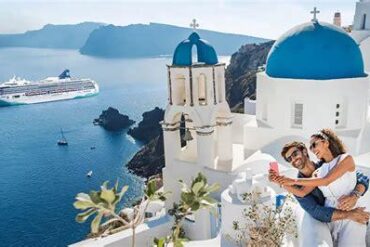
Initially, day cruise passengers were excluded from the tax proposal. However, rising concerns regarding the environmental impact of cruise ships prompted the inclusion of this demographic. Cruise ships, notorious for their high carbon emissions and waste production, have become focal points for cities and nations striving to manage tourist influxes more sustainably. Cecilie Myrseth, Norway’s Minister of Trade and Industry, emphasized the necessity of the tax to address the specific challenges faced by regions experiencing peak seasonal tourism. Her statement underscored the goal of ensuring that local residents do not shoulder the burdens associated with increased tourism. By implementing this tax, local communities stand to benefit directly from the revenue, which can be utilized to improve local amenities and mitigate resource strain.
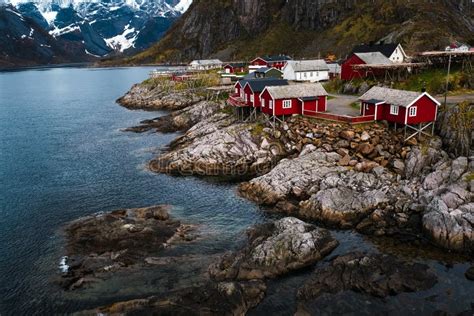
The introduction of this tourist tax is not merely a fiscal measure; it reflects a broader commitment to achieving sustainable tourism in Norway. As the country emerges as an increasingly popular travel destination, it becomes imperative to maintain its allure without overwhelming local communities. The funds accrued from this tax will be dedicated to preserving Norway’s natural beauty, ensuring that future generations can continue to experience its stunning landscapes and diverse wildlife. By navigating the complexities of tourism management effectively, Norway’s approach may serve as a model for other nations grappling with similar challenges.
With the 3% tourist tax set to come into effect in 2026, Norway is positioning itself as a leader in sustainable tourism practices amid rising global travel trends. This initiative not only reflects the country’s commitment to maintaining a delicate balance between welcoming tourists and protecting its unique ecosystems, but it also sets a precedent that could inspire similar measures in other popular destinations worldwide. As more regions confront the challenges posed by overtourism, Norway’s innovative approach may illuminate a path forward, encouraging other countries to adopt policies that prioritize both economic growth and environmental preservation.
In conclusion, Norway’s implementation of a 3% tourist tax marks a significant step towards sustainable tourism. It demonstrates a willingness to address the challenges posed by increasing visitor numbers while safeguarding the natural and cultural heritage that makes Norway a must-visit destination. As the world continues to evolve, so too must the strategies employed to manage tourism effectively. Norway’s forward-thinking initiative not only addresses immediate concerns but also lays the groundwork for a future where tourism can thrive in harmony with the environment.