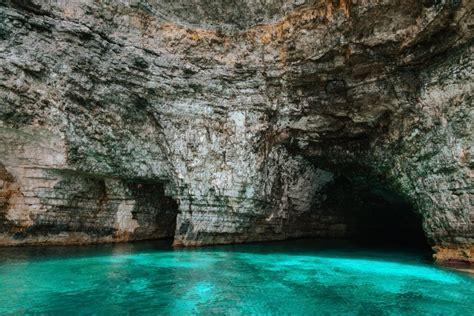
Comino Island, a small gem in the Mediterranean, is widely recognized for its crystal-clear waters and picturesque landscapes. However, as tourism continues to surge, this once peaceful haven is becoming overwhelmed. With 10,000 visitors arriving daily during the peak summer months, the island is struggling to handle the influx, leading to serious environmental concerns. The rapid rise of Comino Island tourism has led to overcrowding, prompting the Maltese government to introduce measures aimed at preserving the island’s natural beauty for future generations.
A Rising Tide of Tourists: The Strain on Comino Island
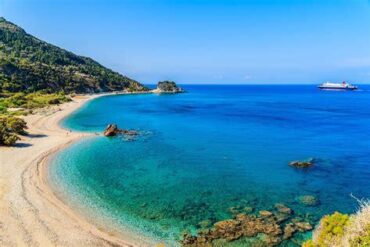
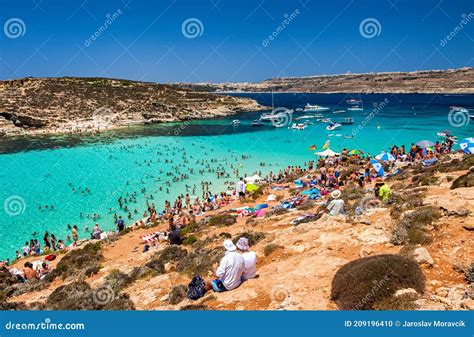
Nestled between Malta’s main island and Gozo, Comino Island is home to the famous Blue Lagoon, a natural pool embraced by breathtaking cliffs and pristine waters. Despite its modest size of just 1.4 square miles, it has become a premier destination for visitors from around the globe. In 2024, Malta welcomed nearly 3.6 million tourists, with Comino witnessing a particularly sharp increase in visitor numbers. This surge has placed immense pressure on the island’s infrastructure and its delicate ecosystem.
During peak summer months, reports indicate that as many as 10,000 tourists descend upon Comino each day, creating severe crowding at the Blue Lagoon and other popular spots. Local residents are increasingly voicing their concerns, arguing that the current level of tourism is unsustainable and poses a threat to the island’s natural beauty and ecological balance.
The Government’s Response: Introducing Capacity Limits for Sustainable Tourism
In light of these challenges, Malta’s Tourism Minister, Ian Borg, has announced significant measures to address the overtourism crisis on Comino Island. In a public address earlier this year, Minister Borg revealed plans to impose a capacity cap on the island, limiting the number of tourists allowed to visit each day. This initiative aims to reduce overcrowding, protect the island’s fragile ecosystem, and ensure that Comino remains a sustainable tourism destination for years to come.
Minister Borg explained that the current situation—where commercial boat operators unload hundreds of tourists simultaneously—is simply too much for the small island to bear. His proposed solution seeks to cut the number of visitors by half during the peak season, which will help ease the strain on the island’s resources and environment.
Why This Move is Crucial for Comino and Malta’s Future
The preservation of Comino’s environment transcends the mere maintenance of its beauty for visitors; it is fundamentally about safeguarding its vital ecosystems. The island is home to significant natural sites, including the Natura 2000 marine protected area and an Important Bird Area (IBA), which hosts breeding pairs of the Yelkouan shearwater, a seabird species under threat. The increasing number of visitors poses a direct threat to these sensitive habitats, potentially disturbing wildlife and causing irreversible damage to the environment.
By imposing a capacity limit, the Maltese government aims to protect these crucial areas while ensuring the long-term health of Comino’s environment. This initiative aligns with broader goals of promoting sustainable tourism in Malta, where the economic benefits of tourism must be balanced with environmental responsibility.
Tourism Experts Weigh In: Sustainable Solutions for Overcrowding
Industry experts have largely applauded the Maltese government’s decision to limit tourist numbers on Comino Island. Eammon Turley, CEO of MPV Rentals, emphasized that the capacity cap is a vital step toward preserving the island’s natural charm and protecting its ecosystem. He pointed out that while Comino remains a sought-after destination due to its stunning beauty, the environmental ramifications of mass tourism cannot be overlooked. The destruction of bird habitats, the influx of rodents from discarded food, and the deterioration of the island’s shores and waters are tangible effects of overcrowding that need urgent attention.
Turley further stresses the importance of balancing the economic benefits of tourism with sustainability. He argues that reducing visitor numbers will not deter tourists; rather, it will enhance their experience, allowing them to enjoy the island in a more peaceful and meaningful way. Encouraging tourism to different parts of Malta, including lesser-known regions on the main island and Gozo, can alleviate the pressure on Comino, ultimately benefiting both visitors and local communities.
Encouraging a Broader Tourism Experience: Alternatives to Comino
While Comino’s Blue Lagoon remains a top attraction, Malta boasts numerous stunning locations that offer quieter and more relaxing experiences. Travel expert Alexandra Dubakova suggests that tourists explore alternative areas of Malta to ease the pressure on popular sites. For instance, Zejtun, one of Malta’s oldest towns, remains relatively untouched by mass tourism, providing a more authentic Maltese experience. Additionally, Malta’s neighboring island, Gozo, features a variety of scenic bays and tranquil walking paths that are far less crowded than Comino.
Promoting visits to these lesser-known spots allows travelers to discover the island beyond its typical tourist routes. By encouraging exploration of alternative destinations, Malta can distribute the flow of visitors more evenly, thereby reducing the environmental strain on Comino and other heavily trafficked sites.
Looking Ahead: Sustainable Tourism for the Future of Malta
The future of tourism on Comino Island hinges on the government’s ability to effectively balance tourism with conservation efforts. The proposed capacity limits, alongside the promotion of alternative destinations, are essential components in crafting a sustainable tourism model in Malta. As overtourism increasingly affects destinations worldwide, Malta’s proactive approach could serve as a valuable example for other regions grappling with similar issues.
By prioritizing sustainability and responsible travel practices, Malta is working diligently to ensure the ongoing prosperity of both its tourism industry and its rich natural heritage. Through thoughtful management and strategic initiatives, Comino can retain its breathtaking beauty while providing visitors with a memorable and environmentally responsible experience.
Conclusion: A Call for Sustainable Practices in Tourism
With Comino Island tourism reaching unsustainable levels, the Maltese government is taking critical steps to preserve this beloved destination. By implementing visitor limits and promoting alternative attractions, Malta is advancing toward more sustainable tourism practices. This careful balance between environmental protection and economic growth is vital for ensuring that Comino remains a pristine destination for future generations to cherish and enjoy.