India’s tourism industry is currently grappling with a significant crisis as international inbound travel continues to plummet, with a 10% drop in visitor numbers reported in the first quarter of 2025 compared to the previous year. This alarming trend emerges despite a global recovery in travel that has returned to pre-pandemic levels, raising urgent concerns among stakeholders in the sector. The decline can be attributed to various factors, including cumbersome visa processes, negative perceptions abroad, and a lack of alignment between government policies and industry needs.
The latest data from the tourism ministry reveals that India welcomed only 26.1 lakh international tourists in the first quarter of CY2025, a stark decrease from 32.6 lakh in the same period last year. This represents a 17% decline when compared to the first quarter of 2019, before the pandemic disrupted global travel. As the situation deteriorates, industry experts warn that immediate action is essential to halt this downward spiral and rejuvenate India’s standing as a preferred travel destination.
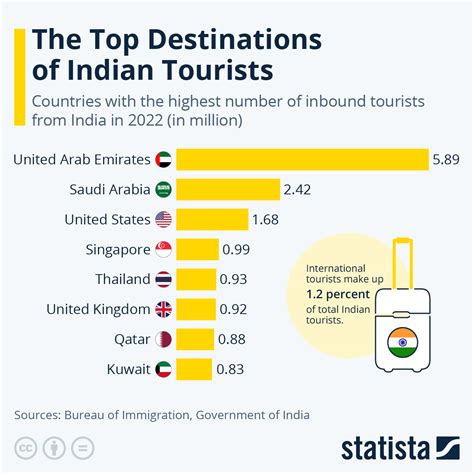
In contrast to the struggles faced by inbound tourism, outbound travel from India has reached unprecedented heights. The tourism ministry’s statistics indicate that 75.9 lakh Indians traveled overseas in Q1 CY2025, up from 65 lakh in the previous year. This stark contrast underscores a troubling trend: while Indian travelers are increasingly exploring foreign destinations, international tourists appear less inclined to visit India. The ongoing decline in inbound tourism poses a serious threat to the nation’s economy, particularly as tourism is a vital contributor to GDP and employment.
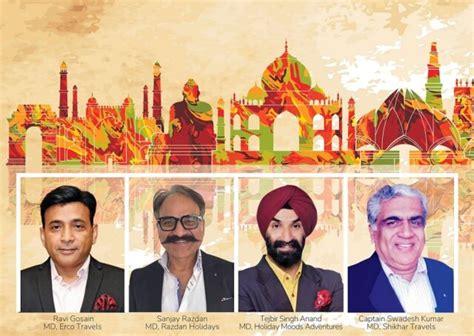
Several factors have contributed to the dramatic reduction in international group tours to India, with many cancellations reported by tour operators. The Indian Association of Tour Operators (IATO) has voiced strong concerns and is urging the government to implement urgent and decisive measures to reverse the trend. Key among their demands is the need for the government to enhance public-private partnerships within the tourism sector, which could stimulate growth and support the revival of inbound tourism.
One of the most significant barriers to growth is the complex visa and entry processes that deter potential visitors. Although the introduction of e-visas has improved access somewhat, it remains inadequate, especially for group travel, Meetings, Incentives, Conferences, and Exhibitions (MICE), and long-haul flights. These cumbersome bureaucratic procedures create a challenging environment for international tourists who seek seamless travel experiences. IATO emphasizes that these processes must be streamlined to foster a more welcoming atmosphere for incoming visitors.
Additionally, there are growing concerns regarding perception issues about India abroad. Negative imagery and stereotypes often hinder the country’s appeal as a tourist destination. To combat this, the association has called on the government to invest in brand-building initiatives aimed at enhancing India’s image globally. Reinstating the Marketing Development Scheme (MDA) assistance for tour operators is also recommended, as this would empower operators to strengthen their networks and visibility in key source markets.
Despite the government’s promotion of the concept of ‘Paryatan se Parivartan’ (Transformation through Tourism), the private tourism sector expresses dissatisfaction with the disconnect between government policies and the realities on the ground. Stakeholders argue that there is a pressing need for a more cohesive strategy that aligns governmental objectives with the challenges faced by industry players. The disjointed approach has led to frustration and uncertainty within the sector, stifling growth opportunities.
To effectively address these multifaceted challenges, a coordinated and proactive approach is essential. Strengthening public-private partnerships, improving entry procedures, and reinvesting in marketing and promotional efforts are crucial steps toward revitalizing India’s inbound tourism. Without these changes, the country risks missing out on the full potential of its tourism sector, especially as global travel continues to rebound and expand.
The call for immediate intervention from the government and the tourism ministry cannot be overstated. Addressing visa issues, fostering collaboration between public and private entities, and amplifying brand-building initiatives are imperative to halt the decline and ensure a sustainable future for India’s tourism industry. As the world opens its doors to travelers once more, India must act decisively to reclaim its position as a premier travel destination, lest it continue to fall behind in the competitive global tourism landscape.