Accor, the renowned French hospitality group, is spearheading a significant cultural initiative aimed at protecting the Historic Mining Landscape of Serifos, one of Greece’s most endangered industrial heritage sites. This initiative is a crucial part of a broader global effort to revive and conserve culturally significant landmarks that have been neglected over the years. In partnership with the World Monuments Fund (WMF), Accor demonstrates a commitment to sustainable tourism and cultural renewal, showcasing how responsible hospitality investment can safeguard overlooked historical treasures while enhancing both local and global appreciation for heritage preservation.
A New Era of Cultural Responsibility
In an era where the intersection of tourism and cultural preservation is becoming increasingly critical, Accor is taking a transformative approach that extends beyond traditional tourism investment. The partnership with WMF highlights a three-year global strategy focused on protecting historically significant sites from irreversible decline. The Historic Mining Landscape of Serifos—an island nestled within the Cyclades—has been officially added to the prestigious 2025 World Monuments Watch, a biennial list curated by the WMF to spotlight cultural landmarks around the world that are at risk due to neglect, environmental threats, or lack of preservation infrastructure.
This recognition is not just ceremonial; it places Serifos among an elite group of four global sites chosen for immediate conservation focus and technical intervention. From the 1870s until 1965, Serifos was a thriving mining center, particularly rich in iron ore. The remains of this industrious past include striking industrial relics such as the iconic Mega Livadi loading bridge, cavernous mining tunnels, and derelict yet historically valuable structures like processing facilities and administrative offices. Unfortunately, these remnants now stand largely untouched and deteriorating, victims of both natural erosion and a lack of formal protective legislation.
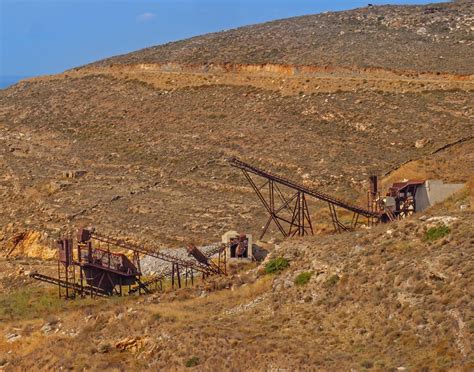
Revitalizing Heritage Through Sustainable Tourism
Accor’s decision to support the conservation of this forgotten industrial treasure stems from a broader corporate goal: to demonstrate how tourism can play a positive and sustainable role in the stewardship of cultural heritage. By revitalizing Serifos through a carefully designed preservation framework, Accor and WMF seek to restore its historic value while paving the way for responsible travel experiences that contribute to the local economy.
The WMF-Accor partnership will focus on a combination of scientific conservation methods and local engagement. A portion of the funding will be allocated to conducting technical studies on the physical stability of structures, as well as identifying restoration priorities. More critically, the project will involve outreach to Serifos’s residents, historians, tourism operators, and municipal planners to shape a long-term strategy that emphasizes sustainability and community benefit. This grassroots involvement is essential, as it ensures that conservation work not only protects the physical landscape but also integrates the identity and voice of the local population.
Together, stakeholders will explore how best to reintroduce Serifos’s mining legacy into the modern tourism narrative—whether through educational trails, interpretive centers, or guided heritage tours—without compromising its integrity. This initiative is a beacon for other regions seeking to balance heritage preservation with economic development.
Global Context: A Call for Action in South America
The inclusion of Serifos in the 2025 World Monuments Watch aligns with the urgent need for heritage action in several South American nations, including Argentina, Bolivia, Chile, Colombia, Ecuador, and Peru. Each of these countries boasts rich cultural histories and significant sites that are at risk of being lost forever. The Qhapaq Ñan Andean Road System, which spans six South American nations, serves as a vital reminder of the interconnectedness of these cultures and the shared responsibility to protect their heritage.
The Qhapaq Ñan is not merely an ancient route; it represents a sophisticated network of roads that facilitated trade, communication, and cultural exchange among the Andean civilizations. Its preservation is crucial not only for historical reasons but also for the potential economic benefits that responsible tourism could bring to local communities. Like Serifos, this site requires urgent attention and collaborative efforts to ensure its survival.
Additionally, the intricate, centuries-old water systems of Bhuj, India, included in the same watch list, further emphasize the global urgency surrounding heritage protection. These examples illustrate that the challenges faced by heritage sites are not confined to one region but are a shared global issue.
A Model for Future Initiatives
Accor’s strategic approach to its involvement in Serifos is not merely philanthropic; it is a calculated move that recognizes the long-term value of preserving cultural sites for both communities and the global travel industry. In contrast to over-commercialized destinations, heritage sites that are thoughtfully protected can offer immersive, meaningful experiences that modern travelers increasingly seek. This shift reflects a broader trend in the tourism industry where preservation and sustainability are becoming essential pillars of long-term success.
With visitor numbers surging globally, destinations are under increasing pressure to balance demand with protection. By investing in Serifos, Accor and WMF demonstrate how that balance can be achieved when tourism is treated not as a threat to culture, but as a potential partner in its survival. As work begins on the ground in Serifos, the project offers a hopeful blueprint for the integration of tourism and heritage conservation—one that prioritizes legacy over luxury, and meaning over mass appeal.
Conclusion: Setting a Precedent for the Industry
Accor is driving a global cultural revival by helping preserve Greece’s endangered Serifos mining heritage, aiming to transform the historic site into a model for sustainable tourism and industrial conservation. Through this landmark partnership, Accor signals its commitment to cultural stewardship and sets a precedent for other hospitality brands. The renewed attention on Serifos could mark the beginning of a new chapter for the island, previously at the heart of Greece’s industrial economy. Its rugged terrain and weathered architecture tell a quieter yet equally compelling story of labor, resistance, economic transformation, and human resilience.
As the world increasingly recognizes the importance of cultural heritage, initiatives like those undertaken by Accor and WMF provide a roadmap for how the tourism industry can contribute to the preservation of our shared history. By fostering a deeper connection between travelers and the places they visit, we can ensure that these cultural treasures are not only preserved but celebrated for generations to come.