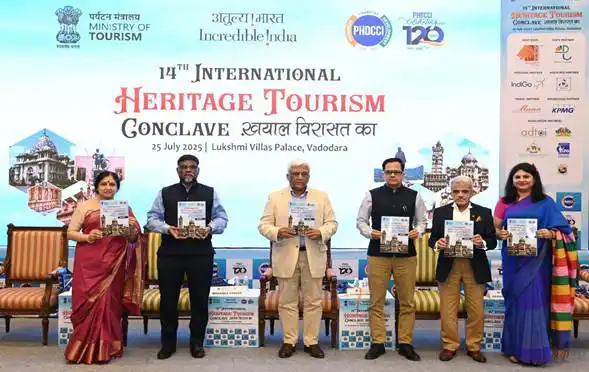
Gujarat, a state rich in historical legacy and cultural vibrancy, recently showcased its immense heritage tourism potential at the 14th International Heritage Tourism Conclave held in Vadodara. The conclave brought together an impressive gathering of tourism heads, conservation architects, government officials, historians, and members of royal families, all united by a common theme: strategies for scaling up tourism in India, particularly in Gujarat. This summit served as a pivotal platform to address the pressing need to preserve and utilize the state’s abundant heritage resources for future generations.
One of the central discussions revolved around the untapped potential of Gujarat’s many heritage properties. Despite boasting a plethora of historical forts, palaces, and princely estates, many of these significant sites remain largely unnoticed by tourists and are underutilized in terms of preservation and conservation efforts. The Secretary of Gujarat Tourism emphasized the importance of collaborating with the state government to develop engaging experiences that center around these invaluable heritage assets. He highlighted that during India’s struggle for independence, Gujarat was home to the largest number of princely states in the country, resulting in an extensive array of historical sites that could be harnessed to boost tourism.
Gujarat’s remarkable heritage includes majestic structures like the Lukshmi Vilas Palace, where the conclave took place. This venue itself stands as a testament to the architectural grandeur of the state, providing an ideal backdrop for discussions on the future of tourism in the region. It was noted that while many properties hold immense historical value, they often lack the visibility needed to attract visitors. Therefore, the government has initiated programs aimed at enhancing the accessibility and appeal of these sites, merging heritage with modernity to create a more inviting atmosphere for travelers.
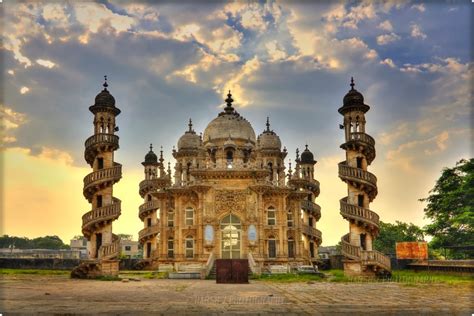
The conclave also spotlighted the synergy between heritage properties and the local cottage industry. The Secretary advocated for heritage property owners to collaborate with artisans, allowing them to showcase their craftsmanship alongside the historical narratives of the sites. This partnership not only enriches the tourist experience but also plays a crucial role in preserving local culture and craftsmanship. By integrating artisan work into the tourism experience, visitors gain a more authentic insight into Gujarat’s rich heritage.
In addition to promoting collaboration, the conclave addressed the importance of preservation. It was underscored that while some heritage properties are being maintained, a broader commitment to conservation is essential. As tourism increases, so too does the risk of damage to these historical sites. Therefore, it is imperative that preservation practices evolve in tandem with tourism development, ensuring that these landmarks continue to be valued by future generations. The discussions emphasized a proactive approach, encouraging property owners to take a more active role in safeguarding their estates.
Participants at the conclave also reflected on the cultural and historical significance of Gujarat’s heritage. The state has a rich artistic legacy, notably through the patronage of art by princely families. This historical support for art and culture is still evident today in various institutions across the state, such as the renowned Maharaja Sayajirao University in Vadodara. Known for its departments of art, music, and drama, as well as its impressive collection of manuscripts, the university embodies the artistic spirit of Gujarat, making it an integral part of any heritage tourism itinerary.
Furthermore, the conclave encouraged the exploration of innovative ways to market Gujarat’s heritage tourism potential to a global audience. By focusing on the unique stories behind each heritage site and the cultural richness that defines the state, stakeholders can develop compelling narratives that resonate with potential travelers. This approach not only enhances the appeal of Gujarat as a travel destination but also fosters a deeper appreciation for its history and culture.
As the conclave concluded, it became evident that the collaborative efforts between government entities, private stakeholders, and local artisans are paving the way for a sustainable and engaging tourism model. With a rich historical legacy and a commitment to preserving its cultural heritage, Gujarat is poised to emerge as a leading player in India’s tourism market. The joint initiatives discussed at the conclave will undoubtedly contribute to transforming Gujarat into a primary heritage tourism destination, attracting visitors eager to explore its vast cultural landscape.
Ultimately, the 14th International Heritage Tourism Conclave in Vadodara unveiled a promising future for Gujarat’s tourism sector. By harnessing its historical assets and fostering partnerships that celebrate local craftsmanship, the state is set to redefine its tourism narrative. As the world becomes increasingly interested in authentic travel experiences, Gujarat stands ready to offer a treasure trove of heritage waiting to be explored.