
In 2025, the dynamics of travel in the United States reveal a fascinating yet contradictory scenario. On one hand, outbound travel from the U.S. is experiencing unprecedented growth, while on the other, inbound tourism is witnessing a significant decline. This paradox creates both challenges and opportunities, particularly for the Duty Free and Travel Retail sectors. According to recent findings from m1nd-set, these contrasting trends underscore the shifting patterns in international travel and highlight substantial possibilities for retailers aiming to engage the American market effectively.
Outbound Travel Surge: Americans Leading Global Departures
The United States has emerged as a dominant force in outbound international travel, accounting for 10% of all global departures. This surge is primarily driven by favorable exchange rates that make international destinations more appealing and an increasing desire among Americans to explore beyond their borders amid growing political and social polarization at home. Major airports like New York JFK, Miami, Los Angeles, Atlanta, and Chicago have transformed into key hubs for international departures. American travelers are gravitating towards iconic cities such as London, Cancun, Paris, Mexico City, and Amsterdam, reflecting their diverse interests across various regions.

Despite this enthusiasm for outbound travel, there exists a troubling counterpart: a significant decrease in inbound tourism to the United States. The implications of this decline are dire, especially for the Duty Free and Travel Retail industries that rely heavily on foreign visitors to sustain sales in airports and duty-free shops.
Inbound Tourism Decline: A Projected $12.5 Billion Loss
In stark contrast to outbound travel, the U.S. has experienced a dramatic downturn in inbound tourism. As of March 2025, there was a reported 12% year-on-year drop in the number of visitors. Projections suggest that the total decline for the entire year could reach 9%, translating into a staggering loss of between $8.5 billion and $12.5 billion in foreign visitor spending. Several factors contribute to this downturn, including geopolitical tensions, restrictive immigration policies, and a growing negative sentiment abroad toward the U.S. These elements, combined with increased travel advisories, have led many potential tourists to seek alternative destinations in Europe and the Americas.
This decline poses a significant threat to industries reliant on foreign spending, particularly the Duty Free sector, where international visitors typically account for a substantial portion of retail sales. The ongoing decrease in inbound tourism not only threatens the stability of U.S. travel retail but also highlights an urgent need for strategic adaptation in response to changing global travel patterns.
Duty Free Shopping: High Spending, Low Engagement
Despite being among the top global spenders, with an average transaction value of $150 per visit, American travelers exhibit lower engagement levels with Duty Free shopping compared to the global average. Research from m1nd-set indicates that U.S. travelers demonstrate higher conversion rates when shopping in Duty Free environments abroad (68%) than within the United States (56%). This disparity emphasizes a critical opportunity for U.S. retailers to enhance the in-store experience to drive greater engagement and increase conversion rates.
One reason behind this disconnect may be the lack of awareness among American shoppers regarding the benefits of Duty Free shopping or insufficient targeted marketing efforts to engage them effectively. This presents a unique chance for retailers to create compelling shopping environments that entice more Americans to visit Duty Free stores and make purchases.
Emotional Drivers and Impulse Buying: The Key to Engagement
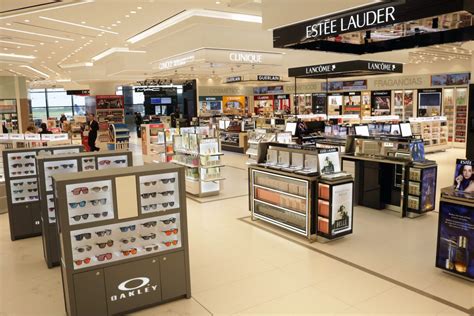
Emotional factors significantly influence shopping behavior, especially in Duty Free environments. According to m1nd-set, 64% of Americans who visit Duty Free stores do so spontaneously, driven by store aesthetics, curiosity, and the desire to browse. Many shoppers are influenced by the overall design and atmosphere of the store, as well as the opportunity to discover new products and experiences.
This insight reveals a major opportunity for retailers to enhance store layouts and product displays in ways that ignite curiosity and draw shoppers in. Furthermore, pre-planning plays a crucial role in American travelers’ Duty Free shopping behavior; nearly 75% of U.S. travelers report planning their Travel Retail shopping ahead of time, with 44% intending to shop at airports and 30% identifying specific items they wish to purchase. This indicates an openness to planned Duty Free shopping, yet highlights the need for enticing offers and a seamless shopping experience to convert interest into actual purchases.
The Importance of Customer Service: Elevating the Shopping Experience
Research conducted by m1nd-set underscores the pivotal role that customer service plays in influencing American shoppers’ purchasing decisions. American travelers are more likely to interact with sales staff than their global counterparts, and these interactions can significantly impact their shopping behavior. A proactive and knowledgeable sales team is crucial for driving conversion rates, while poor service or a lack of product knowledge can deter potential purchases.
Retailers must prioritize training their staff to be engaging, knowledgeable, and responsive to customer needs. Enhancing the customer service experience can lead to increased conversions and foster brand loyalty, encouraging repeat visits to Duty Free stores both domestically and internationally.
Strategies for Boosting Engagement and Conversion
To fully unlock the potential of American travelers within the Duty Free and Travel Retail markets, retailers must reassess their approach to engaging this high-value segment. Enhancing the overall shopping experience is paramount. This involves improving store aesthetics, leveraging digital technologies to streamline shopping processes, and offering clear value propositions to consumers.
Retailers should also empower their front-line staff with the necessary training and resources to meet the expectations of modern travelers. By positioning Duty Free shopping as an integral part of the travel experience rather than an afterthought, retailers can change the perception of U.S. travelers, transforming it into a must-do activity rather than a casual occurrence.
Fostering an emotional connection with customers, alongside offering competitive pricing, will be essential for driving higher conversion rates and overall sales. Creating compelling promotions and experiences that resonate with American shoppers can cultivate a loyal customer base eager to engage with Duty Free offerings.
Conclusion: Unlocking the Full Potential of U.S. Travelers
Despite the current challenges faced by the U.S. retail travel sector, American shoppers represent one of the most valuable and untapped segments for the global Duty Free and Travel Retail industries. By focusing on enhancing store experiences, leveraging emotional triggers, and investing in customer service, retailers have a unique opportunity to boost engagement and increase sales. Although current trends indicate a slower uptake, the potential for growth remains robust, and with the right strategies in place, U.S. travelers can become a significant driving force in the future of Duty Free and Travel Retail shopping worldwide.