Duty-free shopping has become synonymous with international travel, offering travelers the chance to purchase select goods without the burden of local taxes. Yet, despite its familiarity, the true meaning of duty-free, how it works, and how to make the most of it remain misunderstood by many. In this in-depth guide, we examine the duty-free concept, its legal structure, geopolitical context, and its economic impact on global retail — along with best practices to help travelers avoid costly missteps.
Understanding Duty-Free: What It Really Means
At its core, duty-free refers to goods sold without the inclusion of local import, value-added (VAT), or excise taxes. This exemption occurs because the point of sale exists in a legal grey area — typically in international transit zones, such as airports or onboard international cruises — where the sovereignty of a specific country’s tax code is temporarily suspended.
When a traveler buys a bottle of whiskey or a designer perfume in a duty-free store, they are acquiring the item without paying the taxes that would normally be levied if purchased domestically. The principle is grounded in international trade regulations and customs treaties, which allow such sales under strict conditions.
The Geopolitical “Transit Zone” Explained
After passing through immigration and security checks at an airport, travelers enter a transit zone — often referred to as “no man’s land.” In this liminal space, a traveler has technically exited their country of origin but has not yet entered the legal jurisdiction of their destination. Local laws, particularly those involving taxation, cease to apply.
This legal vacuum allows duty-free retailers to sell goods without applying domestic taxes, since the sale doesn’t occur under the jurisdiction of the departing or arriving country. These shops are only accessible to international travelers because such exemptions are only allowed when merchandise crosses national boundaries.
What Can You Buy Duty-Free?
Duty-free stores typically carry high-taxed goods, where the absence of duties translates into notable savings:
-
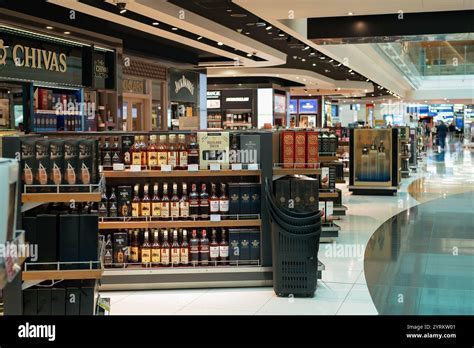
Alcohol (wine, spirits, liquors)
-
Tobacco products (cigarettes, cigars)
-
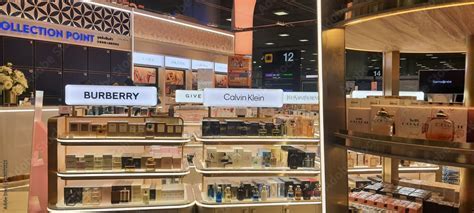
Perfumes and cosmetics
-
Luxury chocolates and confections
-
High-end watches and accessories
These products often carry steep import or consumption taxes in many countries. Thus, buying them duty-free can offer genuine value — but only under the right circumstances.
How Duty-Free Works in Practice
To illustrate, consider a tourist departing from Paris Charles de Gaulle Airport who wishes to buy perfume. If purchased from a city store like Galeries Lafayette, the shopper will pay a 20% VAT. Buying the same perfume inside the airport’s duty-free zone, however, waives this tax — offering significant savings.
However, if the traveler returns to the United States, and the value of the purchased goods exceeds $800, they may still need to declare and pay duty upon re-entry. Fortunately, U.S. Customs and Border Protection (CBP) offers personal exemptions:
-
$200 minimum exemption for all travelers
-
$800 for most international returnees
-
$1,600 if returning directly from U.S. insular possessions
Duty-Free at Sea and Beyond Airports
While most associate duty-free shopping with airports, it’s also common on cruise ships and ferries. Onboard stores remain closed while docked, but once in international waters — beyond a country’s legal reach — they may operate without enforcing taxes.
Similarly, many seaports and international train stations offer duty-free sales. These venues must be officially designated, and purchases typically require a valid travel document to verify cross-border movement.
Key Considerations Before Buying Duty-Free
While duty-free shopping presents enticing bargains, travelers should remain strategic. Not all purchases are good deals, and certain restrictions can negate any potential benefit.
1. Know Your Exemption Limits
Your exemption threshold depends on your country of residence, travel itinerary, and product type. For example, alcohol and tobacco have specific volume caps:
-
1 liter of alcohol duty-free when entering the U.S.
-
200 cigarettes or 100 cigars per traveler
Purchasing more than these limits subjects you to import duties and possible confiscation.
2. Understand Airline Regulations
If you purchase liquor or perfume exceeding 100ml, ensure it’s placed in a sealed tamper-evident bag with the receipt visible. This is critical when transferring flights or going through multiple security checkpoints. If the packaging appears opened or suspicious, security may confiscate the items, regardless of purchase legitimacy.
3. Compare Prices Beforehand
Contrary to popular belief, duty-free isn’t always cheaper. In some regions, particularly where domestic prices are already low (such as parts of Asia), duty-free prices may be comparable or even higher. Always compare prices across three locations:
-
Home country retail stores
-
Destination country shops
-
Airport duty-free outlet
4. Choose the Right Payment Method
Duty-free purchases occur abroad and in foreign currencies. Use a credit card with no foreign transaction fees to avoid hidden costs. Recommended cards include:
-
Chase Sapphire Preferred® Card
-
Capital One Venture Rewards Credit Card
-
Citi Strata Premier℠ Card
Arrival Duty-Free: An Overlooked Opportunity
While most travelers rush through departure duty-free, many airports offer arrival duty-free shopping. Upon landing, especially in countries with high alcohol and tobacco taxes like Australia or Norway, travelers can buy products before clearing customs.
This often provides better flexibility and allows buyers to comply with destination-specific import limits while avoiding the risk of in-flight damage or seizure.
Tax Refunds vs. Duty-Free: Know the Difference
Duty-free is often confused with VAT tax refunds, especially in Europe. However, these are distinct processes:
-
Duty-Free: No tax applied at point of sale (in transit zone)
-
Tax Refund: Tax is paid at purchase, and later reimbursed at departure, often after paperwork submission and inspection
Both offer tax relief, but only duty-free purchases involve no upfront tax.
Is Duty-Free Always Worth It?
Not necessarily. The perceived savings can be deceptive. Some luxury brands maintain uniform international pricing, which means duty-free discounts may only offset tax—not reduce total cost.
Still, for heavily taxed items like tobacco and spirits, the savings can be considerable. Just ensure that your purchase aligns with:
-
Import allowance regulations
-
Your travel itinerary
-
Airport and airline security policies
Final Thoughts: Duty-Free as a Global Retail Strategy
Beyond being a tourist perk, duty-free retailing is a multibillion-dollar industry fueled by complex tax laws, consumer psychology, and the allure of international luxury. Global players like Dufry, Heinemann, and DFS Group operate across continents, transforming airport corridors into high-end shopping boulevards.
What began as a tax exemption has become a strategic retail channel. The psychology of scarcity (only available in transit), combined with the perceived exclusivity, sustains consumer demand and fuels the industry’s growth.
FAQs About Duty-Free Shopping
What does “duty” mean in duty-free?
“Duty” refers to taxes levied on goods, often including import tariffs, VAT (Value Added Tax), or excise duties. “Duty-free” means that these charges are not applied at the point of sale, typically in designated international zones.
Can I shop duty-free on domestic flights?
No. Duty-free is only available to international travelers crossing national borders. Domestic flights do not qualify, as the goods never leave the country’s jurisdiction.
What happens if I exceed my duty-free allowance?
If you exceed the legal exemption threshold, you must declare the goods upon re-entry. Customs may charge you a duty fee based on the item’s value, and in some cases, may seize the goods if they violate import restrictions.