Understanding the Meaning and Significance of Mayday in Aviation and Maritime Communication
In the world of aviation and maritime operations, there are few words as powerful, universally understood, and potentially life-saving as “Mayday.” This internationally recognized distress signal signifies imminent danger, triggering an immediate and coordinated emergency response.
The word “Mayday” may sound simple, but its implications are profound. It is derived from the French phrase “m’aider,” which translates directly to “help me”. When spoken over a radio, this word cuts through the static and protocol to demand the full attention of all listeners, signaling that lives may be in peril and action must be taken without delay.
From cockpit emergencies to shipboard crises, the call of Mayday acts as a lifeline — a code that transcends language barriers and operational boundaries, compelling those in range to prioritize rescue and mitigation efforts. In this article, we explore the historical roots, standardized protocols, technical mechanisms, and critical importance of the Mayday distress call in global transportation systems.

The Origin of the Term Mayday
The term “Mayday” was officially adopted in the early 1920s as radio communication became a standard tool in international travel. Its phonetic simplicity and linguistic accessibility made it ideal for clear radio transmission, even under high-stress conditions. Originating from the French term venez m’aider (“come help me”), the phrase was shortened to “m’aider”, eventually anglicized into “Mayday.”
The choice of a French-derived term was strategic. At the time, English and French were the dominant languages in international aviation and maritime affairs. Therefore, “Mayday” served as a linguistic bridge, ensuring comprehension across national boundaries and aligning with the goals of international cooperation and safety standards.
Standardized Protocol for Declaring a Mayday
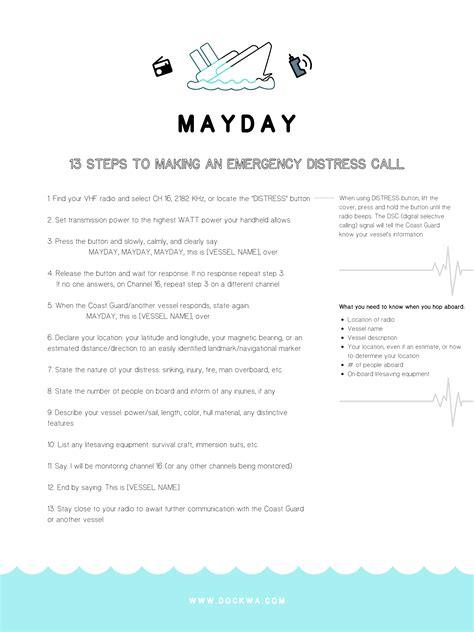
In both aviation and maritime sectors, the use of the Mayday distress call is governed by strict protocols. These are not arbitrary rules but internationally sanctioned procedures developed to optimize communication clarity, minimize confusion, and ensure swift mobilization of emergency resources.
When a pilot or captain declares a Mayday over the radio, the following structure is typically observed:
-
The word “Mayday” is spoken three times to distinguish it from other types of communication.
-
The name or call sign of the vessel or aircraft in distress is stated.
-
Position, nature of the emergency, and type of assistance required are clearly communicated.
For example: “Mayday, Mayday, Mayday — Delta 1483, engine fire, 50 miles north of Miami, descending to 5,000 feet. Request emergency landing.”
This specific structure ensures the message is unmistakable and can be immediately prioritized.
When Is a Mayday Call Used?
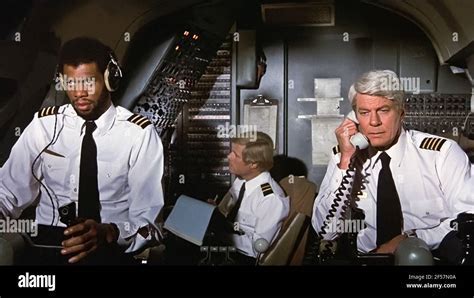
Not every emergency qualifies for a Mayday call. Its use is strictly reserved for life-threatening or catastrophic situations that demand immediate intervention. These include but are not limited to:
-
Engine failure at high altitude or during takeoff/landing
-
Loss of cabin pressure or control surfaces
-
Fire onboard the aircraft or vessel
-
Medical emergencies where life is in imminent danger
-
Severe weather conditions leading to loss of navigational control
The decision to issue a Mayday is a grave one, often made within seconds, and relies on the professional judgment of the pilot or shipmaster.
Universal Recognition and Legal Priority
The power of the Mayday call lies in its universality. Regardless of location, language, or jurisdiction, the word “Mayday” is legally recognized as an international emergency signal. Once transmitted, it immediately invokes priority handling by all receiving stations, including:
-
Air Traffic Control (ATC)
-
Search and Rescue (SAR) operations
-
Nearby aircraft or vessels capable of rendering assistance
This means airspace or sea-lanes can be cleared instantly, emergency personnel dispatched, and landing or docking priority granted — often with a level of urgency seen in military operations.
Technical Aspects of Mayday Communication
The technical communication of a Mayday call happens over dedicated emergency frequencies. In aviation, these include:
-
121.5 MHz (VHF) — International emergency frequency
-
243.0 MHz (UHF) — Military emergency channel
Pilots are trained to switch to these frequencies and transmit the Mayday call even if primary channels are congested or unavailable. Digital technologies such as ACARS (Aircraft Communications Addressing and Reporting System) may also assist in relaying distress data.
In maritime settings, similar procedures are employed using VHF Channel 16 and Digital Selective Calling (DSC) systems, ensuring that the call is both audible and traceable.
Emergency Response and Resource Coordination
Once a Mayday call is received, a complex chain of response mechanisms is activated. These involve:
-
Immediate confirmation of the distress message
-
Assessment of location, risk, and needed resources
-
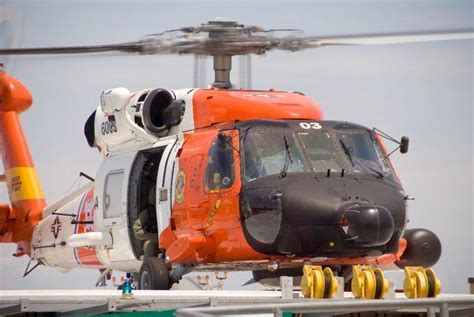
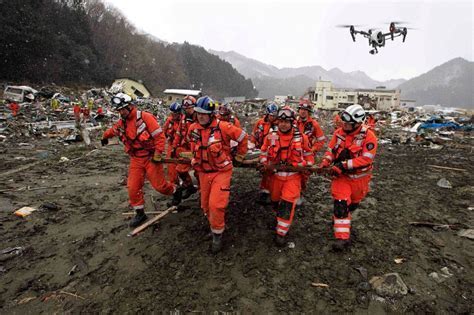
Mobilization of SAR units, such as helicopters, emergency medical teams, and naval patrols
-
Continuous communication to track movement, weather updates, and rescue progress
The coordination between local, national, and international rescue services is a testament to the global framework for emergency readiness, established through treaties like the International Civil Aviation Organization (ICAO) and the International Maritime Organization (IMO).
Mayday vs. Other Emergency Signals
Understanding the distinction between Mayday and other emergency phrases is crucial. For instance:
-
Pan-Pan (from the French “panne,” meaning breakdown) is used for urgent situations that do not pose an immediate threat to life, such as minor technical issues or navigation problems.
-
Sécurité is used to convey safety-related information that could affect others in the vicinity, such as weather alerts or navigation warnings.
Using the wrong phrase can result in misallocated resources or delayed response times — which in emergencies, can mean the difference between life and death.
The Importance of Training and Protocol Adherence
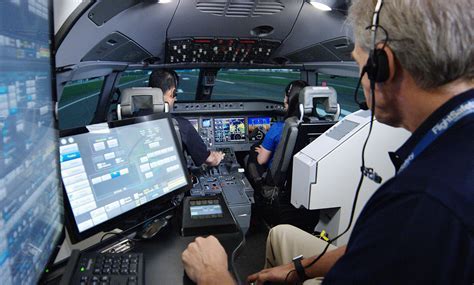
The ability to declare a Mayday call effectively is not innate. It is the result of rigorous training, adherence to standard operating procedures (SOPs), and situational awareness. Pilots and mariners undergo simulation-based education to practice issuing Mayday calls under varied emergency scenarios.
This ensures that in the real moment of crisis, they remain composed and communicate with clarity, enabling the rapid activation of lifesaving resources. Equally, air traffic controllers and maritime operators are trained to interpret and respond to Mayday calls with decisiveness and speed.
Real-World Incidents Involving Mayday Calls
Numerous aviation and maritime incidents highlight the critical role of Mayday in disaster mitigation. For instance:
-
In US Airways Flight 1549, famously dubbed the “Miracle on the Hudson,” Captain Chesley Sullenberger declared a Mayday after dual engine failure due to bird strike. The effective use of emergency procedures saved all 155 onboard.
-
The sinking of the MS Estonia in 1994 saw delayed and misunderstood Mayday signals, resulting in 852 fatalities. The tragedy emphasized the need for standardized communication and training.
Such cases reinforce that while technology plays a key role, human communication and judgment remain at the core of emergency survival.
Conclusion: The Critical Role of “Mayday” in Saving Lives
The Mayday distress call stands as one of the most powerful tools in global transportation safety. It compresses urgency, clarity, and action into a single word, unlocking an international network of emergency responders that mobilize within seconds. From its historical origins to modern digital enhancements, Mayday remains a symbol of coordinated crisis response and life-saving intervention.
As aviation and maritime traffic continue to grow in complexity and volume, understanding and respecting the power of Mayday is essential for professionals across the globe. It is not merely a signal—it is a safeguard, a lifeline, and a universal call to action.
FAQs
What is the difference between Mayday and Pan-Pan?
Mayday indicates an immediate, life-threatening emergency requiring urgent assistance. Pan-Pan, on the other hand, signals an urgent situation that does not pose a direct threat to life. Using the correct term ensures appropriate prioritization by emergency services.
Why is “Mayday” repeated three times?
Repeating “Mayday” three times ensures clarity and emphasis in radio communication, especially under noisy or chaotic conditions. It also distinguishes it from routine or misheard transmissions.
Is “Mayday” only used in aviation?
No, “Mayday” is also extensively used in maritime operations and recognized internationally in both sectors. Its usage across industries underscores its role as a universal emergency signal.