In aviation, “overflying” is a term that, while seemingly straightforward, holds specific operational meaning. It typically refers to an aircraft that was initially scheduled or expected to make a stop at an intermediate airport, but continues past that location without actually landing. This can occur due to a change in weather conditions, updated fuel calculations, or rerouting decisions made en route. Understanding this term is essential for passengers tracking flights in real-time and aviation enthusiasts decoding flight behavior.
The Technical Definition of Overflying
In flight operations, overflying happens when an aircraft enters the airspace of an airport it was originally scheduled to land at, but does not actually stop. The term often applies when:
- A diversion was planned but later cancelled.
- A technical stop (typically for fuel) was anticipated but became unnecessary.
- A routing change allows the aircraft to continue to its final destination without interruption.
Contrary to casual interpretation, overflying doesn’t necessarily mean flying over a geographic location. It more accurately means bypassing a planned stop, often a procedural or strategic adjustment rather than a navigational one.
Why Airlines Overfly a Scheduled Stop
The decision to overfly is not made lightly. It is grounded in multiple real-time variables that impact flight safety and operational efficiency. The most common reasons include:
1. Weather-Related Rerouting
Aircraft often have to divert from their original paths due to severe weather systems, such as thunderstorms or hurricanes. A temporary plan might include a refueling stop at a nearby airport. However, if the weather clears or a more efficient path becomes available, the crew might skip that stop altogether.
2. Fuel Calculations and Efficiency
Modern aircraft use dynamic fuel monitoring systems. These allow pilots and dispatchers to continuously evaluate fuel reserves. If an aircraft is burning less fuel than anticipated or tailwinds are stronger than expected, the need for a technical stop may be removed. Overflying then becomes the logical outcome.
3. ATC (Air Traffic Control) Optimization
Sometimes, air traffic controllers offer an aircraft a more direct route after takeoff. These optimized paths can reduce flight time and fuel burn, making an intermediate stop unnecessary. The pilot-in-command, after consulting with the airline’s operations center, may decide to continue directly to the destination.
Case Example: From EWR to DEN via ATL (Or Not)
To illustrate, let us consider a hypothetical flight scheduled to operate from Newark Liberty International Airport (EWR) to Denver International Airport (DEN). Originally, due to a storm system in the Midwest, the aircraft planned to stop in Atlanta (ATL) for refueling or weather monitoring. However, as the flight progressed, the crew received updated meteorological reports and favorable routing data. The need for the ATL stop was eliminated, and the aircraft flew directly to Denver—overflying ATL in the process.
This scenario matches real accounts from forums such as r/unitedairlines, where passengers and observers using flight tracking tools like Flightradar24 noticed route changes in real-time.
Overflying in Flight Tracking and Passenger Experience
For the average passenger or aviation hobbyist monitoring flights online, overflying can appear confusing. A stop may be listed in early routing data or preliminary schedules but not occur during the actual flight. This creates discrepancies between expectation and execution. However, these are typically the result of dynamic, in-flight decisions based on data not available to the public at the time of departure.
Airlines do not always update public itineraries or flight tracking displays to reflect mid-flight route alterations, unless the change is significant. Therefore, an overfly situation may appear to the public as a discrepancy, when in fact it is a strategic operational adjustment.
Regulatory and International Overflying Rights
Overflying has another, separate meaning in international airspace regulations. When an aircraft passes through the airspace of a country without landing, it is considered to be overflying that nation. For this, airlines must obtain overflight rights, often through bilateral or multilateral agreements. These rights are critical for international carriers.
For example, a European airline flying from Germany to India may pass over Iranian or Turkish airspace. Each of those airspace crossings requires explicit permission from the relevant aviation authorities, and often involves airspace usage fees.
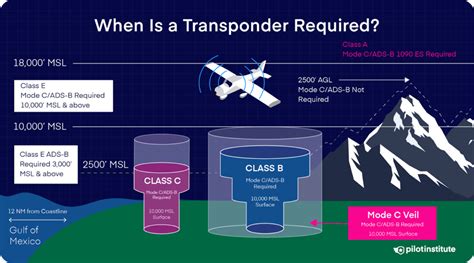
These overflight rights are administered by bodies such as the ICAO (International Civil Aviation Organization) and involve political, economic, and logistical negotiations. Violation of such rights can lead to diplomatic incidents, airspace bans, or fines.
Strategic Implications for Airlines and Pilots
Overflying, when executed correctly, enhances both operational flexibility and cost efficiency. Pilots, airline dispatchers, and flight operations teams are trained to evaluate the advantages and risks of skipping a planned stop. Factors influencing such a decision include:
- Fuel load margins and burn rates
- Real-time weather updates and turbulence reports
- Aircraft performance parameters, including payload
- Crew duty limits and rest requirements
When these align in favor of skipping a stop, the flight can proceed more quickly, with reduced costs, and improved on-time performance.
However, these decisions are not taken in isolation. They require coordination with multiple stakeholders, including air traffic control, airline operations centers, and in some cases, governmental aviation authorities.
Passenger Impact and Communication
In most overflying scenarios, passengers are not impacted negatively. In fact, they often benefit from shorter flight times and reduced delays. Nevertheless, lack of clear communication can lead to confusion, especially when flight tracking apps show unplanned or cancelled stops.
Some airlines may choose to update gate announcements or provide in-flight briefings to clarify overfly decisions. When stops like fuel layovers are announced before departure and then skipped, travelers may have concerns about flight range or safety, even though such concerns are unfounded.
Conclusion: A Term Rooted in Operational Precision
The term “overflying”, while casually thrown around by frequent flyers and enthusiasts, represents a highly calculated aviation maneuver. It is not merely flying over a city or skipping a random point—it is a strategic decision made with full awareness of aircraft capabilities, meteorological conditions, regulatory permissions, and efficiency gains.
Understanding this term offers insight into the complex ecosystem of airline operations, where every decision—from fuel planning to rerouting—is dynamically responsive to real-world data. Overflying, in essence, embodies the flexibility and precision of modern aviation.