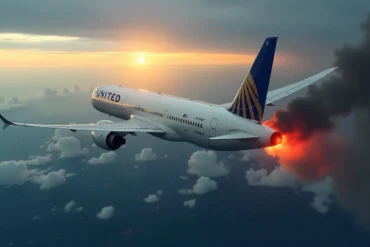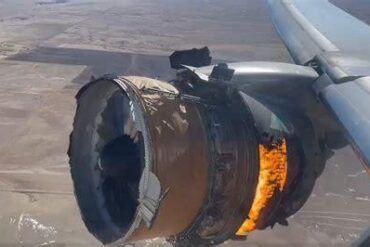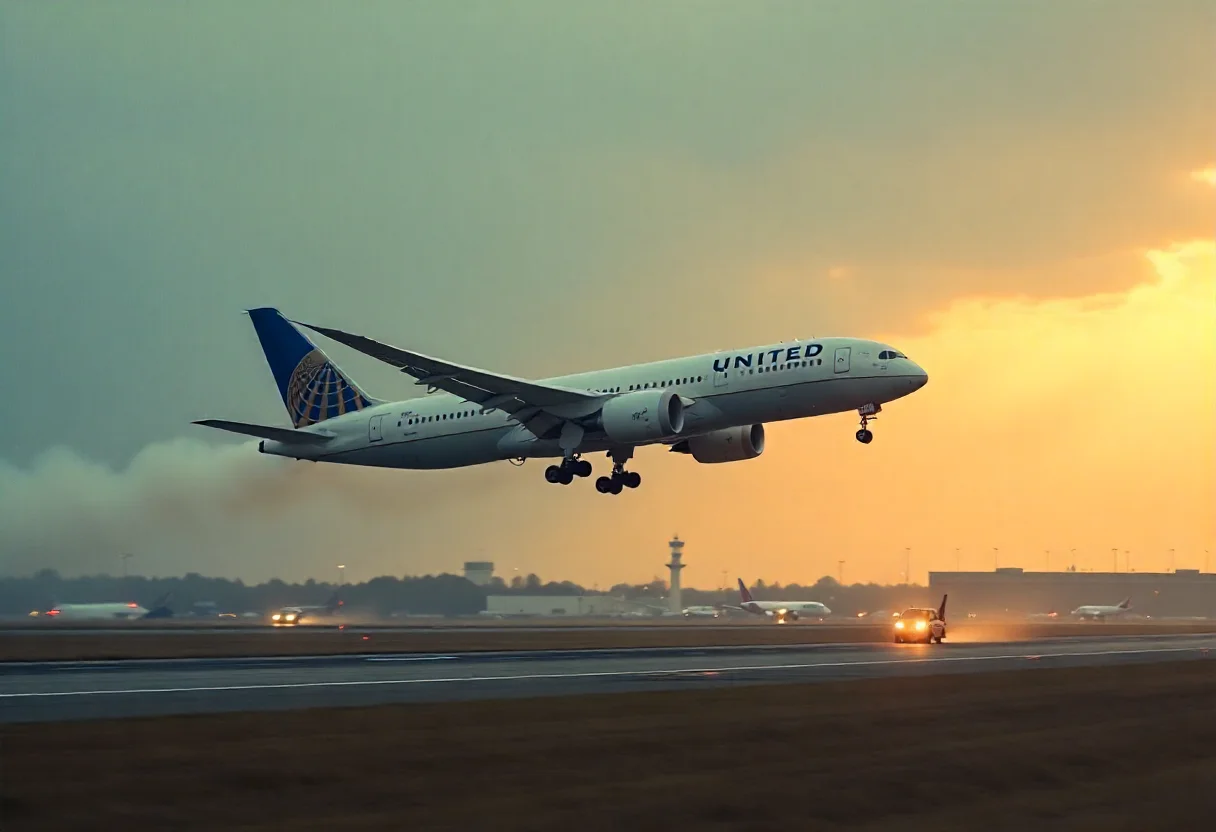
On July 25, 2025, passengers aboard United Airlines Flight UA108 faced a harrowing ordeal when the Boeing 787-8 Dreamliner bound for Munich from Washington Dulles International Airport experienced a catastrophic engine failure shortly after takeoff. The incident unfolded just minutes after departure at 5:40 PM local time, when the aircraft’s left engine suffered a severe malfunction, forcing the crew to issue a “MAYDAY” distress call that would set in motion a complex sequence of emergency procedures.
A Flight Turns Into a Life-or-Death Struggle
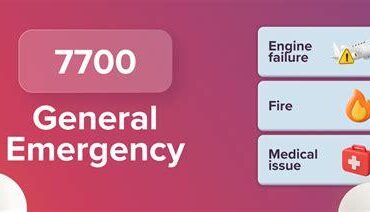
The crew of Flight UA108 quickly realized the severity of the situation. In commercial aviation, an engine failure during the initial climb phase—when the aircraft is heavy with fuel and still low in altitude—presents a critical emergency scenario. According to flight tracking data from Flightradar24, the aircraft leveled off at approximately 6,000 feet, entering a series of carefully coordinated holding patterns as the pilots assessed their options and initiated emergency checklists. The decisive action of declaring a double Mayday not only informed air traffic control of the gravity of the emergency but also ensured that all ground support teams were on immediate standby.
Fuel Dumping: The Crucial Step to Enable a Safe Landing
One of the first steps taken by the pilots was to initiate a fuel dumping procedure, a highly regulated but rarely performed maneuver essential in emergencies when a heavy aircraft needs to land well below its takeoff weight. The Boeing 787-8, configured for a transatlantic flight to Munich, carried a significant fuel load, making an immediate return to Dulles impossible without offloading weight. Over the course of several wide holding patterns stretching up to 15 miles from the airport, the crew methodically jettisoned fuel, balancing the aircraft’s weight for a safe emergency landing while also extending time aloft to troubleshoot and stabilize remaining systems.
Expert Coordination Between Cockpit and Control Tower
Throughout the incident, the collaboration between the United Airlines flight crew and air traffic controllers at Washington Dulles proved critical. The Mayday call triggered priority routing and ground preparations, with runways cleared and emergency services pre-deployed. While passengers onboard were likely unaware of the full extent of the technical crisis, the cockpit crew maintained constant communication with air traffic control, ensuring a seamless coordination of procedures that minimized risk. This calm and structured approach reflects the depth of training commercial pilots undergo for engine-out scenarios and underscores why these drills are central to aviation safety programs worldwide.
The Boeing 787 Dreamliner’s Safety Features in Action
The Boeing 787 is designed with redundant safety systems precisely for contingencies like engine loss. Despite the left engine failure, the right engine maintained sufficient thrust for controlled flight, allowing the pilots to remain airborne while preparing for the emergency landing. Modern Dreamliners are equipped with advanced fly-by-wire flight control systems, which help stabilize the aircraft even under asymmetric thrust conditions. This technological resilience, combined with pilot skill, gave Flight UA108 the crucial buffer it needed to avert disaster.
Inside the Cockpit: Training Meets Reality
For pilots, an engine failure on takeoff represents one of the most demanding situations they can face. It requires split-second decision-making to balance aircraft control, emergency checklist execution, and crew coordination under immense pressure. The training regimen for United Airlines pilots includes extensive simulator sessions on precisely these kinds of events, reinforcing both the technical and psychological skills needed to stay calm in the cockpit. In this case, their decisive execution of emergency protocols—from the dual Mayday calls to fuel dumping and managed holding patterns—demonstrated not only procedural expertise but a deep commitment to passenger safety.
The Return to Dulles: A Textbook Emergency Landing
After burning and dumping enough fuel to reach a safe landing weight, Flight UA108 aligned for its return to Washington Dulles. Observers on the ground, as well as tracking data, show the aircraft performing controlled approaches, ensuring all conditions for a safe landing were met. The landing itself was executed flawlessly, with no injuries reported among passengers or crew. Emergency services on standby were not needed beyond precautionary inspections, highlighting how preparation and training can transform a potential catastrophe into a manageable incident.
Why This Incident Matters for Aviation Safety
This emergency serves as a powerful reminder of the safety-first culture that defines modern commercial aviation. Engine failures, while rare, are accounted for in every level of aircraft design, crew training, and operational planning. The Boeing 787’s ability to fly safely on a single engine, combined with pilot training that emphasizes quick yet methodical decision-making, shows why air travel remains among the safest modes of transportation. Moreover, it illustrates the critical role of teamwork—not just in the cockpit but across the aviation ecosystem, from air traffic controllers to ground operations.
Lessons Learned and Industry Takeaways
The July 25 incident underscores several key takeaways for the aviation industry:
- Redundancy Saves Lives: Aircraft like the Boeing 787 are designed to handle the loss of one engine without compromising control or safety.
- Training Is Everything: The crew’s performance reflects the intensive emergency preparedness programs airlines enforce for their pilots.
- Communication Prevents Chaos: Clear Mayday calls and ongoing coordination with air traffic control ensured everyone involved could respond effectively.
The Bigger Picture: Passenger Safety and Trust
While many passengers aboard Flight UA108 may not have fully understood the complexity of the emergency unfolding in real time, their safe return reflects why the flying public can place immense trust in commercial aviation. Every successful handling of a high-stakes situation like this reinforces confidence in the industry’s robust safety protocols. The United Airlines crew’s actions were not just procedural—they were lifesaving, demonstrating why highly trained pilots remain the last line of defense against in-flight emergencies.
Conclusion: Professionalism Under Pressure Saves Lives
What could have been a tragedy instead became a story of professionalism, skill, and calm under pressure. Thanks to quick thinking, flawless execution of safety protocols, and the Boeing 787’s advanced systems, United Airlines Flight UA108 landed without incident, ensuring that all passengers and crew walked away unharmed. This event stands as a powerful reminder of how modern aviation blends cutting-edge technology with human expertise, ultimately transforming moments of crisis into testaments of resilience and safety.