On July 7, 2017, Air Canada Flight 759, an Airbus A320, was involved in one of the closest near-miss incidents in modern aviation history. What could have easily turned into a catastrophic crash was averted due to the swift actions of the flight crew and quick intervention from air traffic control. The events of that day serve as a stark reminder of the delicate balance between technology and human error in aviation. This article dives into the details of that fateful flight and how the incident led to significant safety reforms within the industry.
The Close Call: Flight 759’s Near Miss at San Francisco International Airport
Air Canada Flight 759, with 140 passengers on board, was scheduled to land at San Francisco International Airport (SFO) on runway 28R. However, the flight crew made a critical error by mistakenly aligning the aircraft with Taxiway C, a taxiway that was already occupied by four planes waiting for takeoff. As Flight 759 descended, it came dangerously close to landing on the taxiway, passing just 100 feet above the waiting aircraft. In those tense final moments, the flight crew decided to initiate a go-around maneuver, avoiding what could have been a major tragedy.
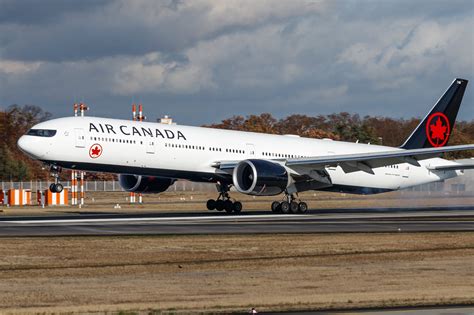
This near-miss prompted an immediate investigation by the National Transportation Safety Board (NTSB), which would go on to uncover several contributing factors. While the crew’s quick response saved lives, the investigation revealed significant shortcomings in both pilot protocols and air traffic control processes.
Contributing Factors: A Perfect Storm of Errors
The NTSB’s investigation found several key factors that contributed to the incident, which included pilot error, poor communication, and failures in the air traffic control system. Some of the most notable findings were:
- Pilot Error: The flight crew failed to review critical flight information, including a Notice to Airmen (NOTAM) that highlighted the closure of parallel Runway 28L. The pilots’ assumption that the taxiway resembled the runway led them to make the fatal mistake of descending onto Taxiway C.
- Instrument Landing System (ILS) Failure: The pilots did not engage the Instrument Landing System (ILS), which could have guided them to the correct runway. This system provides precise guidance, especially during low-visibility conditions, but the crew’s failure to utilize it contributed to the misalignment.
- Fatigue and Expectation Bias: The late-night flight meant that the pilots were already fatigued, a factor that impaired their decision-making abilities. Expectation bias played a role as the pilots believed the taxiway resembled the runway, leading them to overlook the dangers of continuing their approach.
- Communication Breakdown: There was a failure in Crew Resource Management (CRM), meaning that the crew did not communicate effectively during the critical moments. Proper coordination could have prevented the confusion that led to the misalignment in the first place.
The Role of Air Traffic Control in the Near Miss
While Air Canada’s flight crew made the initial mistake, air traffic control (ATC) at SFO also failed to notice the plane’s misalignment until a ground pilot raised an alarm. As the aircraft descended toward Taxiway C, a ground pilot noticed the situation and radioed the tower, asking, “Where’s this guy going? He’s on the taxiway.”
This warning prompted the air traffic controller to order an immediate go-around, which ultimately prevented a disaster. However, the incident highlighted vulnerabilities in ATC monitoring, especially during busy late-night operations when the airport’s traffic volume was high. It raised questions about how effectively air traffic controllers can monitor and respond to such incidents.
Aviation Safety Improvements After the Near Miss
The aftermath of the Air Canada near-miss led to several safety improvements within the aviation industry. In response to the NTSB’s findings, regulatory bodies and airlines took swift action to address the gaps exposed during the investigation. These included:
- NOTAM Dissemination: The NTSB recommended changes to the Notice to Airmen (NOTAM) system to ensure better communication of critical information to pilots, particularly in cases where runway configurations change.
- Revised Crew Training: Air Canada overhauled its crew training programs, emphasizing fatigue management, CRM, and the importance of conducting thorough pre-flight briefings. The airline also implemented more rigorous simulator training to ensure pilots are better prepared to handle unexpected situations.
- Upgraded Ground Safety Technology: San Francisco International Airport installed enhanced technology such as the Airport Surface Detection Equipment (ASDE-X). This system tracks aircraft movements in real-time, helping prevent runway incursions and enhancing safety during critical taxiing and landing phases.
- Stricter FAA Guidelines for Runway Lighting: The Federal Aviation Administration (FAA) introduced new lighting standards for runways, especially for night operations. The improved lighting reduces visual confusion, which was one of the contributing factors to the misalignment of Flight 759.
The Bigger Picture: Lessons for Aviation Safety
This incident serves as a sobering reminder of the narrow margins within aviation safety. Even as technological advancements like automated landing systems and real-time tracking improve, the human element remains a vital factor in ensuring safe flight operations. Pilots’ training, communication, and fatigue management protocols are just as important as the technologies that assist them in the cockpit.
While this near-miss was a close call, it demonstrated how quickly aviation disasters can unfold. A lapse in judgment, failure to recognize critical information, or a minor breakdown in communication could lead to disastrous consequences. As air traffic continues to increase worldwide, ensuring that aviation safety protocols evolve to meet new challenges is paramount.
Conclusion: Averted Disaster and Ongoing Safety Reforms
Thanks to the quick thinking of the flight crew and intervention from air traffic control, the Air Canada near-miss at San Francisco International Airport ended without tragedy. However, the incident underscored the importance of continuous improvements in aviation safety. The lessons learned from this event—regarding both human and technological factors—have led to critical reforms within the airline industry. Today, air travel is safer, and the aviation community remains vigilant, learning from past mistakes to prevent future disasters.
This near-miss serves as a stark reminder that even routine flights can transform into life-threatening situations if the right safety measures are not in place. Thanks to these improvements, passengers can board flights with greater confidence in the safety protocols that govern their journeys.