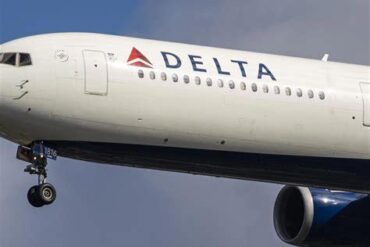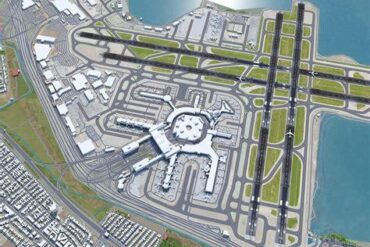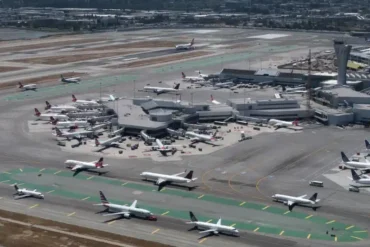
On July 26, 2025, a routine Delta Air Lines flight from Minneapolis–Saint Paul International Airport (MSP) to San Francisco International Airport (SFO) turned into an alarming aviation event when one of the pilots was unexpectedly taken into custody by federal law enforcement upon landing. The aircraft, operating as Delta Flight 2809, a Boeing 757, had experienced minor weather-related delays due to fog. But the true turbulence struck not in the air—but on the ground, once it reached the gate.
Arrest in the Cockpit: Law Enforcement Boards Delta Flight 2809
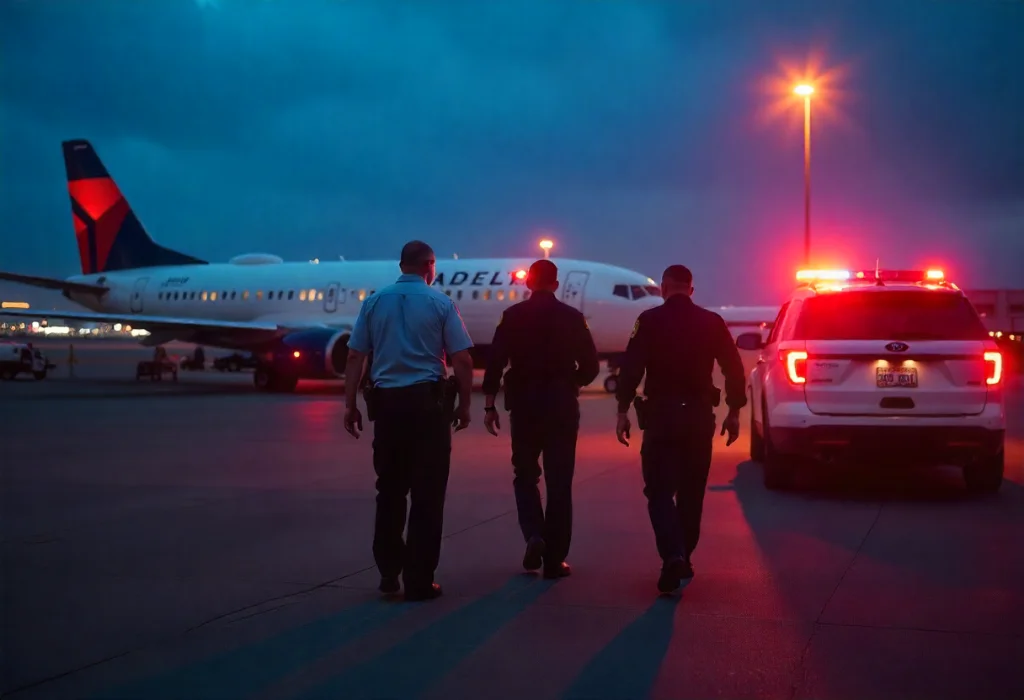
As passengers were preparing to disembark, Homeland Security Investigations (HSI) agents and local police officers swiftly boarded the aircraft. According to multiple eyewitnesses, two officers moved directly toward the cockpit and arrested one of the pilots without issuing any prior announcement. The second pilot appeared visibly surprised, suggesting that the operation was deliberately kept confidential to avoid alerting the arrestee mid-flight.
Delta Air Lines has remained tight-lipped about the situation, referring all media inquiries to federal authorities. The U.S. Department of Homeland Security (DHS) has not released any public statement regarding the nature of the alleged offense, leaving both the passengers and the wider public in the dark. The arrest was reportedly pre-planned and coordinated, implying that authorities had actionable intelligence or ongoing investigations involving the pilot.
Echoes of Stockholm: Pattern or Coincidence?
The San Francisco incident is the second troubling case involving a Delta Air Lines pilot within a short period. Just weeks earlier, in Stockholm Arlanda Airport (ARN), Swedish authorities detained a Delta pilot for failing a pre-departure breathalyzer test. The pilot was due to operate Delta Flight 205 to New York’s John F. Kennedy Airport (JFK) but was deemed unfit for duty.
The arrest led to the cancellation of the flight, triggering automatic passenger compensation under EU Regulation 261/2004. Swedish authorities handled the case under European Union aviation safety regulations, reinforcing that pilot sobriety remains a high-priority enforcement issue globally.
Although details about the San Francisco arrest remain undisclosed, the proximity of these two events—both involving Delta pilots—has stirred unease. Is this a coincidence, or does it point toward a larger issue of pilot conduct and internal airline oversight?
Aviation Safety Under Scrutiny: Implications for the Industry
The mid-operation arrest of a commercial pilot is not just a headline; it is a wake-up call for the global aviation industry. Such incidents force an uncomfortable reevaluation of current vetting processes, ongoing monitoring systems, and emergency response protocols.
When a pilot is arrested moments after landing a full aircraft, it naturally raises red flags about how such individuals made it past screening, training, and pre-departure checks. Airlines, especially U.S.-based carriers like Delta, may now be forced to reassess internal policies, including:
- More frequent and randomized alcohol and drug testing before flights.
- Enhanced psychological evaluations and real-time behavior tracking.
- Tighter collaboration with law enforcement to monitor suspicious personnel.
Beyond internal repercussions, such incidents place an additional burden on aviation regulators like the Federal Aviation Administration (FAA) and Transportation Security Administration (TSA). A failure to act decisively now could erode passenger trust and invite regulatory scrutiny not only on Delta but across the entire U.S. airline ecosystem.
Financial and Reputational Fallout for Delta Air Lines
For Delta Air Lines, the timing could not be worse. With the travel sector attempting a strong post-pandemic rebound and international travel on the rise, any compromise in operational integrity could be devastating. Potential implications include:
- Loss of passenger trust, which could depress ticket sales.
- Legal exposure and passenger compensation claims, especially if any safety protocol was breached.
- Insurance premium hikes, as underwriters reevaluate risk models.
- Long-term brand damage in both domestic and international markets.
What’s more troubling is that Delta has yet to offer a full explanation, and silence can sometimes amplify suspicion. As long as details remain undisclosed, speculation will persist, possibly making the incident more damaging than it might have been with swift transparency.
Public Confidence and Passenger Sentiment
The flying public is understandably rattled. For travelers, safety and reliability are non-negotiable. The idea that a commercial airline pilot—entrusted with hundreds of lives—could be detained by federal agents raises serious psychological barriers to trust.
More travelers may now begin asking:
- How frequently are pilots tested for alcohol and drugs?
- Are behavioral red flags ignored due to staffing shortages or union protection?
- What recourse do passengers have when flight crews are deemed unfit?
Such questions, if left unanswered, can sow fear and lead to a decline in public confidence in commercial air travel. Airlines will have to engage in proactive public relations efforts to assure travelers that safety is still their number-one priority.
Regulatory Ramifications: A Shift Toward Stricter Oversight?
The FAA and DHS now face growing pressure to tighten aviation safety regulations, especially concerning pilot screening and in-flight conduct. While most pilots uphold the highest standards of professionalism, these rare but serious incidents can catalyze policy changes, including:
- Mandatory real-time reporting systems for pilot impairment suspicions.
- Expanded whistleblower protections within airlines to report internal misconduct.
- Revamped licensing standards to include recurring behavioral evaluations.
Already, whispers in the aviation policy community suggest that a task force may be convened to investigate not just these incidents but the systemic gaps they reveal. Delta, as a legacy carrier with high visibility, could find itself at the center of Washington’s regulatory crosshairs.
Tourism and Global Perception: Ripple Effects Beyond Borders
Airlines serve as the lifeline of global tourism and business travel. Events like these, when widely reported, can affect not only a carrier’s domestic reputation but also its international perception. With Delta operating hundreds of flights daily across five continents, global travelers may begin to question:
- Is Delta taking pilot conduct seriously?
- Are U.S. aviation standards slipping compared to those in Europe or Asia?
This perception could influence tour operator partnerships, international codeshare agreements, and frequent flyer loyalty programs, especially among high-value passengers in Asia and Europe who often expect top-tier service and safety.
Communication is Critical: Why Silence Hurts More Than It Helps
While it’s understandable that legal limitations may prevent Delta from disclosing sensitive details, the lack of a preliminary explanation is beginning to do more harm than good. Communication professionals widely agree that in crisis management, delayed transparency equates to lost trust.
A simple, carefully-worded statement—even one that doesn’t compromise an ongoing investigation—can go a long way in calming public anxiety and demonstrating leadership. By contrast, no communication leaves a vacuum—one that is quickly filled with speculation, misinformation, and worst-case assumptions.
Final Thoughts: The Sky Is Safe, But Eyes Are Watching
The arrests of Delta Air Lines pilots in both San Francisco and Stockholm are likely isolated incidents, but they have shone a glaring light on a hidden vulnerability in the aviation safety chain. When the very individuals responsible for securing lives at 35,000 feet are themselves in breach of public trust, the ramifications extend far beyond a single flight or airline.
Aviation remains one of the safest modes of transportation, supported by multiple layers of oversight, technology, and protocol. But safety is a living discipline, requiring constant vigilance, rapid response, and, above all, accountability.
For Delta Air Lines, the next steps are clear but not easy: own the narrative, cooperate with investigations, revise internal checks, and rebuild public trust. For regulators, it’s a moment to review whether the current safety net is as unbreakable as the public has been led to believe.
And for passengers worldwide, it’s a timely reminder: behind the sleek aircraft and polished uniforms, it’s the human element that still defines the true safety of flight.