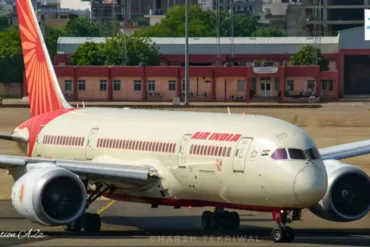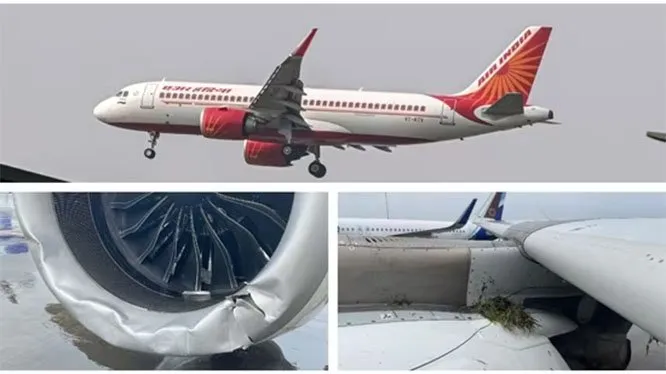
On July 21, 2025, an Air India flight AI2744 experienced a runway excursion during landing at Chhatrapati Shivaji Maharaj International Airport (CSMIA) in Mumbai amid severe monsoon downpours. While there were no injuries reported and damage was minimal, the incident has ignited pressing conversations regarding aviation safety standards in India’s busiest air corridors.
A Near-Miss on Wet Pavement: Flight AI2744’s Harrowing Touchdown
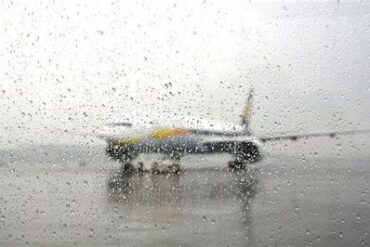
Flight AI2744, originating from Kochi, approached Mumbai during a window of intense rainfall and poor visibility—typical of the city’s unforgiving monsoon season. Upon landing on Runway 09/27, the aircraft was reported to have experienced a sharp swerve to the left, skidding briefly off the intended path. Passengers onboard recounted a sudden jolt followed by lateral motion, a harrowing moment that sparked gasps and anxiety throughout the cabin.
Despite the slippery conditions and limited visibility, the flight crew regained control within moments. In what aviation analysts are praising as textbook crisis management, the aircraft was stabilized, taxied safely, and brought to the terminal without the need for emergency services.
Swift Recovery, But Alarming Questions Linger
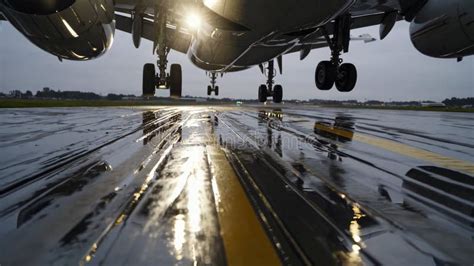
Although the crew’s composure and quick thinking ensured that all passengers and staff disembarked safely, the incident has reignited concerns about aviation infrastructure resilience in India during extreme weather events. The structural design of aircraft fuselages and tires may be built for such scenarios, but when faced with compromised runway friction and hydroplaning risks, the margin for error narrows considerably.
Mumbai’s monsoons are infamous for causing traffic halts, flight delays, and now, dangerous landing conditions. Experts argue that weather-specific operational preparedness, especially in critical transport hubs like Mumbai, remains underfunded and inconsistently regulated.
Runway Damage Confirmed: Airport Operations Disrupted Temporarily
Following the incident, Mumbai Airport authorities conducted a rapid inspection of the primary runway. Preliminary reports revealed minor but significant damage to the surface of Runway 09/27, attributed to the forceful lateral stress during the swerve. This necessitated an immediate rerouting of incoming and outgoing flights to the secondary Runway 14/32.
The Airport Emergency Response Team (AERT) initiated emergency protocols, temporarily diverting traffic, coordinating with airlines, and accelerating repair operations. Their goal: restore normal runway service while ensuring no compromise in safety compliance standards.
Experts Sound Alarm on Aviation Safety During Monsoons
Aviation analysts and meteorologists alike have used this event to underscore a sobering reality: India’s busiest airports are under-equipped for extreme seasonal weather. Although monsoons are a known annual challenge, proactive safety engineering and emergency simulations are often reactive rather than preventative.
According to Dr. Meera Joshi, a senior aviation risk auditor, “What happened at CSMIA could have easily escalated into a disaster. We got lucky this time. But luck is not a strategy.”
She added that airports like Mumbai should institute:
- Real-time rain-induced runway coefficient monitoring
- Upgraded skid-resistance surfacing
- Stronger communication between ATC and pilots during rapid weather shifts
- Advanced weather radar installations with 3D vector mapping
Passenger Confidence and the Fragile Optics of Safety
While no casualties occurred, the psychological aftermath among travelers and aviation professionals is tangible. For Air India, which has been striving to rebuild its global reputation, incidents like these—no matter how well-managed—tarnish brand confidence among the flying public.
Many passengers took to social media to express both gratitude and anxiety. One user tweeted: “Grateful to be alive, but also questioning how often this happens and we don’t hear about it. We need transparency in safety reporting.”
The stakes are higher when incidents happen at India’s flagship airports. Mumbai is not just a domestic hub; it is an international transit point, acting as the connective tissue between Europe, the Gulf, and Southeast Asia. Any disruption or reputational damage has downstream effects across the region.
Airport Authority Responds: Repair, Reassurance, and Readiness
In response, CSMIA released a formal statement assuring travelers and airline partners that all aviation safety protocols were followed, and that an internal safety audit had been triggered. Additionally, maintenance teams were dispatched within minutes to perform structural stress tests and deploy anti-skid surfacing agents to the compromised zone.
A spokesperson for the airport confirmed: “Our emergency runway response was activated immediately. We are committed to maintaining the highest safety benchmarks and ensuring operational integrity even under unpredictable weather conditions.”
Industry insiders report that CSMIA is considering partnerships with international aviation safety consultants to bring next-generation predictive analytics into runway management—a move welcomed by both domestic and foreign carriers.
Economic Ripples Across the Travel Industry
While the damage to the aircraft and runway was contained, the economic implications of such incidents ripple far wider. Every minute of runway unavailability costs airlines thousands in diversions, delays, crew overtime, and gate rescheduling. But beyond operations, the loss in traveler trust can have even deeper long-term effects.
If passengers begin to perceive flying during the monsoon as inherently unsafe—especially in or out of Mumbai—seasonal ticket sales may decline, business travel may be rebooked or rerouted, and international carriers may seek more favorable codeshare options through alternative hubs like Delhi or Bengaluru.
Lessons to Take Into the Future: A Blueprint for Safety
The incident served as a critical wake-up call, urging all stakeholders to move from passive caution to active mitigation. Some of the recommended next steps include:
- Mandated monsoon-weather landing drills for pilots at Mumbai and other Tier-1 airports
- Installation of Engineered Materials Arrestor Systems (EMAS) at runway ends
- Digitized dashboard monitoring of runway wear, updated daily during the rainy season
- Aviation Weather Alerts App for real-time updates to pilots, ATC, and operations staff
Aviation historian Rajeev D’Silva notes, “India’s aviation growth has outpaced its infrastructural evolution. Events like this reveal the fault lines. But they also give us an opportunity to fortify our foundations.”
No Fatalities, But an Ongoing Obligation to Improve
That there were no injuries or fatalities is a fortunate outcome, but relying on fortune in aviation is a dangerous precedent. The episode underscores that weather-related aviation incidents will continue to rise unless substantive infrastructural and procedural updates are made.
For India to compete on the global aviation stage, Mumbai’s CSMIA must not only be a hub of activity—but a beacon of safety, engineered to withstand every monsoon, every surge, and every test. The next chapter in Indian aviation must be written not in headlines like this one, but in the quiet, uneventful landings of thousands of daily flights arriving safely no matter the weather.
As the skies clear and repairs proceed, Mumbai’s aviation ecosystem is left with more than just runway scuff marks—it’s been handed a blueprint for necessary reform.