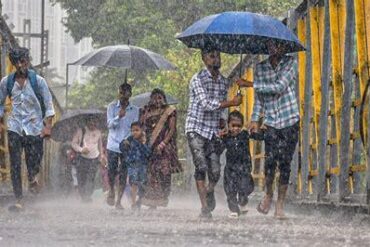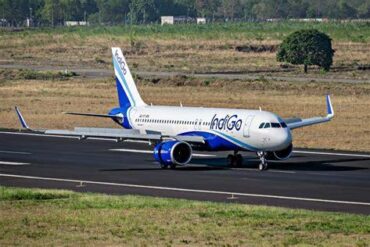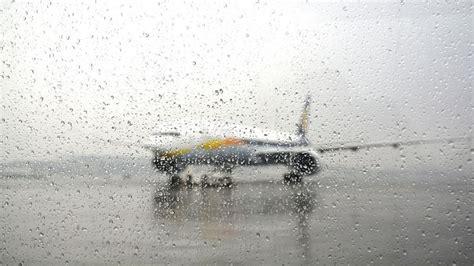
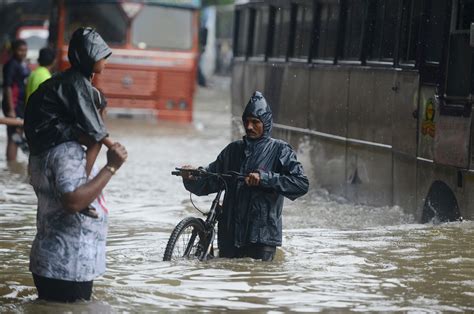
Mumbai was gripped by torrential rains on Monday morning, leading to widespread chaos across the city as residents and travelers alike faced significant disruptions in their daily routines. The heavy downpour not only caused severe waterlogging in several key areas but also created a ripple effect that hampered transportation, particularly around Chhatrapati Shivaji Maharaj International Airport (CSMIA). As commuters attempted to navigate through flooded streets during peak rush hour, many found themselves stuck in crawling traffic, making it difficult for them to reach their destinations on time.
The rainfall was so intense that major thoroughfares were inundated, and neighborhoods like Andheri, a bustling hub of activity, were particularly hard hit. The subway in Andheri was closed due to flooding, exacerbating the already dire traffic situation. Commuters heading towards CSMIA faced significant delays, as the wet conditions worsened congestion, leading to longer travel times and heightened anxiety about missing flights. With the Indian Meteorological Department (IMD) issuing an orange alert, indicating the likelihood of continued heavy rainfall, the potential for further disruptions loomed large over the city.
Air traffic operations at CSMIA were severely affected, with numerous flights experiencing delays or cancellations. Airlines promptly advised passengers to check their flight status and plan their journeys with extra time to spare. The situation was compounded by an increase in the number of vehicles attempting to navigate the already congested routes leading to the airport. Travelers were urged to remain vigilant and keep in close contact with their respective airlines for updates, as the challenges of the weather threatened to persist throughout the day.
Public transport services were equally impacted, as trains and buses struggled to maintain regular schedules amidst the chaos. Many commuters found themselves searching for alternative transportation options, adding another layer of stress to an already challenging situation. The IMD’s predictions of ongoing rainfall indicated that conditions might not improve quickly, leaving many residents grappling with the consequences of the relentless downpour.
As the rain continued to pour, reports from various districts highlighted significant rainfall accumulation, with some areas facing severe flooding and submerged roads. This created hazardous conditions that not only delayed travel but also raised concerns about safety. Residents were advised to avoid non-essential travel and to stay informed about rising water levels in their localities. The IMD emphasized the importance of monitoring local news channels for updates on weather conditions and public transport services.
The impact of the torrential rains was felt throughout Mumbai, with many individuals and families left struggling to adapt to the unexpected challenges. Authorities worked diligently to manage the situation, but the sheer volume of rainfall and its aftermath created obstacles that were difficult to overcome. As the day progressed, it became evident that those who needed to travel should remain cautious and prepared for further delays.
In summary, the torrential rains that lashed Mumbai on Monday morning created a perfect storm of traffic disruptions and airport delays that left thousands of commuters and travelers grappling with unforeseen challenges. As heavy rain continued to affect daily life, the advice to stay updated on flight statuses and to leave early for the airport remained crucial for anyone planning to travel. The city’s resilience would be tested as it navigated through the chaos brought on by nature’s fury.