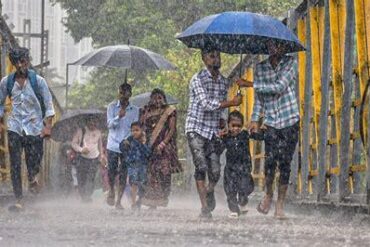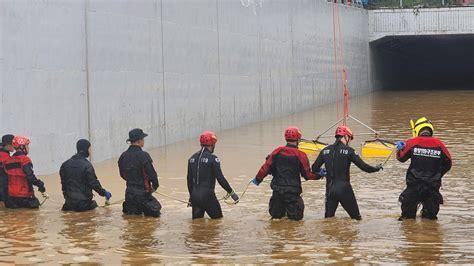
In a devastating turn of events, South Korea is grappling with one of its worst summer rainstorms, leading to catastrophic impacts on air travel across the nation. From July 17 to July 20, relentless torrential rains unleashed unprecedented volumes of precipitation, reaching 600-800 mm in some areas. This deluge has not only caused widespread flooding but also triggered multiple landslides, wreaking havoc on the country’s transportation infrastructure, particularly airports and roadways.
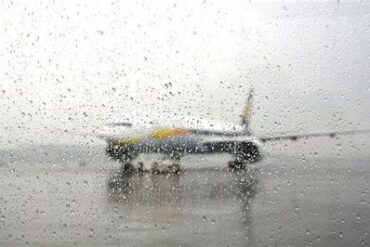
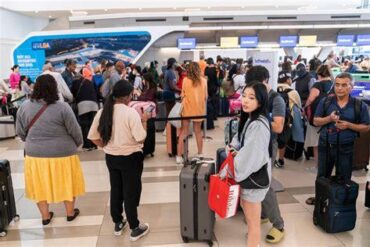
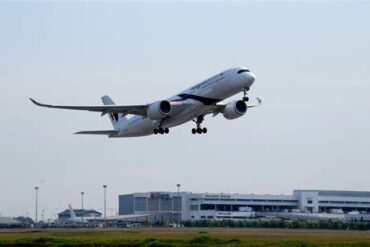
As the floodwaters rose, flight operations were severely disrupted, with major airports such as Incheon International Airport in Seoul, Gwangju Airport, and Daegu International Airport experiencing significant delays and cancellations. The chaos unfolded as airlines scrambled to manage the surge of affected passengers, many of whom struggled to reach terminals due to obstructed access routes and rising waters.
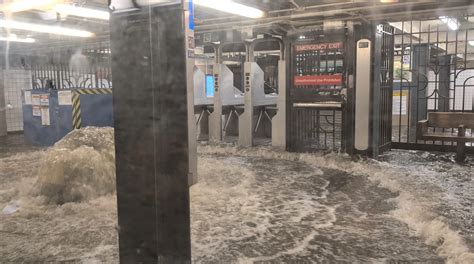
The situation escalated dramatically when Sancheong Town, located in southern Korea, became the epicenter of deadly landslides that resulted in numerous casualties and extensive property damage. The aftermath left some local airports, including Gwangju and Daegu, completely cut off, stranding passengers and complicating evacuation efforts. Ground services were halted as safety protocols took precedence, leaving many travelers anxious and uncertain about their plans.
Evacuations and Infrastructure Challenges
As of the latest reports, approximately 3,800 individuals have been forced to evacuate their homes due to the rising floodwaters, with many seeking refuge in hastily organized emergency shelters near airports. This rapid influx of displaced persons has created additional strain on airport operations, as staff grapple with the dual challenges of managing stranded passengers while ensuring the safety of evacuees. Despite airlines’ best efforts to minimize disruptions, the volume of rebookings has led to confusion and frustration among travelers.
Animals, too, have faced dire circumstances, with livestock stranded at farms as floodwaters surged, complicating logistics for transporting goods by air. The convergence of these challenges has made air travel in and out of South Korea incredibly unpredictable.
Weather Forecast and Travel Impact
While the immediate threat of heavy rainfall appears to have subsided, meteorologists are now warning of an impending heatwave following the storms. Forecasts indicate temperatures may soar above 30 degrees Celsius, which could exacerbate existing traffic conditions and further complicate recovery efforts at airports. The prolonged wet conditions may also adversely affect air quality, leading to potential delays as airports work to regain normalcy.
Travelers should remain vigilant and stay updated with their airlines regarding flight statuses. Many carriers have implemented flexible policies, allowing for refunds or alternative arrangements for those impacted by the disruptions. Domestic flights connecting southern cities such as Sancheong, Gwangju, and Daegu to Seoul have been particularly hard hit, with significant cancellations reported.
Alternative Travel Options and Recommendations
For those determined to travel amidst these challenges, it is crucial to consider alternative routes. Travelers can explore connections from neighboring airports to major international destinations like Tokyo, Beijing, and Hong Kong. Given the ongoing uncertainty, adopting a flexible travel plan is advisable. Airlines have loosened rebooking restrictions, enabling passengers to adjust their itineraries more easily, but availability may be limited.
As the recovery process unfolds, travelers are encouraged to prepare adequately for the next few days:
- Stay Informed: Regularly check your airline’s website and South Korean government updates for real-time information on weather advisories and flight statuses.
- Flexibility is Key: If possible, reschedule your travel to avoid peak congestion times, particularly as the aftermath of the storms continues to impact operations.
- Arrive Early: Expect delays at security checkpoints and give yourself ample time to navigate potential rescheduling scenarios.
- Pack for Heat: Bring water, sunscreen, and light clothing to ensure comfort during lengthy waits in the heat.
The Path Forward: Rebuilding South Korea’s Air Traffic
As South Korea embarks on the challenging journey to restore its air traffic, officials are working diligently to return flights to their regular schedules. However, travelers should anticipate ongoing delays, particularly in the southern regions most affected by the floods and landslides. The coming weeks will prove pivotal in determining how swiftly full flight operations can resume, as recovery efforts focus on restoring essential infrastructure and services.
In conclusion, the recent floods and landslides in South Korea have plunged air travel into a state of turmoil. While the most severe weather may have passed, the ramifications will linger for days to come. Travelers must remain adaptable, keep abreast of updates, and prepare for the potential complications posed by the subsequent heatwave. As South Korea navigates through this crisis, staying informed and ready to adjust plans will be paramount for all travelers.