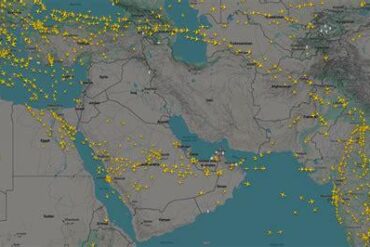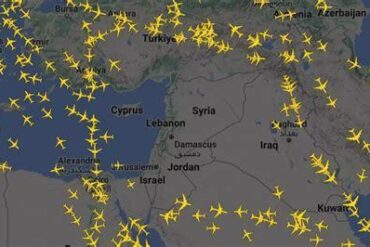
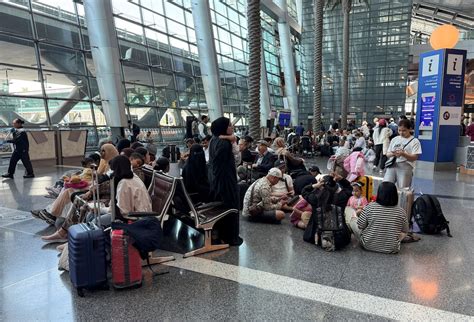
Thousands of passengers are facing severe delays and cancellations as a sweeping shutdown of Middle East airspace sends global air travel into disarray. The closures, triggered by renewed hostilities between Israel and Iran, have paralyzed key aviation corridors critical to Europe-Asia connectivity, stranding travelers and grounding aircraft across multiple countries. As tensions escalated with Israeli airstrikes targeting Iranian nuclear and missile sites, nations including Iran, Iraq, Jordan, and Israel imposed immediate airspace bans. Airlines worldwide were left scrambling to reroute or cancel flights amid growing safety concerns.
Regional Airports Paralyzed by Closures
The situation unfolded rapidly across several of the Middle East’s busiest air travel hubs. Tel Aviv’s Ben Gurion Airport, Tehran’s Mehrabad and Imam Khomeini International, Amman’s Queen Alia International, and Dubai International Airport either halted operations or experienced massive service disruptions. These hubs serve as crucial layover and transit points for long-haul flights between Europe and Asia, magnifying the scale of the disruption.
At Sharjah International Airport, 67 flights were delayed and 54 cancelled in a single day. The worst affected was Air Arabia, which reported 22% of its operations delayed or cancelled. Other carriers such as Singapore Airlines and Pakistan International Airlines saw delay rates exceeding 50%. The paralysis extended across airline networks as regional turbulence caused widespread scheduling havoc.
Total Ground Stops in Tehran and Dubai
Imam Khomeini International Airport in Tehran saw one of the highest cancellation rates recorded globally. FlyDubai, Pegasus Airlines, Air Arabia, and European carriers like Lufthansa and Austrian Airlines canceled 100% of their flights to and from the airport. These suspensions reflect both political caution and logistical paralysis.
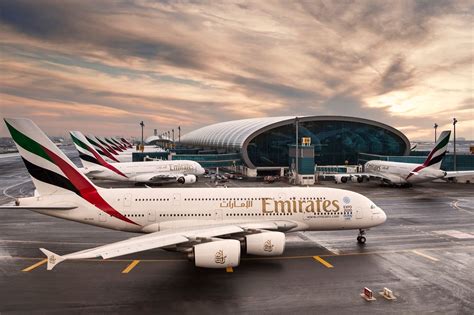
Dubai International Airport, a global superhub, experienced a staggering 286 flight delays and 140 cancellations. Budget airline FlyDubai suffered particularly badly, canceling 30% of its total operations. Emirates reported delays to 28% of its scheduled flights. The scale of disruption at Dubai reverberated across Africa, Asia, and Europe as airlines attempted to recalibrate networks without access to the region’s largest aviation centers.
Europe-Asia Aviation Network Severely Affected
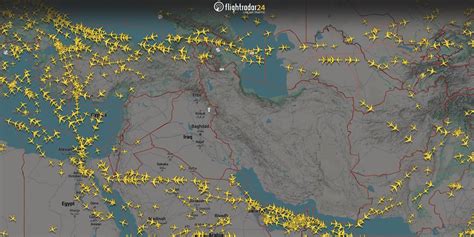
The consequences of the closures were most profound for long-haul routes connecting Europe and Asia. With Russian and Ukrainian airspace already inaccessible due to the ongoing war, the Middle East had become the last remaining corridor for transcontinental air traffic between the two continents. The sudden closure of Iranian, Iraqi, Jordanian, and Israeli skies has now further choked this corridor.
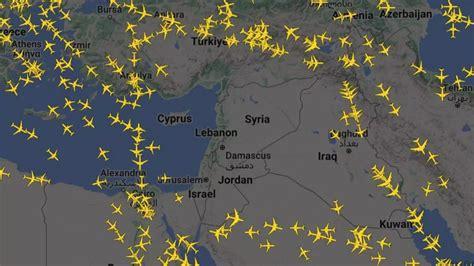
According to Eurocontrol, over 1,500 flights were disrupted by Friday afternoon, with 650 outright cancellations. Airlines operating these trans-regional routes — including Delta, KLM, Emirates, Air France, Lufthansa, and Qatar Airways — were forced to suspend services, divert flights, or extend routes over Saudi Arabia, Egypt, Turkey, and Azerbaijan.
Delta Airlines turned back a Tel Aviv-bound flight to New York after eight hours in the air. Lufthansa canceled all flights to Iran, Israel, Jordan, and Iraqi Kurdistan through late June, indicating the prolonged nature of the disruption.
Strategic Aircraft Withdrawals and Rerouting
Israel’s national carriers, including El Al, Israir, and Arkia, evacuated their entire fleets from Ben Gurion Airport, rerouting planes to Cyprus, which saw over 32 emergency arrivals in a matter of hours. Flightradar24 showed multiple aircraft performing mid-air route changes to avoid closed airspace.
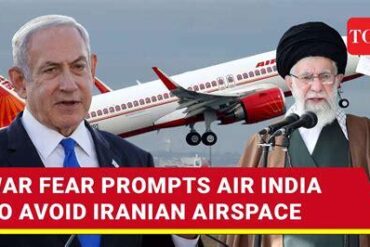
Air India confirmed that multiple long-haul flights to destinations like New York, London, and Vancouver had to be diverted or returned to departure points mid-flight. In Iran, all domestic and international operations were suspended. Iraq followed suit, grounding all commercial aviation. Jordan later issued an indefinite NOTAM (Notice to Airmen) effectively sealing its skies.
Even Russia’s Rosaviatsia joined the growing list of aviation authorities issuing bans, prohibiting all civilian aircraft from flying over Iran, Iraq, Israel, and Jordan until at least June 26. This affected FlyDubai’s extensive Russia-Middle East network, leading to 22 canceled flights from 10 different Russian cities in just 48 hours.
Safety Risks Escalate Amid Conflict Zones
Beyond the logistical challenges, the crisis has raised serious alarms about aviation safety. In the last 20 years, six commercial airliners have been mistakenly shot down while flying near active conflict zones. With commercial jets now forced to fly longer and riskier routes, experts warn that the current conditions represent heightened dangers for both passengers and flight crews.
Aviation bodies are urging governments to provide real-time threat assessments, but the speed of escalation has left many airlines reacting after the fact. In a post-COVID world still reeling from economic turbulence, this kind of geopolitical disruption is a stark reminder of the fragility of the global aviation system.
Financial Fallout and Oil Price Spike
The crisis is delivering a severe economic blow to the aviation industry. On Friday, British Airways’ parent company IAG saw its stock drop 4.6%, while Delta slipped 4%, and Ryanair lost 3.5%. The situation is compounded by a sharp surge in oil prices, which directly affects airline fuel costs — already the largest operational expense for any carrier.
Detours around conflict zones are not just dangerous — they’re expensive. Flights are burning more fuel, incurring longer crew hours, and increasing maintenance strain on aircraft. For low-margin carriers, the cost of every extra hour in the air is devastating. Coupled with inflation and post-pandemic recovery challenges, these added expenses risk pushing already vulnerable airlines into deeper financial peril.
Global Response and Diplomatic Paralysis
Despite the immediate fallout, diplomatic coordination remains weak. While ICAO (International Civil Aviation Organization) has urged airspace authorities to communicate closures clearly and promptly, the real-time nature of the crisis means responses often lag behind fast-changing ground realities.
Airlines are forced to rely on fragmented national directives, leading to a patchwork of rerouting protocols. Some carriers have resorted to private intelligence and real-time satellite data to assess safety, but many lack the resources for such risk management. As tensions continue to simmer, airlines are left making hard decisions without clear guidance.
Looking Ahead: Turbulent Skies Remain
The future of travel through the Middle East remains deeply uncertain. Experts predict that airspace over Iran, Iraq, and Jordan could remain closed for weeks depending on the trajectory of conflict. This will cause continued flight cancellations, increased fares, and longer travel times — especially for travelers moving between Southeast Asia, Europe, and Africa.
Unless regional stability improves or alternate corridors are developed, travelers can expect persistent disruptions, while airlines absorb escalating operational and security costs. Some carriers may begin lobbying for international no-fly buffer zones, but until then, the global aviation industry remains at the mercy of geopolitical fault lines.
Final Note: What Passengers Should Do
For those with upcoming flights to or through the Middle East:
- Check with airlines directly before heading to the airport.
- Monitor real-time updates from trusted flight tracking platforms like FlightAware and Flightradar24.
- Consider alternative travel dates or routes via Africa or Central Asia.
- Review your airline’s cancellation and rebooking policies.
- Stay updated with advisories from your embassy or foreign office, especially if traveling to affected countries.
The crisis unfolding in Middle Eastern skies is not just another delay. It is a tectonic jolt to international aviation, reshaping global travel and underscoring the vulnerability of our interconnected world.