Delta Air Lines has long been recognized as one of the most efficiency-focused airlines in the world, constantly searching for ways to reduce fuel consumption, improve aircraft performance, and modernize its fleet. One of the most visible examples of this strategy has been its changing approach to winglet technology. While blended winglets once represented a major aerodynamic breakthrough for commercial aircraft, Delta has gradually moved toward newer designs, particularly split scimitar winglets, for many of its Boeing 737 aircraft.
The shift does not mean Delta believes winglets are ineffective. Quite the opposite. Winglets remain one of the simplest ways for airlines to improve aircraft efficiency without purchasing entirely new airplanes. However, as aerodynamic research has advanced, Delta has recognized that the original blended winglet design is no longer the most optimized solution for many aircraft in its fleet.
For Delta, the goal is not simply adding winglets. The airline wants the most efficient wingtip design available for each aircraft type, balancing fuel savings, operating costs, maintenance requirements, and long-term fleet plans.

The Evolution From Blended Winglets to More Advanced Designs
Winglets were introduced to commercial aviation because aircraft wings naturally create drag through the formation of wingtip vortices. These swirling air movements reduce aerodynamic efficiency by wasting energy and increasing fuel consumption.
A traditional wing generates lift by creating a pressure difference between the upper and lower surfaces. At the wingtip, high-pressure air underneath the wing attempts to move around toward the low-pressure region above the wing. This creates a rotating vortex that acts like additional drag.
Winglets reduce this energy loss by changing the airflow pattern around the wingtip. They effectively increase the aircraft’s aerodynamic efficiency without requiring a longer wingspan.
The first major commercial success of blended winglets came through the work of Aviation Partners Boeing, which developed a smooth transition between the wing and the upward-curved wingtip. Unlike older vertical wingtip devices, blended winglets created a gradual aerodynamic surface that reduced interference drag.
When Delta and many other airlines first adopted blended winglets, the technology delivered meaningful benefits. For aircraft such as the Boeing 737-800 and Boeing 737-900ER, blended winglets could provide fuel savings of approximately 3% or more depending on operating conditions.
However, aviation technology rarely stands still. Engineers continued refining wingtip designs, eventually creating solutions that offered greater efficiency than the original blended structure.
Why Delta Replaced Blended Winglets With Split Scimitar Winglets
Delta’s move away from traditional blended winglets became especially clear with its Boeing 737 fleet. The airline operates hundreds of 737 family aircraft, making even small efficiency improvements financially significant.
In 2015, Delta began installing split scimitar winglets on its Boeing 737-900ER aircraft. Later, the airline expanded the retrofit program to include Boeing 737-800 aircraft.
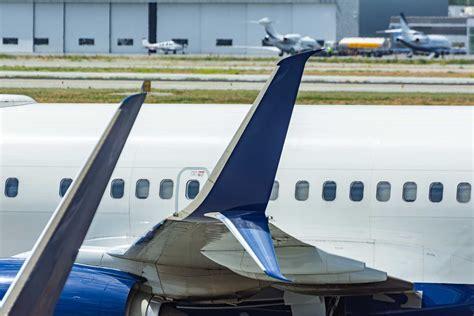
The split scimitar design builds upon the blended winglet concept but adds additional aerodynamic surfaces. Instead of having a single upward extension, the design includes an upward curved winglet and a downward-facing ventral strake.
This unique shape resembles a curved Middle Eastern sword, which explains the “scimitar” name. The lower section helps manage airflow beneath the wingtip, reducing drag further than a conventional blended winglet.
According to Aviation Partners Boeing, split scimitar winglets can improve fuel efficiency by up to 5.5%, compared with approximately 3.3% for traditional blended winglets on comparable Boeing 737 models.
For an airline operating hundreds of aircraft and thousands of flights every day, those percentages translate into millions of gallons of fuel savings.

Fuel Savings Are the Main Reason Behind Delta’s Decision
Fuel represents one of the largest expenses for any airline. Even small improvements in fuel burn can have a major impact on profitability.
Delta’s decision to replace blended winglets was therefore not based on appearance or marketing. It was driven by economics.
A 1% improvement in fuel efficiency may appear insignificant on an individual flight. However, across a fleet operating millions of miles annually, the savings become substantial. Delta has estimated that its split scimitar winglet upgrades on selected aircraft could save approximately 3.3 million gallons of fuel every year.
These savings provide several advantages:
- Lower operating costs during periods of high fuel prices.
- Reduced carbon emissions per flight.
- Improved aircraft efficiency without replacing existing aircraft.
- Longer economic life for older Boeing 737 models.
The retrofit approach is especially valuable because Delta has historically maintained aircraft longer than many competitors. Instead of immediately replacing older airplanes, the airline often invests in upgrades that allow existing aircraft to remain competitive.
This strategy is one reason Delta continues operating large numbers of Boeing 737-800 and 737-900ER aircraft while simultaneously introducing newer-generation models.
Delta’s Boeing 737 Fleet Strategy and Future Aircraft Changes
Delta currently operates a large Boeing 737 fleet, including approximately 77 Boeing 737-800 aircraft and 163 Boeing 737-900ER aircraft. These aircraft form an important part of the airline’s domestic and short-haul network.
The airline has also ordered 100 Boeing 737 MAX 10 aircraft, which are expected to begin arriving later in the decade. However, the MAX 10 uses a different wingtip design from previous 737 models.
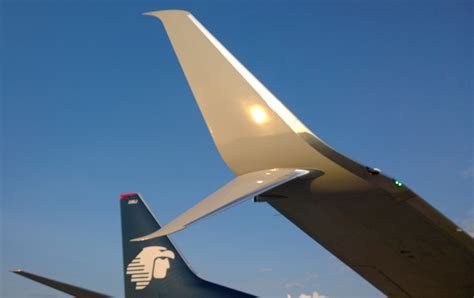
Unlike retrofit split scimitar winglets, the 737 MAX family uses an integrated split-tip winglet design. Although visually similar, the structure is different and was developed specifically for the MAX wing.
The MAX wing was designed from the beginning with advanced aerodynamics, including a larger wingspan and improved wingtip technology. Because of this, Delta will not simply install the same retrofit winglets used on older 737 aircraft.
Why Blended Winglets Became Less Attractive Over Time
The decline of blended winglets does not mean the technology failed. In fact, blended winglets transformed commercial aviation and remain widely used around the world.
The reason airlines are moving away from them is that newer designs provide better results.
Aerodynamic engineering is a continuous process. Once airlines adopted blended winglets, manufacturers and suppliers gained more real-world data about airflow behavior. Engineers discovered that adding additional surfaces could further reduce wingtip losses.
Several wingtip designs have appeared over the years, including:
- Blended winglets, which smoothly extend upward from the wing.
- Split scimitar winglets, which add both upward and downward aerodynamic surfaces.
- Sharklets, used on many Airbus A320 family aircraft.
- Wingtip fences, an earlier design used on some aircraft.
Each design has advantages depending on the aircraft’s wing shape, mission profile, and operating environment.
For Delta’s Boeing 737 fleet, split scimitar winglets offered a better return on investment than keeping older blended winglets.
The Relationship Between Delta and Aviation Partners Boeing
Delta’s transition toward advanced winglets also reflects a long relationship with Aviation Partners Boeing. The company specializes in developing and licensing winglet technology for Boeing aircraft.
When split scimitar winglets became available for Boeing 737NG aircraft, airlines quickly began evaluating retrofit programs. Southwest Airlines was among the first major operators to introduce the technology, followed by Delta.
The partnership demonstrated how airlines could improve efficiency without waiting years for new aircraft deliveries.
Aircraft upgrades are often expensive and complicated. A complete fleet replacement can require billions of dollars, new pilot training programs, updated maintenance systems, and infrastructure changes. A winglet retrofit, by comparison, provides a relatively simple efficiency improvement.
For airlines operating mature fleets, technologies like split scimitar winglets offer an attractive middle ground between keeping older aircraft unchanged and purchasing new airplanes.
Delta’s Broader Sustainability Approach
Delta’s winglet strategy also fits into its broader environmental goals. The airline has invested heavily in reducing fuel consumption through fleet modernization, operational improvements, and aircraft upgrades.
Winglets alone will not transform aviation emissions. However, they represent one part of a larger strategy.
Every gallon of fuel saved reduces both operating expenses and carbon emissions. For a major airline flying hundreds of aircraft, incremental improvements accumulate into significant results.
The move away from traditional blended winglets demonstrates an important principle in aviation: the most successful technologies are not necessarily the newest inventions, but the ones that provide measurable improvements in daily operations.
The Future of Winglet Technology at Delta Air Lines
Delta’s decision to move beyond traditional blended winglets reflects the natural evolution of aircraft design. The airline is not abandoning winglet technology; it is selecting more advanced solutions that better match its fleet requirements.
For older Boeing 737-800 and 737-900ER aircraft, split scimitar winglets provide additional efficiency and extend the economic usefulness of the fleet. For future Boeing 737 MAX 10 aircraft, integrated split-tip winglets will deliver similar aerodynamic advantages from the factory.
The story of Delta’s winglets highlights how small engineering improvements can have enormous effects when applied across a global airline network. A few feet of redesigned wingtip may seem minor, but across thousands of flights, it can mean millions of dollars saved and millions of gallons of fuel avoided.
In commercial aviation, efficiency is measured in percentages. Delta’s move away from blended winglets proves that even a small aerodynamic improvement can become a major competitive advantage.