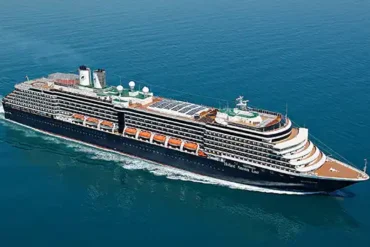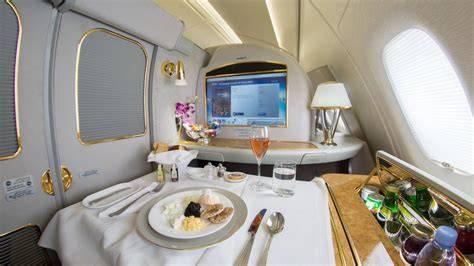
For decades, first class represented the ultimate expression of luxury aviation. It was where airlines showcased their most exclusive seats, finest meals, and most personalized services. A first class cabin was not simply a place to sit; it was a symbol of status, prestige, and technological ambition. However, the modern airline industry is quietly moving away from this once-iconic product. Across the world, many carriers are reducing, redesigning, or completely removing first class cabins from their aircraft.
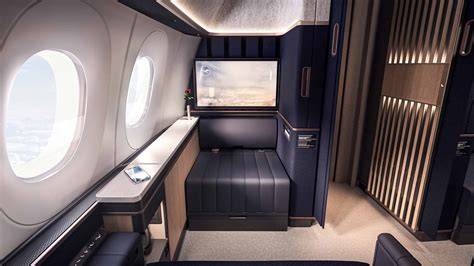
The disappearance of first class is not happening because passengers no longer want comfort. In fact, demand for premium travel remains strong. Instead, airlines are discovering that the traditional first class model no longer delivers the financial returns needed to justify its enormous cost. As business class products become more luxurious and passenger priorities continue changing, many airlines are asking a difficult question: does first class still make economic sense?
The answer involves a combination of profitability pressures, changing customer behavior, aircraft efficiency, and the transformation of premium air travel itself. The future of luxury flying is not necessarily disappearing, but it is evolving into something very different.
The Economics Behind Airlines Removing First Class
Every airline seat represents a financial decision. Aircraft cabins are limited spaces, and airlines constantly analyze how much revenue each square meter can generate. From this perspective, first class creates a significant challenge because it requires a large amount of cabin space while serving a relatively small number of passengers.
A traditional first class suite can occupy the same area as two or even three business class seats. Although first class tickets can command extremely high prices, airlines must consider the entire flight operation. If a first class cabin contains eight seats but several remain empty, the lost revenue opportunity can be substantial.
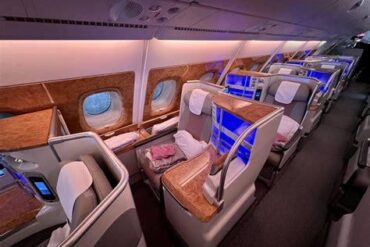
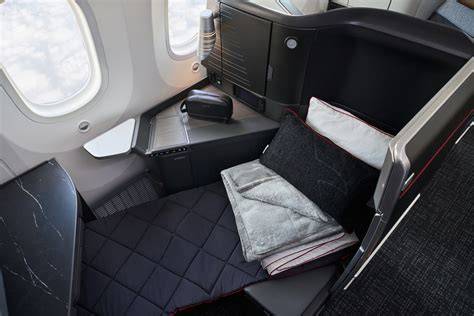
Business class, meanwhile, has become a much stronger financial performer. Corporate travelers, premium leisure passengers, and frequent flyers continue to pay higher fares for business class because modern products now offer many features that were once exclusive to first class. Lie-flat seats, direct aisle access, private suites, premium dining, and personalized service have transformed business class into a near-luxury experience.
For airlines focused on maximizing revenue per flight, the choice has become increasingly obvious. A larger business class cabin can often generate more predictable income than maintaining a small first class section with expensive operating requirements.
The shift also reflects a broader industry focus on efficiency. Airlines measure performance through metrics such as revenue per available seat mile, which evaluates how effectively each seat contributes financially. First class frequently struggles under this measurement because its large footprint and lower occupancy rates can reduce overall cabin efficiency.
Business Class Has Replaced Much Of What First Class Offered
The biggest threat to traditional first class has not been declining demand for premium travel. Instead, it has been the extraordinary improvement of business class.
Two decades ago, the difference between business class and first class was obvious. Business class passengers often received larger seats, better meals, and priority services, but first class offered a completely different level of comfort. Today, that gap has narrowed dramatically.
Leading airlines have introduced business class products that resemble private suites. Features such as sliding doors, personal storage areas, direct aisle access, premium bedding, and restaurant-quality meals have become common on major international routes.
Airlines such as Qatar Airways, with its Qsuite product, and All Nippon Airways, with its innovative “The Room” business class, demonstrate how carriers are redefining premium travel. These products provide privacy and comfort while allowing airlines to sell more premium seats within the same aircraft.
For many passengers, especially corporate travelers, business class now represents the ideal balance between luxury and practicality. Companies are often unwilling to pay for first class when business class provides enough comfort for employees traveling long distances.
This financial reality has changed airline strategies. Instead of creating a small first class cabin for a limited group of wealthy travelers, airlines are investing in larger premium cabins that appeal to a broader customer base.
Passenger Preferences Are Changing Across The Global Travel Market
The modern premium traveler is different from the first class customer of previous generations. While exclusivity remains attractive, many passengers now place greater importance on privacy, convenience, technology, and overall value.
Corporate travel policies have played a major role in reducing first class demand. Many companies have introduced stricter travel rules, encouraging employees to book business class instead of first class. Even large corporations increasingly view first class as an unnecessary expense when business class provides similar benefits.
Leisure travelers have also influenced the market. Wealthy vacation travelers who once considered first class are increasingly choosing premium economy or business class because these products offer better value. Spending thousands of additional dollars for a slightly larger seat and enhanced service is harder to justify when alternatives have improved so significantly.
Premium travel itself remains healthy. International premium class demand has continued growing, showing that passengers still want upgraded experiences. However, growth is concentrated mainly in business class rather than traditional first class.
The Asia-Pacific region has become one of the strongest markets for premium aviation growth, while the Middle East continues to maintain a particularly strong preference for luxury travel. These regions demonstrate that premium demand is not disappearing; airlines are simply changing how they deliver it.
Long-Haul Flights Are Redefining Premium Cabin Design
For many years, first class was closely connected with long-haul international travel. Widebody aircraft flying routes between major global cities were the perfect showcase for luxury cabins. Airlines used first class suites to compete for high-value passengers and establish their brand identity.
However, long-haul operations have become increasingly expensive. Fuel costs, maintenance, staffing, and airport expenses create enormous pressure on airlines to maximize every available seat. A cabin configuration that does not generate sufficient revenue becomes difficult to defend.
Ultra-long-haul routes have added another layer of complexity. Flights lasting 16 hours or more require airlines to balance passenger comfort with operational efficiency. Instead of installing large first class cabins, many carriers are choosing advanced business class seats that provide excellent sleeping environments while allowing more passengers to pay premium fares.
Premium economy has also become an important part of this transformation. It captures travelers who want more comfort than economy class but cannot justify business class prices. By offering multiple premium options, airlines can increase revenue without depending heavily on a small first class customer base.
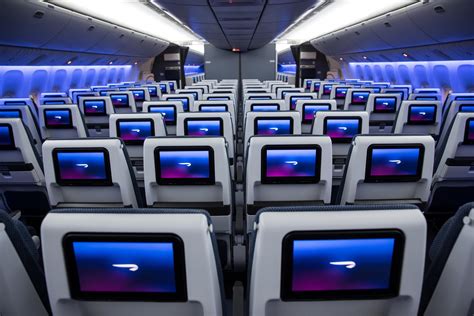
Aircraft technology has accelerated this trend. New-generation aircraft such as the Airbus A350 and Boeing 787 are designed around efficiency, encouraging airlines to rethink traditional cabin layouts. Lighter interiors, optimized seating arrangements, and improved passenger experiences are becoming more important than simply offering the most expensive ticket.
The High Cost Of Maintaining A First Class Product
First class is expensive far beyond the seat itself. Airlines must consider every element involved in delivering an ultra-premium experience.
A first class passenger may require specialized catering, premium beverages, additional cabin crew attention, exclusive airport services, and dedicated lounge facilities. These costs accumulate quickly, especially when the cabin is not consistently full.
Business class also requires premium service, but the larger passenger volume allows airlines to spread costs across more customers. A business class cabin with dozens of passengers can generate stronger overall returns than a small first class cabin with only a handful of travelers.
This is why several major airlines have reconsidered their international first class strategies. Some carriers have removed first class entirely, replacing it with expanded business class cabins featuring private suites and enhanced services.
However, the transition is not universal. Certain airlines continue investing heavily in first class because they operate in markets where ultra-luxury travel remains highly profitable.
Why Some Airlines Still Believe In First Class
Although many airlines are reducing first class, the product is not disappearing completely. Some carriers view first class as a powerful branding tool rather than simply a seat category.
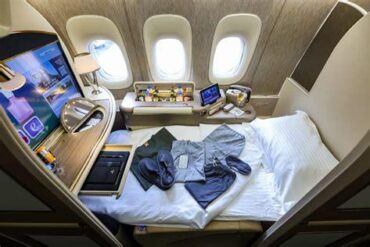
Airlines in highly competitive luxury markets continue to use first class to differentiate themselves. Emirates, for example, has built a global reputation around its first class suites, private onboard showers, and premium service experience. For these airlines, first class helps attract wealthy travelers and strengthen brand identity.
Other carriers are also introducing redesigned first class products. Instead of traditional open seating, the new generation of first class focuses on private spaces, personalized service, and exclusive experiences.
The future first class passenger is likely to be a smaller but more valuable group. Airlines may operate fewer first class seats but make them significantly more luxurious and expensive.
The Future Of Luxury Air Travel Beyond First Class
The airline industry is not abandoning premium travel. Instead, it is moving toward a new definition of luxury. The traditional idea of first class as the largest seat with the most elaborate service is being replaced by a more flexible approach focused on privacy, personalization, and efficiency.
For many airlines, business class has become the new flagship product. It offers a wider customer base, stronger profitability, and a level of comfort that satisfies most premium travelers.
At the same time, first class will likely survive as a niche product operated by airlines that can successfully monetize ultra-luxury demand. It may become less common, but it will not completely vanish.
The decline of traditional first class reflects a larger transformation in aviation. Airlines are no longer asking which cabin looks the most impressive. They are asking which cabin creates the strongest balance between passenger expectations and financial sustainability.
The golden age of widespread first class travel may be ending, but premium aviation itself is entering a new era where luxury is defined less by exclusivity and more by efficiency, innovation, and meaningful passenger experiences.