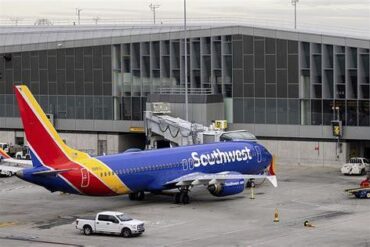
In an age where budget travel is increasingly accessible and attractive, the role of traditional airlines—also known as legacy carriers—remains indispensable for a segment of travelers that value reliability, quality, and comprehensive service. While low-cost carriers (LCCs) offer undeniable affordability, traditional airlines continue to thrive by delivering a layered experience that extends beyond the simplicity of point A to point B transportation.
What Defines a Traditional Airline?
A traditional airline is typically a well-established carrier with a history rooted in the early development of commercial aviation. These airlines operate full-service models, maintain extensive global networks, and offer tiered seating classes, alliances with other carriers, and various loyalty programs. Brands like Lufthansa, Air France, Delta, United Airlines, and British Airways are prime examples.
These airlines generally operate from primary hub airports, offer international and domestic connections, and provide business and first-class options in addition to economy seating. Unlike budget airlines, which operate with tight margins and no-frills service, legacy carriers emphasize the overall travel experience—from check-in to in-flight and post-flight support.
Unmatched Operational Infrastructure
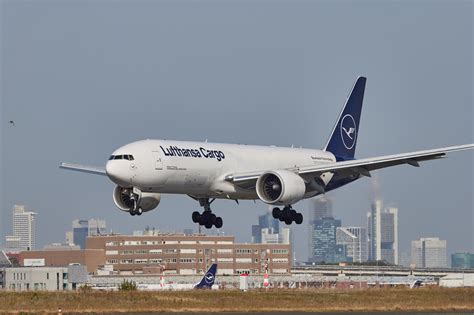
One of the most enduring strengths of traditional airlines is their comprehensive operational infrastructure. These airlines manage massive fleets, employ thousands globally, and invest significantly in training, safety, and customer service.
When disruptions occur—such as delays, weather issues, or labor strikes—legacy carriers are better equipped to rebook passengers, provide compensation, or offer accommodation. Their infrastructure and customer service frameworks are built to manage crises, as demonstrated during the COVID-19 pandemic, when traditional airlines were quicker to adapt and communicate compared to many budget carriers.
By contrast, when WOW Air abruptly ceased operations in 2019, thousands of passengers were stranded without assistance. Budget airlines, limited by tight cost structures and smaller teams, lack the resources to offer comparable support during such breakdowns.
Strategic Airport Access and Scheduling
Traditional airlines dominate high-value airport slots in key cities. This translates into better departure times, more frequent service, and access to central airports, which dramatically improves convenience.
For instance, legacy carriers often fly into main hubs like London Heathrow, Paris Charles de Gaulle, or Chicago O’Hare, while budget carriers operate from secondary airports that are less accessible and often require longer ground transfers. For time-sensitive travelers—such as businesspeople or families with tight schedules—this access is invaluable.
Moreover, legacy carriers provide nonstop or one-stop routes that minimize transit time. This is particularly useful for long-haul flights or routes to secondary cities that low-cost carriers do not serve.
Premium In-Flight Experience
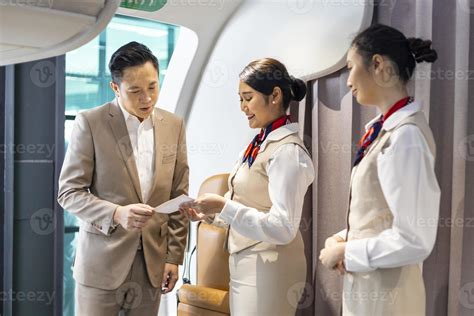
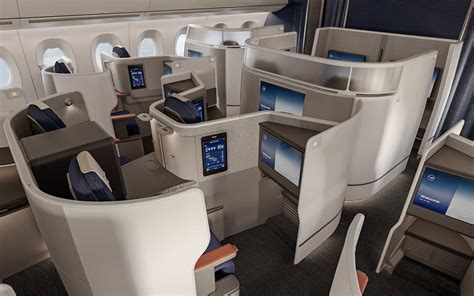
Flying long haul with a traditional airline often includes amenities such as larger seats, in-flight entertainment, complimentary meals, and multiple class options. While some of these features are now being unbundled (e.g., checked baggage or meals for economy passengers), the baseline level of comfort remains significantly higher than what is typical with budget carriers.
Business and first-class cabins offer lie-flat seating, curated dining menus, and exclusive lounges. Even in economy, seat pitch, recline, and cabin service quality surpass most low-cost alternatives. For many travelers, particularly on flights exceeding six hours, these features are not just perks but essentials.
Robust Loyalty Programs and Alliances
A critical differentiator is the presence of frequent flyer programs and global airline alliances. Programs such as SkyMiles, MileagePlus, or Flying Blue reward repeat customers with upgrades, lounge access, and elite status perks.
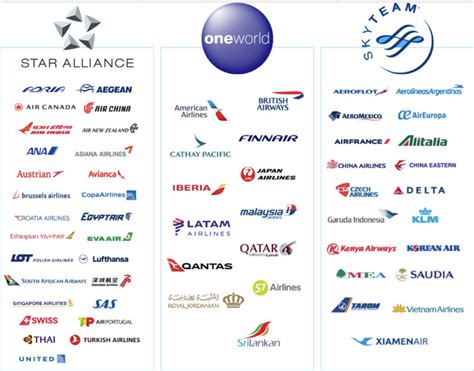
Traditional airlines are also part of major alliances like Star Alliance, Oneworld, and SkyTeam, allowing for smoother international connections, shared lounges, and status reciprocity. Business travelers and frequent flyers derive significant long-term value from these ecosystems.
Higher Standards of Safety and Compliance
While both traditional and low-cost airlines must adhere to regulatory standards, legacy carriers generally maintain larger safety departments, older but rigorously maintained fleets, and higher pilot training thresholds. Their long-standing reputations are built upon an expectation of safe, consistent, and well-managed operations.
Some argue that budget airlines fly newer aircraft—and often they do—but fleet age alone is not a holistic measure of safety. Maintenance schedules, crew training, and redundancy planning matter equally, areas where traditional carriers continue to invest heavily.
Global Reach and Connectivity
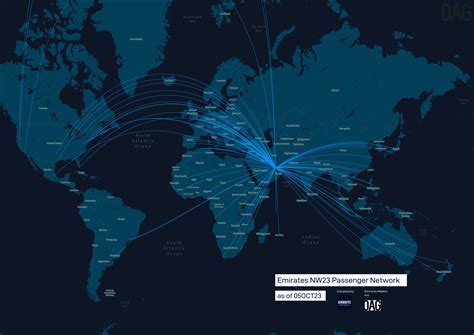
Legacy carriers maintain expansive intercontinental networks, often through hub-and-spoke systems. This enables them to connect travelers between cities that would otherwise require multiple bookings or overnight stays when flying with low-cost carriers.
For example, a traveler flying from San Francisco to Johannesburg could complete the journey with a single booking through partners in the Star Alliance, something budget carriers simply cannot offer. Additionally, travelers benefit from through-checked luggage, interline agreements, and single-point customer service across journeys.
The Intangible: Trust and Brand Legacy
For many, flying with a traditional airline carries an emotional assurance rooted in brand trust. Whether it’s the consistent uniforms, the familiar safety announcements, or the brand’s history, travelers often choose legacy carriers out of habit and confidence.
That trust is not misplaced—airlines like Singapore Airlines, Qatar Airways, and ANA routinely rank at the top of customer satisfaction surveys and have won countless industry awards for service excellence. These carriers invest in soft product areas like hospitality, design, and personalized care in ways budget airlines simply cannot replicate within their business models.
Where Traditional Airlines Fall Short
It would be remiss not to acknowledge the challenges faced by traditional airlines. Their legacy systems often result in higher operational costs, making them less nimble in volatile markets. Labor unions, fuel hedging, and aircraft leasing strategies also impose structural limitations.
Moreover, as traditional airlines introduce basic economy fares to compete with low-cost rivals, they risk diluting their brand value and alienating core customer segments. Transparency in pricing and service tiering has become critical to avoid consumer backlash.
Yet, despite these hurdles, the core proposition of a traditional airline remains relevant: to provide a consistent, full-service, and globally connected experience backed by decades of operational and customer service excellence.
Conclusion: The Enduring Appeal of Full-Service Carriers
In a world captivated by price wars and stripped-down services, traditional airlines continue to represent a gold standard in air travel. They provide an experience tailored not just for the cost-conscious but for those who value reliability, service quality, global connectivity, and brand trust.
While low-cost airlines have revolutionized short-haul travel, particularly in regions like Europe and Southeast Asia, their long-haul expansion remains limited and often short-lived. Travelers who require more than just a seat in the sky—those who demand peace of mind, premium experiences, and seamless global itineraries—will continue to find their home in the cabins of legacy carriers.
As we look ahead, it’s clear that both models—low-cost and traditional—have a place in the evolving aviation landscape. But for those who view travel as more than a transaction, traditional airlines remain not just relevant, but essential.