As we step into 2025, a transformative summer is unfolding for the tourism industry across Asia. Travelers are increasingly prioritizing cost savings while seeking enriching cultural experiences. Cities such as Nha Trang in Vietnam, Osaka in Japan, Surabaya in Indonesia, and Kuala Lumpur in Malaysia are at the forefront of this trend, offering affordable choices that are steeped in rich cultural heritage and activities suitable for everyone. This shift towards value-driven travel reflects a broader transformation within the global tourism landscape, where destinations are adapting to the preferences of budget-conscious Gen Z and Millennial travelers who crave authentic experiences without breaking the bank.
The rise of value-oriented travel is not merely a fleeting trend; it signals a profound evolution in how people perceive and engage with tourism. As these cities vie for the attention of both domestic and international travelers, they are implementing creative pricing strategies, flexible policies, and immersive local experiences to cater to the digitally-savvy and experience-seeking tourists of today. Experts predict that these trends will have lasting implications for the tourism sector, which has long sought ways to diversify its offerings and capture a larger share of the rapidly expanding regional travel market.
The Shift Towards Value-Driven Travel
At the heart of this movement is a significant change in travelers’ attitudes in Asia. There is a growing demand for affordability and local engagement during trips, particularly in destinations that boast historical landmarks, authentic local experiences, and environmentally friendly practices. Countries like Indonesia, Japan, Vietnam, and Malaysia have seen a remarkable surge in both domestic and regional tourists flocking to cities like Surabaya, Osaka, Nha Trang, and Kuala Lumpur. These locations, traditionally known for their budget-friendly options, are now emerging as cultural hotspots for international visitors.
Surabaya and Nha Trang, for example, offer an array of experiences, from food tours to wellness retreats and nature-based activities, all designed to attract value-focused travelers seeking enriching and affordable vacations. These cities present a refreshing alternative to the more expensive and overcrowded tourist traps found elsewhere, allowing visitors to immerse themselves in the vibrant cultures of Asia without straining their wallets. Whether it’s delving into Surabaya’s cultural tapestry, unwinding on Nha Trang’s stunning beaches, or savoring Osaka’s culinary delights, these cities are becoming essential stops for those eager to experience the essence of Asia.

Surabaya and Osaka: Culture-Rich and Budget-Friendly
Surabaya, Indonesia’s second-largest city, is witnessing a remarkable transformation as it repositions itself as a cultural hub for regional travelers. The city’s historic landmarks, coupled with its rich culinary heritage and proximity to lush tropical forests, make it an ideal destination for backpackers and culture enthusiasts alike. Visitors can indulge in the bustling street food scene, explore the House of Sampoerna Museum, and wander through traditional markets, all while immersing themselves in Indonesia’s fascinating history. This cultural depth, combined with the low cost of experiencing it, is making Surabaya a hotspot for those seeking an affordable yet fulfilling vacation.
On the other hand, Osaka, known for its sophisticated charm, is adjusting to the demands of budget travelers. Thanks to a weakened yen, Osaka is increasingly accessible to foreign visitors, especially those from neighboring countries like China, South Korea, and other parts of Southeast Asia. The city’s extensive public transportation system and reasonably priced accommodations further enhance its appeal, drawing diverse travel styles. Tourists can explore local markets, sample street food staples such as takoyaki and okonomiyaki, and visit iconic sites like Osaka Castle—all at a fraction of the cost compared to destinations like Tokyo. Osaka is capitalizing on this regional tourism trend by making cultural experiences affordable and approachable for all.
Nha Trang and Kuala Lumpur: Pioneering Affordable Luxury
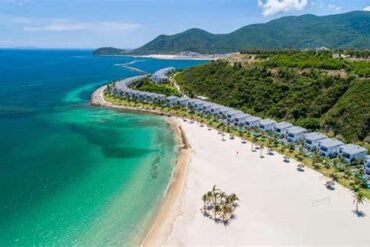
Nha Trang, Vietnam, exemplifies the growing trend of value-driven tourism, celebrated for its pristine beaches and laid-back atmosphere. What sets Nha Trang apart is its commitment to sustainability, offering travelers a chance to engage in eco-friendly practices while enjoying immersive local experiences. From food tours that highlight local cuisine to wellness retreats that rejuvenate the body and mind, Nha Trang has become a model for how affordable destinations can provide enriching cultural experiences without compromising on quality.
The rise of wellness tourism worldwide has positioned Nha Trang as a go-to destination for those seeking mental and physical revitalization in a serene and budget-friendly environment. Meanwhile, Kuala Lumpur is thriving as it continues to gain recognition as an affordable, multicultural haven. The Malaysian capital is characterized by its striking blend of modern skyscrapers, traditional Malay culture, and a vibrant street food scene. With an increasing number of travelers seeking authentic local experiences at reasonable prices, Kuala Lumpur is steadily rising in popularity. Visitors can explore UNESCO-listed sites, indulge in local markets, and savor street food—all while staying within budget.
Accommodations in Kuala Lumpur cater to a wide range of travelers, from families to solo adventurers, offering everything from no-frills hostels to mid-range hotels. This diversity makes Kuala Lumpur an attractive option for budget-conscious tourists eager to experience Malaysia’s rich culture and history without overspending.
The Impact of Technology on Value-Driven Travel
The growth of value-driven travel in Asia has also sparked a technological revolution within the hospitality sector. As the demand for affordable travel options increases, hotels in these emerging destinations are adopting dynamic pricing strategies to better accommodate both domestic and international guests. By implementing bundling techniques—such as food tours, guided cultural experiences, and wellness retreats—hotels are not only meeting guest expectations but also enhancing revenue streams.
The integration of technology into the travel experience is evident as hotels invest in AI software and online tools to dynamically adjust room rates based on demand. This ensures competitive pricing while providing guests with the best possible value. For instance, hotels in Surabaya, Osaka, and Nha Trang are currently offering discounts during peak seasons for stays booked alongside bundled experiences, effectively boosting occupancy rates and guest satisfaction. This data-driven approach, combined with flexible booking options, empowers travelers to plan affordable vacations while enjoying personalized experiences that resonate with their travel aspirations.
Supporting Local Economies Through Regional Tourism
The rise of value-based tourism has brought significant benefits to local economies in Asia’s burgeoning destinations. As travelers increasingly opt for regional and budget-friendly locales, spending on local businesses—such as hotels, restaurants, cultural attractions, and tour operators—has seen a steady increase. Cities like Surabaya, Osaka, Nha Trang, and Kuala Lumpur are experiencing a surge in tourist numbers, leading to job creation and new opportunities for local artisans and small businesses.
Moreover, there is a growing desire among tourists for authentic local experiences, pressuring destinations to adopt sustainable tourism practices. These initiatives not only contribute to the preservation of cultural and environmental heritage but also appeal to travelers who are becoming more conscious of their impact on the planet. In both Vietnam and Indonesia, governments are partnering with local communities to create sustainable tourism models that lift people out of poverty while protecting natural and cultural resources.
Conclusion: The Future of Budget Travel in Asia
As we embrace a new era of value-driven travel in Asia, summer destinations are seizing the opportunity to adapt to what travelers truly desire. With an increasing focus on affordability, sustainability, and authentic experiences, cities like Surabaya, Osaka, Nha Trang, and Kuala Lumpur are poised to maintain their popularity in the coming years. The appeal is clear: these cities are tapping into a growing appetite for accessible and enriching travel experiences that cater to a diverse range of travelers. Through the use of innovative technologies, dynamic pricing, and experiential marketing, these destinations are ensuring they remain competitive and attractive for those seeking meaningful and affordable adventures. With the rise of regional tourism, Asia’s budget-friendly summer spots are paving the way for a new kind of travel experience—one that is deeply rooted in culture, sustainability, and accessibility.