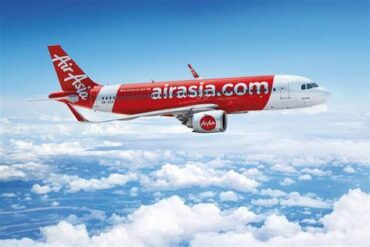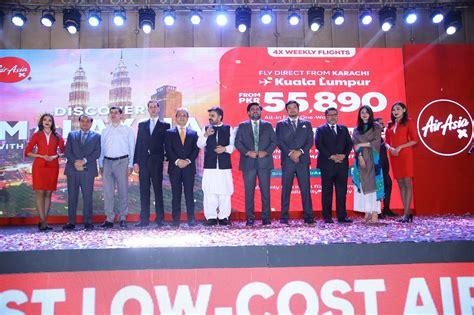
AirAsia X is marking a major milestone in its strategic growth trajectory with the resounding success of its Karachi–Kuala Lumpur route, a pivotal air corridor now experiencing exceptional demand. Since its launch on 30 May 2025, the medium-haul arm of the globally recognized low-cost airline has reported an average load factor of 80%, underscoring the strength of passenger interest and the potential for robust growth in air travel between Pakistan and Southeast Asia.
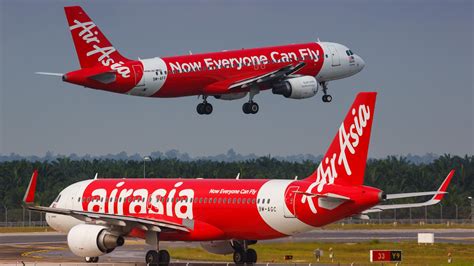
This early success not only reinforces AirAsia X’s long-term vision but also sends a strong signal to regional competitors: the airline is not merely entering markets — it’s dominating them. Karachi, Pakistan’s largest city and economic hub, is now firmly connected to Kuala Lumpur, Southeast Asia’s premier aviation crossroads. This connection is proving to be more than just a direct route — it’s a gateway to a wide array of destinations, creating an intricate web of travel opportunities across the ASEAN region and Australia.
Strong Passenger Demand Drives Optimism and Expansion
The high load factor — a key performance indicator in aviation — points to sustained interest from both business and leisure travelers. With more than 7,000 passengers already flying the route, of which 90% are non-Malaysian nationals, AirAsia X is rapidly establishing this corridor as a preferred international link.
Such a diverse passenger profile is uncommon for newly launched routes, and it highlights how Kuala Lumpur is transforming into a strategic regional transit hub, not just for Malaysians but for a broader international community. The implication is clear: travelers are leveraging Kuala Lumpur as a launch pad to reach exotic and in-demand locations including Bali, Phuket, Singapore, Perth, and Melbourne.
Seamless Travel with AirAsia’s Fly-Thru Service
A significant portion of Pakistani passengers have utilized the AirAsia Fly-Thru service, a hallmark of the airline’s regional connectivity innovation. This service enables passengers to book connecting flights with a single itinerary, bypassing the need for new check-ins or immigration at transit points. For Pakistani travelers, this feature has proven invaluable, offering smooth onward journeys to multiple ASEAN and Australasian cities.
Fly-Thru’s user-friendly design is also attracting international flyers who are looking for affordable and convenient multi-stop travel. With travel preferences shifting globally towards experiential and extended vacations, the Fly-Thru model is aligning perfectly with market expectations.
Exclusive Promotional Fares to Fuel Momentum
To capitalize on the growing popularity of this route and further boost ticket sales, AirAsia X is offering limited-time promotional fares. Pakistani travelers can now book one-way tickets from Karachi to Kuala Lumpur starting at just PKR 59,999, while travelers departing from Kuala Lumpur to Karachi can avail fares as low as RM 826.
These fares are accessible via the AirAsia MOVE app, airasia.com, and authorized agents. The booking window is open until 3 July 2025, with travel dates extending through 30 June 2026. This initiative reflects AirAsia X’s commitment to affordability and accessibility, especially for price-sensitive markets like Pakistan.
The airline’s ability to maintain service quality while offering competitive fares is a rare combination in the aviation industry. This approach is attracting a new generation of value-conscious travelers, including students, digital nomads, and families seeking to explore more while spending less.
Strengthening Regional and Global Connectivity
The Karachi–Kuala Lumpur route is not an isolated operation — it’s a strategically designed connection that feeds into AirAsia’s expanding global ecosystem. From Kuala Lumpur, passengers have access to a multitude of onward destinations. These include:
- Bali, Indonesia: A paradise for beach lovers, honeymooners, and culture enthusiasts.
- Phuket, Thailand: Famous for its tropical beaches, vibrant nightlife, and water adventures.
- Singapore: A modern metropolis and business hub, offering a mix of innovation, shopping, and culture.
- Perth and Melbourne, Australia: Key cities for both tourism and higher education, offering diverse experiences from rugged coastlines to urban sophistication.
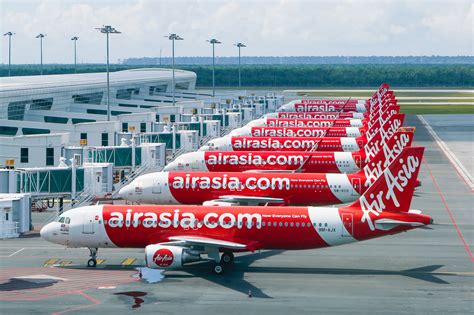
This route is essentially transforming Karachi into a virtual gateway to the world, especially for travelers looking to explore ASEAN, Australia, and beyond without the need to transit through expensive legacy airline hubs.
Flight Schedule Designed for Convenience
AirAsia X has thoughtfully crafted the flight schedule to serve both weekday and weekend travelers. With four weekly services, passengers have flexibility in planning their trips, whether for a quick business visit or an extended holiday.
- Flight D7109 (Karachi to Kuala Lumpur) departs at 22:45 and arrives at 08:05 the next day.
- Flight D7108 (Kuala Lumpur to Karachi) departs at 18:25 and lands at 21:30.
Service is available every Monday, Wednesday, Friday, and Sunday, balancing frequency with cost-efficiency and ensuring consistent availability for different travel needs.
Kuala Lumpur’s Emergence as a Premier Transit Hub
The broader significance of the Karachi–Kuala Lumpur connection lies in Kuala Lumpur’s rising stature as a global air transit hub. As regional and international airlines deepen their networks through Malaysia’s capital, the city is poised to become the next big player in intercontinental connectivity.
For AirAsia X, this means being at the epicenter of passenger flows between South Asia and Southeast Asia. The airline is strategically positioning itself to capture transit traffic from under-served cities like Karachi and redirect it through Kuala Lumpur to high-demand tourism and commercial destinations.
Enhancing Bilateral Tourism and Trade Opportunities
The route’s success is not just an aviation story — it has deeper economic and cultural implications. Enhanced air connectivity is set to boost tourism flows, business exchanges, and educational migration between Pakistan and Malaysia, two countries with shared economic interests and growing people-to-people ties.
Pakistani businesses will find easier access to Southeast Asian markets, while Malaysian universities and tourist hotspots are becoming more accessible to a young and mobile Pakistani population. In reverse, Malaysians can explore Pakistan’s rich historical landscapes, vibrant bazaars, and mountain regions with newfound ease.
Competitive Edge in a Growing Market
AirAsia X’s aggressive expansion comes at a time when airline competition in South Asia is heating up. While legacy carriers struggle with cost burdens and operational constraints, AirAsia X is leveraging its low-cost, high-efficiency model to win over markets that are traditionally underserved.
With its focus on technology-driven booking systems, mobile convenience, and no-frills pricing, the airline is staying ahead of industry trends. Its integration with the AirAsia MOVE platform allows passengers to book, manage, and track their entire travel journey in one seamless interface.
Outlook: A Skyward Trajectory
As AirAsia X evaluates future opportunities, the early success of the Karachi–Kuala Lumpur route may serve as a blueprint for further expansion into other Pakistani cities such as Lahore and Islamabad, and deeper ASEAN integration.
With consumer confidence rising, travel demand resurging post-pandemic, and airfares becoming more competitive, AirAsia X is uniquely positioned to dominate this sector. By connecting travelers not just across borders but across experiences, the airline is redefining what modern air travel can look like for emerging markets.
The Karachi–Kuala Lumpur success is not an endpoint. It’s the first takeoff in what appears to be a long-haul journey toward regional aviation leadership.