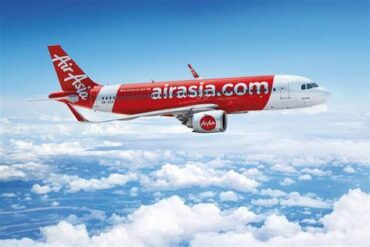
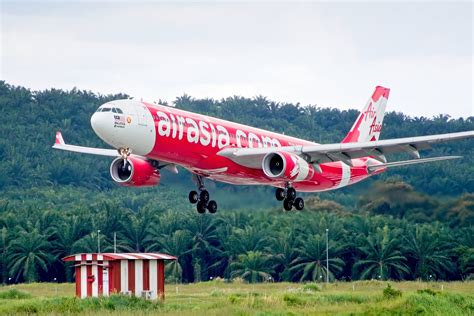
Australia has taken a decisive leap in bolstering its regional influence and deepening economic ties with Southeast Asia through the launch of AirAsia’s direct flights connecting Kuala Lumpur to Darwin. This strategic air corridor marks a significant milestone for both Australia and ASEAN nations, opening the door to expanded trade, tourism, and investment flows between the regions.
The inaugural flight, which touched down in Darwin, symbolizes more than a new air route—it represents a calculated move by the Northern Territory Government to position Darwin as a northern gateway, directly linking Australia to one of Asia’s most critical aviation and economic hubs. With Kuala Lumpur serving as AirAsia’s central node, the four-times-weekly service establishes seamless access to over 130 destinations across Asia, amplifying Darwin’s global connectivity like never before.
A Strategic Pivot to Enhance Regional Integration
The launch of this direct route is a linchpin in Australia’s broader ambition to deepen engagement with Southeast Asia, particularly in line with its Indo-Pacific strategic framework. For the Northern Territory, this development is not merely about convenience for travelers; it’s an economic catalyst designed to unlock new avenues of growth across multiple sectors.
The flights are delivered under the Territory Aviation Attraction Scheme, a government-backed initiative targeting increased international air access. The program reflects a multi-stakeholder collaboration involving AirAsia, the Airport Development Group, and territorial authorities, underscoring the high-level commitment to establishing sustainable, long-term air links.
According to officials, the service is poised to drive:
- Elevated inbound tourism from Southeast Asia
- Enhanced airfreight operations for trade and logistics
- Broader investment opportunities in Darwin and surrounding regions
The move also strategically aligns with ASEAN’s growing economic clout. Southeast Asia represents one of the fastest-growing regions globally, with a burgeoning middle class, expanding tourism markets, and escalating trade demands. By directly connecting to Kuala Lumpur International Airport, Darwin secures a vital access point to these dynamic opportunities.
Economic Implications: Trade, Freight, and Beyond
At the heart of this development lies the economic transformation of Northern Australia. The direct flights are expected to significantly bolster the region’s airfreight capacity, improving the efficiency of cargo movement between Australia and key Asian markets. Darwin, strategically located on the country’s northernmost edge, offers proximity to Southeast Asia unmatched by any other Australian city.
Officials from the Airport Development Group, which operates Darwin International Airport, emphasized that the route unlocks competitive advantages for logistics providers and exporters alike. The service creates new efficiencies for the movement of perishable goods, mining exports, and high-value commodities, streamlining supply chains that are vital to the Northern Territory’s export-driven economy.
Furthermore, as regional supply chains recalibrate in response to global uncertainties and post-pandemic economic realignment, Darwin’s role as a logistics and trade hub becomes increasingly pivotal. AirAsia’s extensive network across Asia, coupled with Darwin’s port and freight infrastructure, positions the Territory as a linchpin in emerging Indo-Pacific trade routes.
Tourism Surge: The Top End in Global Spotlight
Beyond trade, the direct flights are set to energize Northern Australia’s tourism industry. Known as the “Top End,” the region boasts rich natural landscapes, cultural heritage, and adventure experiences that appeal strongly to Southeast Asian travelers.
To maximize exposure, AirAsia Malaysia and the Northern Territory Government launched a high-profile familiarisation tour involving media representatives and influencers from Malaysia and Indonesia. The campaign introduces Southeast Asian audiences to iconic attractions such as:
- Kakadu National Park’s ancient rock art and wildlife reserves
- Litchfield National Park’s waterfalls and swimming holes
- Darwin’s vibrant waterfront, markets, and Indigenous cultural sites
These efforts are designed to build long-term brand awareness for the Top End, positioning it as a must-visit destination for ASEAN tourists seeking unique experiences within easy reach.
The initiative capitalizes on favorable travel trends, with Southeast Asia experiencing robust outbound tourism growth. AirAsia’s affordable pricing, with promotional one-way fares from $219 AUD, further lowers barriers for leisure and business travelers exploring Australia’s north.
AirAsia’s Role in Deepening Australia-ASEAN Connectivity
AirAsia, renowned for revolutionizing low-cost travel across Asia, views the Darwin route as a cornerstone in its ongoing expansion into Australia. The airline’s leadership described the service as a “game-changer” that enhances cross-border mobility, strengthens cultural ties, and amplifies investment flows.
AirAsia’s entry complements a broader trend among Southeast Asian carriers to intensify operations in Northern Australia. The region’s geographic proximity, growing economic synergies, and tourism potential make it an attractive market for airlines seeking to tap into Australia-Asia demand corridors.
The airline’s extensive network also provides Darwin residents and businesses with greater access to Asian markets, facilitating:
- Business travel to economic centers such as Singapore, Jakarta, Bangkok, and Ho Chi Minh City
- Seamless connections for Australian exporters to engage with new buyers and markets
- Expanded educational exchanges and cultural interactions between Australia and Southeast Asia

Strategic Benefits for Northern Australia and ASEAN
The implications of the Kuala Lumpur-Darwin flights extend well beyond aviation. They represent a calculated strategy by the Northern Territory to integrate more deeply into ASEAN’s economic architecture, positioning Darwin as Australia’s northern commercial and cultural frontier.
From an investment standpoint, enhanced connectivity raises the Northern Territory’s profile among Southeast Asian investors seeking new ventures in sectors like:
- Renewable energy and critical minerals
- Agribusiness and food exports
- Infrastructure and logistics development
- Tourism and hospitality
In parallel, improved air links are expected to foster stronger diplomatic ties, educational exchanges, and people-to-people connections between Australia and its ASEAN neighbors. Such interactions are critical for building trust, fostering regional stability, and driving shared prosperity in the Indo-Pacific.
A Timely Boost Amid Global Aviation Recovery
The launch of AirAsia’s Darwin-Kuala Lumpur route comes at a pivotal time for the global aviation industry. As air travel rebounds post-pandemic, airlines and governments are recalibrating networks to align with shifting economic dynamics and traveler preferences.
Direct, efficient routes to high-growth regions like Southeast Asia are crucial for capturing emerging demand. Australia’s proximity to ASEAN markets, combined with policy initiatives like the Territory Aviation Attraction Scheme, ensures it remains competitive in the race for tourism dollars, trade partnerships, and investment capital.
The collaboration between AirAsia, the Northern Territory Government, and aviation stakeholders exemplifies how targeted partnerships can deliver tangible economic dividends. As the route matures, its success will be measured not only in passenger numbers but in the depth of economic, cultural, and diplomatic ties forged across the region.
Conclusion: Darwin as Australia’s Northern Gateway to Asia
With AirAsia’s direct flights now operational, the Northern Territory stands at the forefront of Australia’s renewed push to engage Southeast Asia more effectively. Darwin’s evolution into a key northern gateway is no longer aspirational—it is unfolding in real time, with strategic air links paving the way.
Enhanced connectivity to Kuala Lumpur, one of Asia’s busiest aviation hubs, amplifies Darwin’s role in driving tourism, trade, and investment flows. It aligns seamlessly with Australia’s Indo-Pacific priorities and the Northern Territory’s ambition to leverage geographic advantages for long-term economic growth.
As Southeast Asia continues to rise, and regional cooperation deepens, initiatives like the AirAsia Darwin route exemplify how aviation can serve as both an economic enabler and a diplomatic bridge. For Australia, the flight path to stronger ASEAN ties begins—and lands—in Darwin.