AirAsia has taken another bold step in strengthening its dominance in the Southeast Asian aviation market with the launch of two exclusive direct routes connecting Kuala Lumpur and Kuching to Pontianak, the capital of West Kalimantan, Indonesia. This strategic expansion, officially beginning on September 12, 2025, is poised to significantly enhance cross-border tourism, regional business collaboration, and economic integration between Malaysia and Indonesia.
A New Era in Regional Air Travel
With these new connections, AirAsia becomes the sole international carrier operating direct flights to Pontianak, a city long underserved in terms of international air access. This strategic addition elevates AirAsia’s Indonesian destination count to 17, while boosting its total weekly flight frequency between Malaysia and Indonesia to 223—an unmatched feat in the region. These figures not only underscore AirAsia’s operational strength but also reflect the airline’s unwavering commitment to expanding regional connectivity in response to evolving travel demand.
Pontianak, situated directly on the equator and steeped in rich cultural heritage, has remained a key gateway to western Borneo. By introducing direct flights from both Malaysia’s bustling capital, Kuala Lumpur, and the vibrant city of Kuching in Sarawak, AirAsia is unlocking new opportunities for tourism, trade, and investment in a region ripe for development.
Strategic Timing to Support Government Tourism Goals
The timing of this launch is critical. As Malaysia targets 4.3 million Indonesian visitors by the end of 2025, and Sarawak aims to attract five million total visitors, these new flight routes could play a pivotal role in achieving those national tourism benchmarks. Simultaneously, Indonesia has set its own ambitious goal of drawing 16 million international visitors by 2025, with Malaysia representing one of the largest outbound markets.
The addition of these routes provides unparalleled ease of travel for tourists and business travelers alike. Previously, reaching Pontianak from Kuala Lumpur or Kuching often required layovers and multiple connections, posing logistical and time-related hurdles. With AirAsia’s direct routes, door-to-door travel becomes far more efficient and affordable, making cross-border trips both accessible and appealing.
Pontianak: A Rising Destination for Tourism and Business
Pontianak’s potential as a travel and commercial hub is steadily growing. The city is not only the administrative heart of West Kalimantan, but also a vital center for trade, agriculture, and ecotourism. As the region continues to modernize, interest from Malaysian investors and tourists has grown—now better facilitated by AirAsia’s new routes.
For business travelers, Pontianak offers untapped prospects across sectors like palm oil, timber, fisheries, and small-scale manufacturing, all of which can benefit from improved connectivity. The enhanced routes also support bilateral government programs aimed at strengthening Malaysia-Indonesia economic ties, particularly under broader ASEAN integration efforts.
Tourists, meanwhile, will be drawn to Pontianak’s unique attractions—the Equator Monument, cultural festivals, Melayu culinary experiences, and lush national parks—now just a short flight away from two key Malaysian cities. These routes act as a direct corridor for leisure travelers looking to explore new corners of Borneo without the complication of border detours.
Strengthening Sarawak’s Global Tourism Footprint
The Kuching-Pontianak route is especially vital in Sarawak’s vision of becoming a top-tier eco-tourism destination. As Sarawak bolsters its promotion of cross-border experiences and rural tourism, AirAsia’s flights will serve as a key connector for regional tourists, researchers, students, and entrepreneurs.
Kuching, being geographically close to Pontianak, has long shared cultural and familial ties with West Kalimantan. With this new air bridge, Sarawakian businesses can better explore joint ventures, schools and universities can expand academic exchanges, and tour operators can offer combined travel itineraries across both regions, giving rise to new packages like “Twin Borneo Adventures.”
This route also promises to stimulate demand at Kuching International Airport, reinforcing its status as a regional hub in East Malaysia. With greater international footfall, Sarawak can expect a boost in hotel occupancy, transportation demand, and local SMEs benefiting from tourism dollars.
Kuala Lumpur to Pontianak: A Power Move for Capital Connectivity
The launch of the Kuala Lumpur–Pontianak route is a calculated move aimed at consolidating AirAsia’s leadership position in the Malaysia–Indonesia travel corridor. Kuala Lumpur remains a critical global aviation hub and launching point for regional travel, and this new connection to Pontianak enhances the capital city’s reach further into Indonesia’s growing provinces.
Passengers flying from Kuala Lumpur International Airport (KLIA2) now have seamless access to an emerging Indonesian destination, without the inconvenience of routing through Jakarta or other busy urban hubs. Business professionals, traders, medical tourists, and VFR (Visiting Friends and Relatives) passengers will appreciate the streamlined travel experience, which now enables single-leg, low-cost travel between two important capitals.
This route also opens up more travel options for Indonesians wishing to explore Peninsular Malaysia, whether for shopping, education, health services, or urban tourism. The downstream economic benefits for KL’s hospitality, retail, and transport sectors are poised to be substantial.
Cementing AirAsia’s Market Leadership
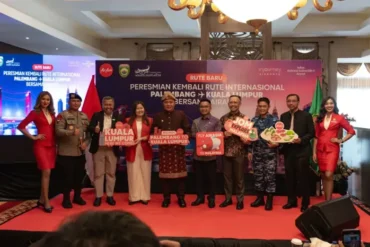
This announcement marks a continuation of AirAsia’s bold network strategy, coming hot on the heels of its recent Kuala Lumpur–Palembang route in July 2025 and ahead of the Kuala Lumpur–Semarang route set for September 2025. Together, these launches illustrate AirAsia’s methodical expansion into underserved Indonesian secondary cities, which are now emerging as hotbeds of tourism and investment.
The carrier’s robust network now includes 17 Indonesian destinations, ranging from well-known hubs like Jakarta and Bali to strategic, growth-oriented markets like Pontianak. Its 223 weekly Malaysia–Indonesia flights make AirAsia the largest operator between the two nations, giving it a formidable advantage over regional competitors.
This approach reflects AirAsia’s ethos of identifying routes with latent potential and capitalizing on underserved demand. By doing so, the airline has continually demonstrated its ability to democratize air travel, opening new doors for travelers of all budgets.
Official Launch at the Sarawak Travel Fair in Pontianak
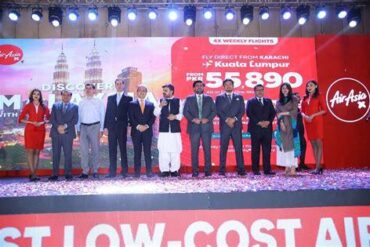
The launch event, held at the Sarawak Travel Fair in Pontianak, further underscored the regional significance of the new routes. Attended by dignitaries including Bapak Drs. Ria Norsan, the Governor of West Kalimantan, the event highlighted the mutual economic and cultural benefits expected from increased air connectivity.
Organized by the Sarawak Tourism Board, the fair provided a platform to promote regional destinations, engage travel trade professionals, and highlight cross-border partnership opportunities. The Board’s emphasis on leveraging tourism as a bridge for stronger intergovernmental relations was perfectly aligned with AirAsia’s initiative.
The involvement of both public and private sectors in the route’s launch also reflects a collaborative approach to regional development—a key hallmark of sustainable tourism and economic planning in ASEAN.
Forward Momentum: What’s Next for Southeast Asian Aviation?
As the aviation industry continues to rebound from global disruptions, AirAsia’s focused investments in new cross-border routes signal confidence in Southeast Asia’s travel resurgence. These new services are more than just added destinations—they are part of a broader strategy to weave together the social, cultural, and commercial fabric of the region.
The Kuala Lumpur and Kuching to Pontianak flights represent a blueprint for future airline expansion: targeting secondary cities with growing demand, connecting them directly to capital hubs, and supporting government tourism targets along the way.
By tapping into latent demand and offering budget-friendly, direct air links, AirAsia is not only capturing market share—it’s redefining how connectivity shapes economic opportunity across borders. In doing so, it strengthens not only its own brand but also the very bridges that bind Malaysia and Indonesia in partnership, prosperity, and people-to-people exchange.