The aviation landscape of Southeast Asia is undergoing a strategic transformation as Batik Air Malaysia and AirAsia Indonesia partner to introduce new flight routes that dramatically enhance regional connectivity. The initiative, aimed at stimulating tourism and economic activity, brings together strategic destinations such as Kuala Lumpur, Surabaya, Bangkok, Palembang, and remote regions in Borneo. With an emphasis on affordable, direct flights, this collaboration marks a pivotal moment in the regional airline industry, fostering unprecedented mobility across international and domestic networks.
Strategic Launch: Kuala Lumpur to Palembang via Batik Air
On September 12, 2025, Batik Air will officially launch its daily direct service connecting Kuala Lumpur International Airport (KLIA) to Palembang’s Sultan Mahmud Badaruddin II International Airport (PLM). The outbound flight OD362 will depart Kuala Lumpur at 20:00, arriving in Palembang at 20:30, thanks to the minimal time difference. The return flight, OD363, will take off from Palembang at 07:30, landing in Kuala Lumpur by 10:10. These flights will be operated on the Boeing 737-800, offering a swift 90-minute airborne experience.
This route is not merely another addition to Batik Air’s roster — it’s a calculated expansion strategy to integrate lesser-connected Indonesian cities into broader regional access. Palembang, the capital of South Sumatra, boasts a wealth of tourism appeal — from its colonial heritage to iconic sites like the Ampera Bridge and nearby natural wonders. By connecting Kuala Lumpur directly, Batik Air taps into a robust demand for cross-border travel between Malaysia and Indonesia, catering to both leisure travelers and business professionals alike.
AirAsia Broadens Horizons: Surabaya to Bangkok and Beyond
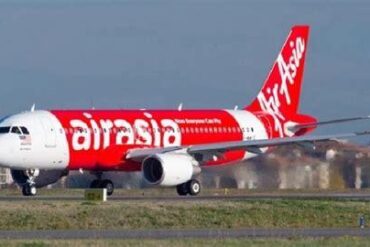
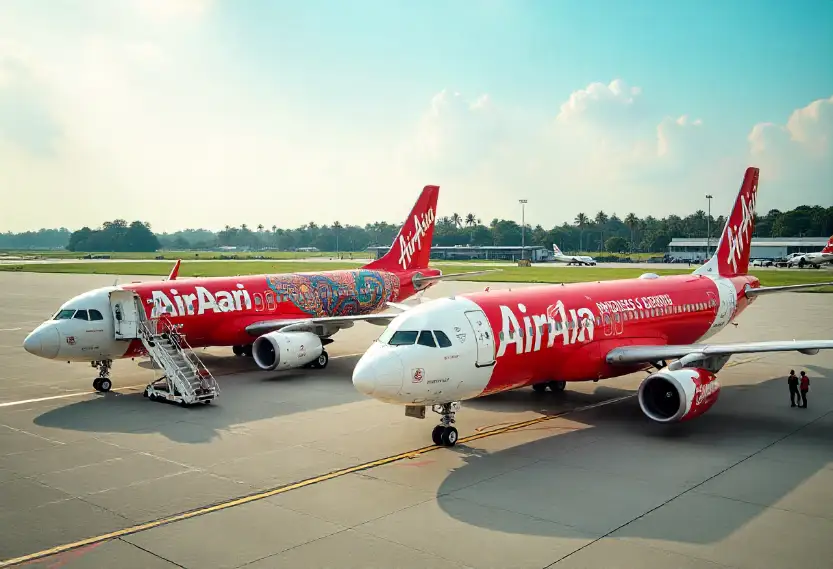
In a powerful expansion move, AirAsia Indonesia is amplifying its regional presence through the launch of direct flights between Surabaya and Bangkok, commencing on October 2, 2025. Flight QZ330 will leave Juanda International Airport in Surabaya at 13:30, arriving at Bangkok’s Don Mueang International Airport at 17:50. The return journey, QZ331, departs Bangkok at 18:25, landing in Surabaya by 22:35. These routes will be serviced by the Airbus A320, known for its fuel efficiency and reliability on mid-range routes.
This new corridor between Indonesia’s second-largest city and Thailand’s bustling capital addresses a rising demand for connectivity in the Mekong and Nusantara economic zones. Bangkok is not only a top tourist destination but also a key node for regional corporate activity, attracting over 15 million business travelers annually. AirAsia’s entry into this market creates an affordable, efficient bridge between two powerful urban centers of commerce and culture.
Unlocking the Remote: AirAsia Connects Surabaya to Borneo
Taking its commitment to regional inclusivity a step further, AirAsia is introducing new domestic flights from Surabaya to northeast Borneo, opening access to previously underserved areas like Tarakan, Tanjung Redeb, and Balikpapan. This ambitious initiative begins on October 1, 2025, reshaping how eastern Indonesia connects with major economic centers.
Flight QZ770 will commence its journey from Surabaya at 05:10, make a brief stop in Balikpapan by 07:45, and continue onward to Tarakan’s Juwata International Airport, arriving at 09:30. The return flight, QZ771, departs at 10:00, landing in Surabaya at 12:20, inclusive of the Balikpapan stopover. Similarly, the route to Tanjung Redeb (QZ772) will follow the same timing pattern on Tuesdays, Thursdays, and Saturdays, providing a vital lifeline to remote Kalimantan communities.
The three-hour-twenty-minute journey, conducted on the Airbus A320, represents a massive improvement in accessibility for areas long overlooked by major carriers. AirAsia’s strategic foray into North Kalimantan reflects a vision of equitable development, where even the most isolated regions gain access to national and international networks.
Why These Routes Matter: Tourism and Economic Synergy
At the heart of this expansion is a commitment to boosting regional tourism and economic cooperation. By bridging Malaysia, Thailand, and Indonesia with seamless, cost-effective flights, both Batik Air and AirAsia are dismantling the historical travel bottlenecks that previously deterred cross-border movement.
South Sumatra, for example, is now just a short hop from Kuala Lumpur, offering travelers a new destination rich in history, culture, and culinary heritage. With direct air access, tourist flows are expected to surge, especially among Malaysian travelers eager to explore Indonesia beyond Bali and Jakarta.
Meanwhile, the new Surabaya–Bangkok link integrates two key cities from ASEAN’s top three economies. This will incentivize trade missions, education exchanges, and conference-based travel, especially in the tech, automotive, and export sectors. The frequency and affordability of AirAsia’s service make it ideal for frequent flyers seeking a middle ground between budget and reliability.
In North Kalimantan, AirAsia’s entry represents more than convenience — it signals a development catalyst. These flights will facilitate cargo logistics, governmental access, and talent mobility, essential for modernizing remote provinces. It’s a testament to how airline routes can act as arteries of progress, circulating opportunities across islands and oceans.
Southeast Asia’s Aviation Boom: A Post-Pandemic Reawakening
The decision by Batik Air and AirAsia to aggressively expand comes as Southeast Asia rebounds from the pandemic-era travel slump. While international tourism saw sharp declines between 2020 and 2022, the pent-up demand has begun to surge. Airlines that adapt by expanding intelligently into high-potential and underutilized corridors stand to dominate the post-pandemic market.
Indonesia, with its archipelagic sprawl and population of over 270 million, remains a largely untapped market in terms of inter-island and cross-border air travel. Similarly, Malaysia and Thailand, key hubs in ASEAN’s commercial ecosystem, are doubling down on initiatives to enhance connectivity.
The alignment between these carriers is indicative of a larger trend — one where regional airlines form coalitions and strategic route-sharing agreements to unlock scale and efficiency. By doing so, they lower operational costs, spread market risk, and offer passengers more comprehensive travel options.
Toward a Unified Regional Network
As global aviation giants turn their attention to trans-Pacific and transatlantic expansion, it is regional carriers like AirAsia and Batik Air who are redefining Southeast Asia’s air travel paradigm. Their understanding of local demand patterns, cultural dynamics, and intra-ASEAN travel behavior gives them a distinct edge.
The new flights between Kuala Lumpur, Palembang, Surabaya, Bangkok, and Borneo form a nucleus of regional interconnectivity, potentially setting the groundwork for a future code-sharing ecosystem or even a regional airline alliance focused on Asia’s unique travel needs.
AirAsia’s presence in Bangkok also positions it well for future connections to Vietnam, Laos, and Cambodia. Similarly, Batik Air’s Malaysian operations could act as a feeder system for long-haul flights from South Asia or the Middle East. The Kuala Lumpur–Palembang route is especially potent, given KLIA’s strategic importance as a transit hub between Europe, the Middle East, and Australasia.
The Road Ahead: Expansion, Competition, and Innovation
With these expansions now in motion, competition among regional players is set to intensify. Airlines like Lion Air, Scoot, and Vietnam Airlines will likely respond with new offerings or enhanced loyalty programs to retain market share. But first-mover advantage rests with AirAsia and Batik Air, who are not just opening routes — they’re laying the foundation for integrated Southeast Asian aviation.
Technology will also play a critical role. The integration of real-time ticketing platforms, multi-language support, and AI-driven pricing models will determine which airline can offer both scale and personalization. For now, AirAsia’s mobile app and Batik Air’s in-flight service improvements give them an edge in customer experience.
Conclusion: A New Era for Southeast Asian Aviation
The combined expansion of Batik Air and AirAsia is more than a business move — it’s a reimagination of what travel across Southeast Asia can look like. With the introduction of direct, affordable, and frequent flights connecting major urban centers and remote provincial cities, the carriers are accelerating tourism, commerce, and cultural exchange.
From the majestic heritage of Palembang to the buzzing streets of Bangkok, and from Surabaya’s industrial might to the tranquil coastlines of North Kalimantan, these routes symbolize more than connectivity — they embody opportunity. The skies over Southeast Asia are changing, and for travelers, businesses, and communities, the journey has only just begun.