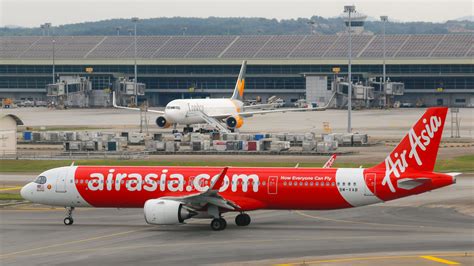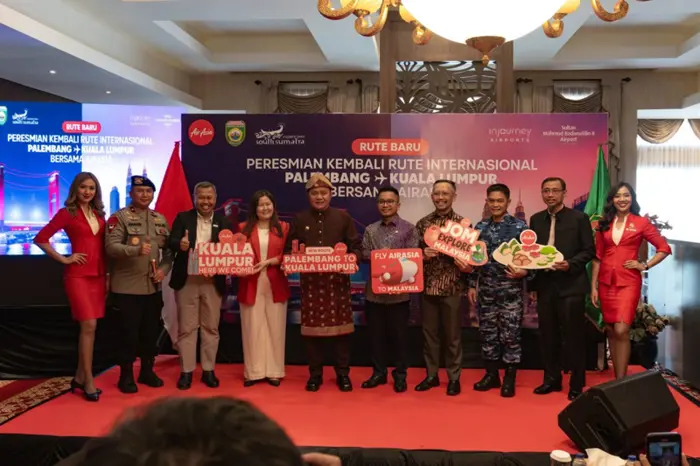
In a decisive move that reinforces its dominance in regional aviation, AirAsia Malaysia has unveiled two brand-new international routes from Kuala Lumpur to Palembang and Semarang, marking a major milestone in its strategy to deepen connectivity between Malaysia and Indonesia. With these additions, the airline now operates a staggering 188 weekly flights across 15 Indonesian cities—an achievement that underscores its role as a critical bridge in Southeast Asia’s aviation and tourism recovery.
A Strategic Leap: Connecting Malaysia to the Heart of Indonesia
The expansion is more than just an increase in flight numbers; it’s a direct investment into regional integration, economic growth, and cultural exchange. With Palembang, the capital of South Sumatra, and Semarang, the administrative and cultural hub of Central Java, added to its network, AirAsia amplifies access to two highly influential yet historically underserved urban centers.
These cities, rich in history and local flavor, represent high-potential markets for both leisure and business travel. The timing of this move aligns perfectly with the reopening of Sultan Mahmud Badaruddin II Airport and Jenderal Ahmad Yani Airport for international travel, making AirAsia the first foreign airline to resume direct international service to both destinations post-pandemic.
A Deepening Network: 188 Weekly Flights Across 15 Indonesian Cities
With the latest additions, AirAsia Malaysia’s Indonesian network now includes:
- Jakarta
- Bali (Denpasar)
- Medan
- Yogyakarta
- Banda Aceh
- Makassar
- Padang
- Pekanbaru
- Balikpapan
- Labuan Bajo
- Lombok
- Palembang
- Semarang
- From Penang to Jakarta and Medan
The addition of Palembang and Semarang increases the total destinations served in Indonesia to 15, with 188 weekly flights, solidifying AirAsia as one of the most connected international airlines in the country. This broad access not only makes travel easier for leisure and business passengers but also facilitates the movement of families, students, and cross-border entrepreneurs.
Cultural Powerhouses: Why Palembang and Semarang Were Chosen
Palembang: A Tapestry of Heritage and Progress
Palembang, Indonesia’s second-largest city on Sumatra, was once the epicenter of the Sriwijaya Empire, an ancient maritime kingdom that shaped the region’s religious and trading landscapes. Today, the city remains a dynamic blend of ancient heritage and modern urbanity. Dominating its skyline is the Ampera Bridge, a symbol of connectivity, much like AirAsia’s role in uniting Southeast Asia.

Its thriving culinary scene, featuring delights such as pempek and tekwan, attracts both domestic and international food lovers. Combined with a growing infrastructure, Palembang is poised to become a regional hub for tourism and trade.
Semarang: Java’s Creative Capital
Semarang, the capital of Central Java, delivers a striking contrast between old and new. It has received regional acclaim as Southeast Asia’s cleanest tourist destination under the ASEAN Clean Tourist City Standard (2020–2022). This accolade complements its growing reputation as a hub for urban innovation and heritage conservation.
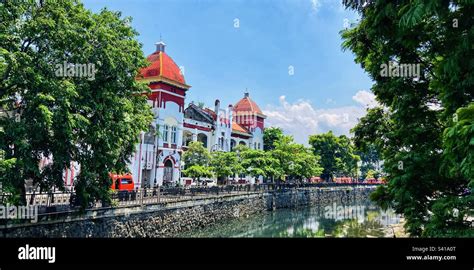
Tourists are drawn to Kota Lama, a well-preserved Dutch colonial area filled with art cafes and vintage architecture, and Kampung Pelangi, a color-splashed hillside community that serves as a model for grassroots urban renewal. The city also serves as a springboard to the surrounding temples and nature attractions of Central Java, making it an invaluable addition to AirAsia’s destination map.
Timing is Everything: Seizing First-Mover Advantage
The reopening of Palembang and Semarang’s international airports gave AirAsia a unique opportunity to regain early market leadership. As the first airline to restore international connectivity to these cities, it gains both goodwill and a loyal passenger base eager for reconnection.
This forward-thinking expansion also contributes to Indonesia’s tourism revival, aligning with the country’s ambition to attract 16 million international tourists in 2025. AirAsia’s proactive positioning allows it to ride the crest of this renewed travel interest while supporting the growth of secondary cities.
Launch Fares that Democratize Travel
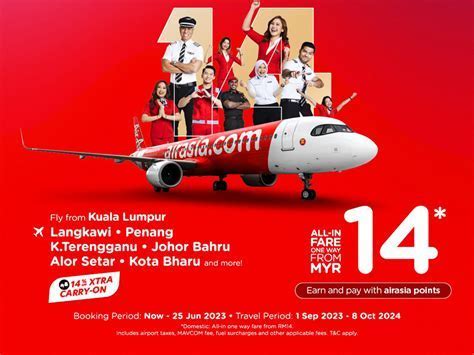
To mark this expansion, AirAsia has introduced exclusive promotional fares that significantly lower the financial barrier to international travel:
- Kuala Lumpur to Palembang: Starting at RM159 one-way, and IDR499,000 for Palembang to Kuala Lumpur.
- Kuala Lumpur to Semarang: Starting at RM199 one-way, and IDR799,000 for Semarang to Kuala Lumpur.
Bookings are open until 29 June 2025, for travel between 17 July 2025 and 28 March 2026 (Palembang) and 5 September 2025 to 28 March 2026 (Semarang). These fare promotions are not just incentives—they are instruments of travel accessibility in a recovering global economy.
Strengthening Regional Agendas: Visit Malaysia 2026 and Beyond
This strategic move feeds into the larger narrative of regional tourism cooperation. For Malaysia, it supports the government’s Visit Malaysia 2026 campaign, an ambitious national initiative designed to attract global tourists to explore the country’s natural, cultural, and modern attractions.
For Indonesia, these new air links serve as vital arteries in reaching its 16 million international arrivals goal. By making cities like Palembang and Semarang more accessible to international travelers, the campaign expands beyond Bali and Jakarta, diversifying the national tourism offering.
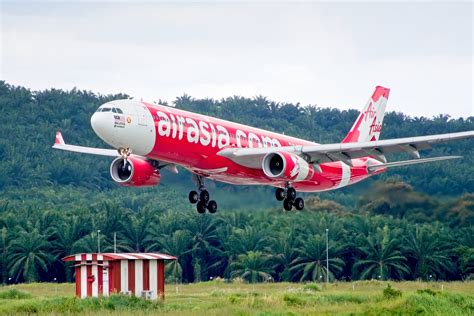
Moreover, these links facilitate bilateral trade, academic exchange, and multicultural engagement, generating ripple effects far beyond the tourism industry.
AirAsia’s Evolving Role as the Region’s Air Bridge
Over the past decade, AirAsia has carved a reputation as more than a low-cost airline—it’s a regional connector. It not only serves the mass market but also enables cross-border business, cultural diplomacy, and social reunification. The current expansion further confirms its commitment to high-frequency, affordable, and strategically placed flights across the ASEAN region.
As Captain Fareh Mazputra, CEO of AirAsia Malaysia, aptly stated: “Each new route opens up more opportunities for business, tourism and for people to reconnect.” This sentiment is at the core of AirAsia’s vision: making international travel not a privilege, but a practical reality for all.
Looking Ahead: A Regional Blueprint for Post-Pandemic Travel
This landmark announcement positions AirAsia at the forefront of post-pandemic aviation transformation in Southeast Asia. With a focus on underserved cities, strategic timing, and affordable travel options, the airline not only grows its network but elevates regional mobility to a new level.
It also sets a blueprint for other carriers to follow: investing in secondary cities, partnering with government stakeholders, and aligning route strategies with regional tourism goals. As Southeast Asia reemerges as a global tourism powerhouse, AirAsia is steering the skies with purpose and precision.
By bridging Malaysia and Indonesia with 188 flights per week and offering gateways into emerging cityscapes like Palembang and Semarang, AirAsia reignites the pulse of ASEAN travel, proving that bold vision and smart execution can turn air routes into economic lifelines and cultural conduits.