Southeast Asia has emerged as the epicenter of global low-cost air travel, with airlines like AirAsia, VietJet, Cebu Pacific, and Scoot reshaping the skies through aggressive expansion and relentless competition. In 2025, nearly two-thirds of international seats in Southeast Asia are flown by budget airlines, a stark contrast to the global average of just one-third. This unprecedented growth underscores the region’s dominance in affordable aviation, making it the fastest-growing battleground for low-cost carriers.
The aggressive push by these airlines reflects both enormous opportunity and mounting pressure, where carriers must expand rapidly or risk being eclipsed.
The “Grow or Disappear” Reality of Southeast Asia’s Budget Airline Market
The stakes in Southeast Asia’s low-cost airline market have never been higher. With travel demand surging post-pandemic and cross-border mobility improving, airlines are under immense pressure to scale operations, expand fleets, and secure strategic routes.
This unforgiving environment recently claimed a significant casualty: Jetstar Asia, a once-prominent player based in Singapore, announced the closure of 16 routes from Changi Airport by mid-2025. The move sent shockwaves across the region, serving as a stark reminder of the market’s brutal competitiveness.
Subhas Menon, Director-General of the Association of Asia-Pacific Airlines, encapsulated the climate succinctly: “At the end of the day, it is go big or go home.” For airlines in Southeast Asia, survival hinges on expansion, innovation, and unrelenting pursuit of market share.
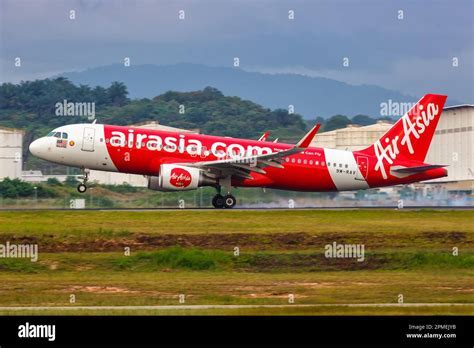
AirAsia: The Relentless Expansion of a Regional Titan
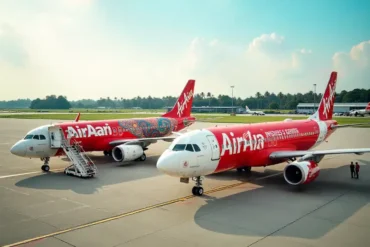
Among Southeast Asia’s low-cost carriers, AirAsia remains the undisputed giant, driving an ambitious expansion strategy that extends beyond its traditional strongholds. By the second quarter of 2025, the airline aims to complete a comprehensive route optimization program, targeting high-demand markets like China, India, Malaysia, and Thailand, all benefiting from relaxed visa regimes that facilitate cross-border travel.
Further cementing its leadership, AirAsia CEO Tony Fernandes has revealed plans to potentially purchase up to 70 long-range single-aisle aircraft and 100 regional jets, enhancing connectivity both within Asia and to emerging markets.
Already, AirAsia has expanded into Central Asia, launching flights to Almaty, Kazakhstan, and Tashkent, Uzbekistan, signaling ambitions to create a bridge between Southeast Asia and European markets.

VietJet’s High-Stakes Fleet Expansion and Market Diversification
Vietnam’s VietJet Air has matched its competitors stride for stride, unveiling bold expansion plans that underscore its intent to dominate Southeast Asia’s budget aviation sector. At the Paris Airshow 2025, VietJet signed a provisional deal for up to 150 Airbus A321neo jets, dramatically bolstering its fleet capacity.
This aggressive procurement reflects VietJet’s two-pronged strategy: enhance regional presence and diversify its fleet to capitalize on new market opportunities. Beyond fleet expansion, VietJet is fortifying its route network with new international services.
The carrier has launched direct flights connecting Ho Chi Minh City to Nagoya and Fukuoka in Japan, while also opening a popular leisure route from Singapore to Phu Quoc, Vietnam’s premier island destination.
These moves solidify VietJet’s position as a formidable player in Southeast Asia’s rapidly evolving low-cost airline market.
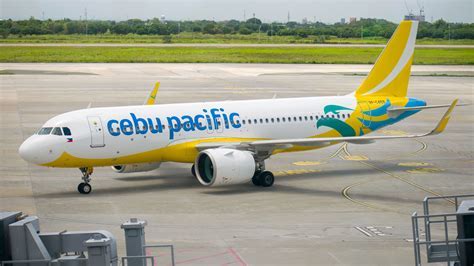
Cebu Pacific: The Philippines’ Budget Powerhouse on the Rise
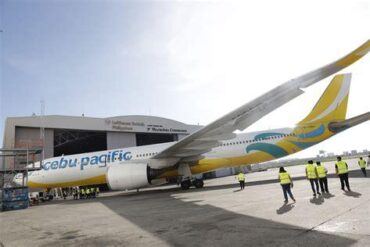
The Philippines’ Cebu Pacific is executing one of the region’s most ambitious fleet and route expansion plans, signaling its determination to be a leading force in Southeast Asian aviation.
With an unprecedented order of 152 new aircraft, Cebu Pacific is reinforcing its capacity to serve both domestic and international markets. The airline’s network now includes new operational hubs in Davao and Iloilo, enabling expanded service to fast-growing regional destinations.
By mid-2025, Cebu Pacific will operate 82 domestic routes, consolidating its dominance within the Philippines while aggressively expanding to markets such as Taiwan, Thailand, and Japan.
Scoot: Singapore’s Strategic Expansion and Market Capture
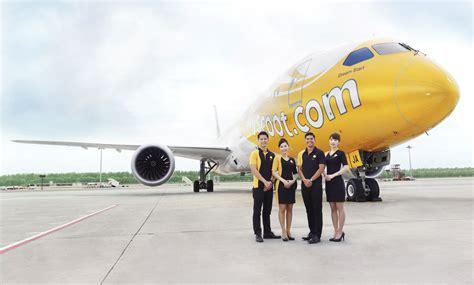
Singapore-based Scoot, the low-cost arm of Singapore Airlines, is executing a calculated expansion strategy focused on both popular and emerging markets. With plans to receive 14 to 16 new aircraft in 2025, including narrow-body and wide-body jets, Scoot is well-positioned to absorb the market void left by Jetstar Asia’s retreat.
The airline has introduced a groundbreaking Singapore-Vienna route, becoming the sole carrier offering non-stop flights between the two cities. Scoot is also taking over critical routes vacated by Jetstar, such as services to Labuan Bajo, Indonesia, and Okinawa, Japan, enhancing its footprint across Southeast Asia and beyond.
Scoot’s strategy is emblematic of how agile low-cost carriers can swiftly capitalize on competitor exits while leveraging fleet growth to expand market share.
Why Southeast Asia Leads Global Low-Cost Aviation Growth
The unprecedented rise of low-cost airlines in Southeast Asia is not accidental but driven by several key factors that position the region at the forefront of global budget air travel:
- Demographics and Rising Middle Class: Rapid economic development, a burgeoning middle class, and increasing disposable income across Southeast Asia have fueled demand for affordable travel.
- Geographic Necessity: The region’s archipelagic geography, with thousands of islands and limited overland connectivity, makes air travel the most viable transport option.
- Liberalization and Open Skies Policies: Progressive aviation agreements have lowered regulatory barriers, facilitating new routes and market entry.
- Tourism and Business Growth: Southeast Asia’s booming tourism sector, coupled with growing intra-Asia business travel, creates fertile ground for low-cost carriers.
These conditions have catalyzed an aviation revolution, with budget airlines not only growing fleet size but also innovating with new services, partnerships, and technologies to capture price-sensitive travelers.

The Road Ahead: Challenges and High-Stakes Competition
Despite explosive growth, Southeast Asia’s low-cost carriers face mounting challenges. Rising fuel costs, fluctuating currencies, geopolitical tensions, and airport capacity constraints all threaten profitability.
Moreover, as airlines flood the market with new capacity, price wars and margin compression become inevitable, making operational efficiency and fleet optimization paramount.
Yet, the leading carriers—AirAsia, VietJet, Cebu Pacific, and Scoot—are positioning themselves to weather these headwinds through scale, network diversification, and aggressive fleet expansion.
Strategic route selection, entry into secondary markets, and leveraging emerging technologies for cost efficiencies will be critical differentiators in the next phase of growth.
Conclusion: Southeast Asia as the Global Benchmark for Budget Aviation
The ascendancy of AirAsia, VietJet, Cebu Pacific, and Scoot reflects Southeast Asia’s transformation into the global benchmark for successful low-cost aviation. These carriers have redefined affordable air travel, providing unprecedented connectivity and reshaping the competitive dynamics of the global airline industry.
As they expand into new territories, invest in modern fleets, and adapt to evolving market realities, these airlines are not just responding to growth—they are dictating its pace.
With Southeast Asia poised to remain a central hub for budget air travel, the actions of its leading low-cost carriers will shape the future of aviation in the region and set the tone for global low-cost airline competition.