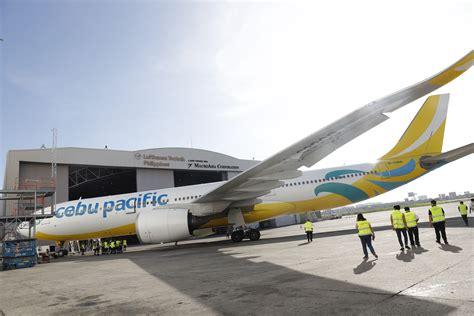
Cebu Pacific, the flagship brand of Cebu Air, Inc., is a trailblazer in Asia’s low-cost airline industry. Founded in 1988 and commencing operations in 1996, it became the first low-cost carrier (LCC) in Asia and quickly rose to dominate the Philippine aviation market. With a robust business model, extensive domestic and regional coverage, and a commitment to innovation, Cebu Pacific continues to reshape budget travel for millions.
Early Foundations and Domestic Domination
Cebu Pacific was officially incorporated on August 26, 1988, and was granted its legislative franchise via Republic Act No. 7151 in 1991. Operations began with its inaugural flight on March 8, 1996, connecting Manila to Cebu. Despite a tragic setback in 1998 involving Flight 387, which crashed and resulted in 104 fatalities, Cebu Pacific rebounded rapidly, expanding to nearly 80 daily domestic flights by 2001.
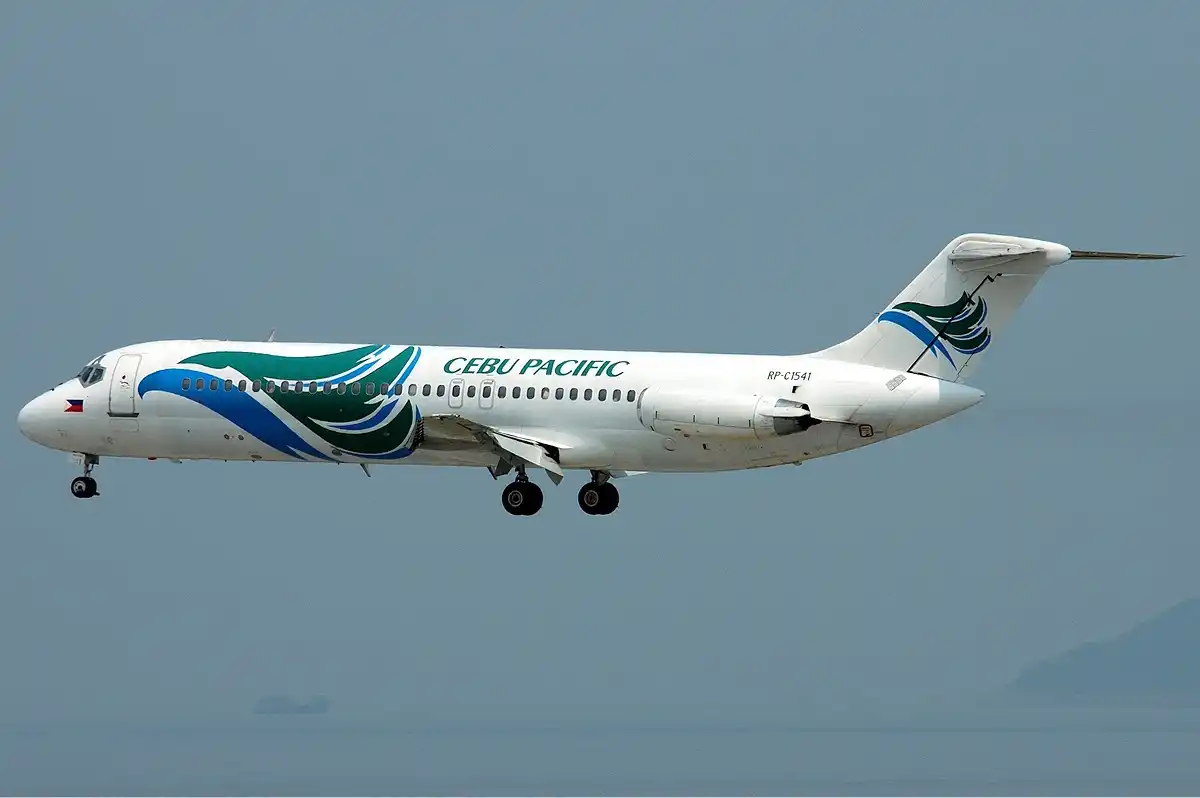
A hallmark of its early strategy was democratizing air travel in the Philippines. In 2005, the airline launched the “Go” fare program, slashing fares by half and resulting in a 90% increase in ticket sales. The initiative cemented Cebu Pacific’s status as the airline of the masses, pushing aviation beyond the reach of elites and into the hands of everyday Filipinos.
Regional Breakthrough and Market Leadership
By 2001, Cebu Pacific launched its first international flights, starting with Hong Kong, Seoul, and Singapore. Despite disruptions during the SARS epidemic, the airline persisted, becoming a formidable player in the low-cost international market.
The period between 2007 and 2011 marked Cebu Pacific’s initial expansion surge. It added routes to Vietnam (Hanoi and Ho Chi Minh), and further extended its footprint in Japan, Thailand, and China. With Davao and Clark emerging as hubs, the airline decentralized operations from Manila, thereby broadening its regional reach.
It was during this era that the airline passed a key milestone — overtaking Philippine Airlines (PAL) in passenger volume in Q1 2010, flying 2.45 million passengers compared to PAL’s 2.34 million.
Branding, Long-Haul Ventures, and Public Offering
Cebu Pacific’s aggressive growth was complemented by modern branding and financial milestones. In 2010, it raised ₱23.3 billion through an initial public offering (IPO). By 2015, the airline had carried over 100 million passengers.
As the fleet modernized, so did its strategy. The introduction of Airbus A330-300s enabled long-haul flights, starting with Dubai in 2013. The network later included Kuwait City, Doha, Dammam, Riyadh, and Sydney. Although most Middle East routes were discontinued by 2017, the expansion demonstrated the airline’s willingness to experiment with market potential.
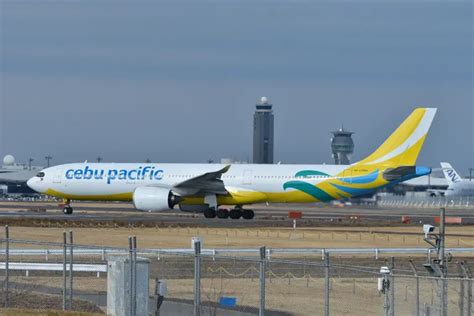
The airline also unveiled a new logo and livery in 2015, symbolizing its evolution from a domestic LCC to an international player.
Pandemic Disruption and Strategic Recovery
The COVID-19 pandemic in 2020 brought unprecedented turbulence. Cebu Pacific halted operations for three months and laid off 1,300 employees. Fourteen aircraft were stored in Alice Springs, Australia. The airline reported a ₱22.2 billion net loss in 2020, followed by a ₱24.9 billion loss in 2021.
Despite the downturn, Cebu Pacific secured ₱40.5 billion in funding through loans, preferred stock, and convertible bonds. As travel restrictions lifted, it rehired retrenched staff, ramped up domestic capacity, and by December 2022, operated at 92% of pre-pandemic levels.
Modern Rebirth and Third Expansion Wave
In January 2023, the airline launched its campaign “Let’s Fly Every Juan”, reinforcing its grassroots brand identity. Shortly after, it resumed several international routes, excluding Beijing, and reopened its hub at Clark International Airport.
The post-pandemic phase marked a shift in strategic priorities. Cebu Pacific scaled back long-haul ambitions and focused on regional expansion within a five-hour flight radius. The network added new Southeast Asian cities like Da Nang, Chiang Mai, and Kaohsiung, while reviving direct flights from secondary Philippine hubs.
In December 2024, Cebu Pacific celebrated its 250 millionth passenger milestone, and in early 2025, launched direct flights from Manila to Sapporo and Cebu to Ho Chi Minh City.
Corporate Structure and Strategic Partnerships
Cebu Pacific operates under JG Summit Holdings, with its main headquarters in Pasay and registered office in Cebu City. The airline is led by Chair Lance Y. Gokongwei, President & CCO Alexander G. Lao, and CEO Michael B. Szucs.
In 2016, Cebu Pacific became a founding member of the Value Alliance, the world’s largest LCC network. This partnership allowed code-sharing and interline agreements with carriers such as Scoot, Jeju Air, and Nok Air.
Subsidiaries and Operational Backbone
The airline’s ecosystem includes multiple subsidiaries that strengthen its logistics and regional capabilities:
- Cebgo: Operates ATR 72-600 turboprops for regional flights; formed after acquiring Tigerair Philippines in 2015.
- Cebu Pacific Cargo: Manages two cargo-specific aircraft, launched in 2018.
- Aviation Partnership Philippines (Aplus): Provides line and light aircraft maintenance.
- AirSWIFT: Acquired in 2024 for ₱1.75 billion, serves premium tourist destinations such as El Nido, Boracay, Cebu, and Coron.
- 1Aviation Groundhandling: Originally a Cebu Pacific venture, 60% sold to PAGSS in 2018.
Fleet Modernization and Environmental Commitment
Cebu Pacific operates an all-Airbus fleet, including:
- A320-200: 21 units
- A320neo: 22 in service, 7 on order
- A321-200: 7 units
- A321neo: 19 in service, 84 on order (70 firm, 82 options)
- A330-900: 12 in service, 4 on order
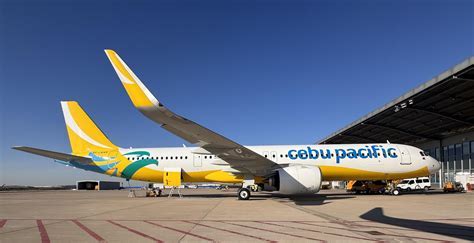
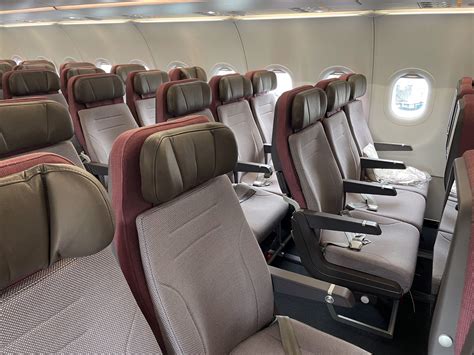
The airline is aggressively pursuing its fleet modernization program. In July 2024, it signed an MoU with Airbus to acquire 152 A320neo family aircraft, the largest aviation order in Philippine history.
To reduce environmental impact, Cebu Pacific has prioritized the use of Sustainable Aviation Fuel (SAF). Key milestones include:
- First SAF-powered commercial flight: Singapore to Manila, September 28, 2022
- SAF supply deal with Shell Aviation: 25,000 metric tons over five years
- SAF agreement with Neste: Signed October 2023
- Second SAF flight: Narita to Manila, October 25, 2023
- CAPA Gold Sustainability rating and improved S&P ESG Score from 38 to 41 in 2023
Operational Performance and Financial Metrics
By 2024, Cebu Pacific operated 24.54 million passengers with a load factor of 84.4%. Key financials include:
- Revenue: ₱104.91 billion
- Operating Income: ₱9.17 billion
- Net Income: ₱5.40 billion
- Assets: ₱238.17 billion
- Equity: ₱10.02 billion
These numbers not only mark a full post-pandemic recovery, but also position the airline for aggressive growth.
Challenges and Public Scrutiny
Despite its successes, Cebu Pacific faced public backlash in 2023 due to overbooking, delays, and vague compensations. Over 3,000 passenger complaints led to Senate hearings. The airline cited supply chain issues and grounded aircraft, issued an apology, and reaffirmed efforts to enhance service reliability.
Accidents and Safety Record
Cebu Pacific maintains a generally solid safety record with a few notable incidents:
- 1998: Flight 387 crash near Mt. Sumagaya — 104 fatalities
- 2010: ATR 72-500 bounced landing; no injuries, aircraft written off
- 2013: Runway excursion in Davao; no fatalities, aircraft returned to service
- 2017: Taxiing incident in Cebu; and runway veer-off in Iloilo
- 2018: Nose gear fault in Zamboanga; caused temporary airport closure
These events prompted procedural overhauls and improved pilot training programs.
Conclusion
Cebu Pacific’s journey from a modest domestic operator to a regional low-cost aviation powerhouse showcases resilience, innovation, and adaptability. With a clear focus on sustainability, regional expansion, and customer-centricity, Cebu Pacific is not just flying more passengers — it’s redefining affordable air travel in Asia.