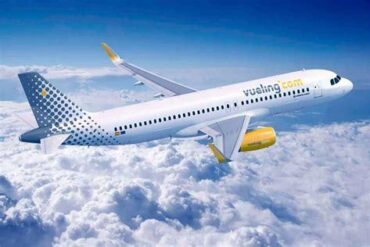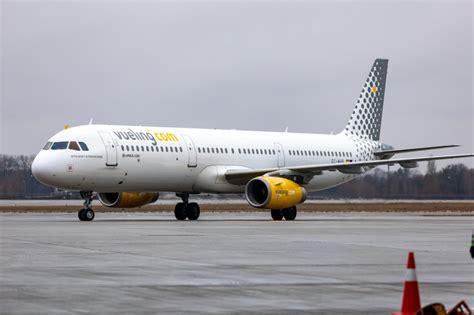
Vueling Airlines has evolved from a modest low-cost startup into a dominant force in European aviation. Founded in 2004, this Barcelona-based airline has not only expanded its operational footprint but also matured into a symbol of efficiency, adaptability, and corporate resilience within the fiercely competitive budget airline sector.
A Strategic Genesis and Rapid Expansion
When Vueling took off with its inaugural Barcelona–Ibiza flight in July 2004, it did so with just two Airbus A320 aircraft and a handful of European destinations including Brussels and Palma de Mallorca. The airline’s name, ingeniously derived from the Spanish word vuelo (flight) combined with the English suffix “-ing,” underscored its international ambition from the outset. Initial shareholders included Apax Partners, Inversiones Hemisferio, and JetBlue Airways, with Carlos Muñoz and Lázaro Ros at the helm.
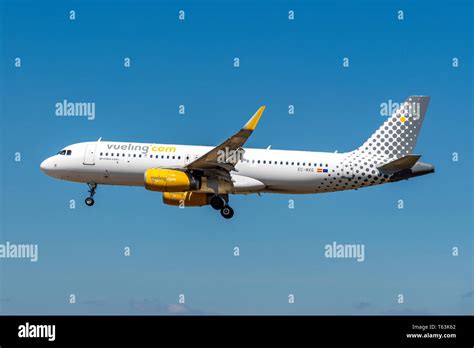
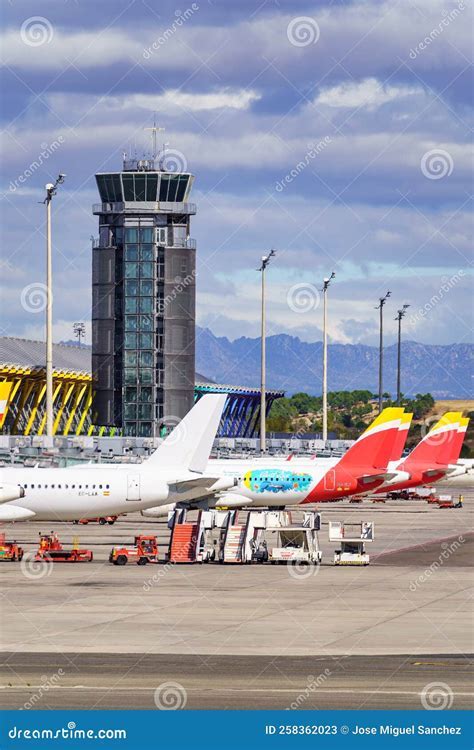
By 2005, Vueling had established a base in Madrid and, in 2007, opened its first international base at Paris–Charles de Gaulle Airport, signaling its intent to become a pan-European low-cost leader. The pace of growth continued with a new base in Seville by the end of 2009, further anchoring its presence in southern Spain.
Turbulence and Transformation: Financial Headwinds
Despite early successes, Vueling faced significant financial headwinds in 2007. The sale of a major stake by Apax Partners and subsequent profit warnings forced a leadership shakeup. With Barbara Cassani, the former CEO of Go Fly, stepping in as chairwoman, the company began a rigorous restructuring program. This recalibration bore fruit; by mid-2009, Vueling posted its first profit, affirming the effectiveness of its recovery strategy.
A landmark moment came in June 2008, when Vueling announced a merger with fellow Spanish low-cost carrier Clickair, backed by Iberia. Regulatory conditions included surrendering valuable airport slots, particularly at Barcelona. Nonetheless, the merger completed in July 2009, with Alex Cruz of Clickair stepping in as CEO. That year, Vueling carried 8.2 million passengers, flying to nearly 50 destinations, a massive leap from its startup roots.
Creative Collaborations and Brand Experiments
Beyond route expansion and aircraft acquisitions, Vueling tapped into pop culture through a striking collaboration with MTV during the summers of 2008, 2009, and 2010. A320 aircraft were repainted with vibrant liveries designed by Custo Dalmau and later adorned with a David Guetta-themed design. These efforts added flair to its brand, enhancing its appeal among younger travelers, even though the collaboration ended by 2011.
The IAG Takeover and a New Era of Autonomy
A pivotal moment in Vueling’s trajectory arrived in 2013 when International Airlines Group (IAG), the parent of British Airways and Iberia, moved to acquire full control. Initially offering €7 per share, IAG raised its bid to €9.25 after initial resistance from shareholders. On 23 April 2013, IAG secured over 90% ownership. Crucially, Vueling retained its operational independence and management structure, reporting directly to IAG’s CEO Willie Walsh.
This strategic acquisition provided Vueling with robust financial backing and access to a broader alliance network, while maintaining its nimbleness as a low-cost operator. It also solidified its role within IAG’s evolving multi-brand ecosystem.
Route Network: A Panoramic Spread of Global Reach
As of April 2025, Vueling operates flights to 122 destinations across Europe, Africa, Asia, and the Middle East. Its main operating base remains Barcelona–El Prat, with vital secondary hubs at Paris–Orly, Rome–Fiumicino, and Amsterdam Schiphol. Noteworthy route expansions have included:
- 2012: Launch of Rome base, growing to over 30 routes by 2014.
- 2013: Introduction of a Florence base, Vueling’s first foray into Italian domestic services.
- 2014: A Brussels base was added, further strengthening its Central European footprint.
- 2020–2025: Despite COVID-related cutbacks, new services like Paris–Dubrovnik and Florence–Brussels (beginning April 2025) highlight its post-pandemic rebound.
Fleet Power: Efficiency and Homogeneity
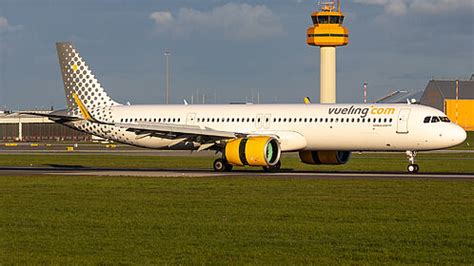
Vueling operates an all-Airbus A320 family fleet—a strategy that ensures operational efficiency and simplifies maintenance. As of April 2025, the fleet stands at 136 aircraft, with 13 additional units on order. The composition is as follows:
- 6 Airbus A319-100 (144 seats)
- 85 Airbus A320-200 (180–186 seats)
- 23 Airbus A320neo (186 seats)
- 18 Airbus A321-200 (220 seats)
- 4 Airbus A321neo (236 seats)
This modern and standardized fleet enhances route flexibility, fuel efficiency, and scalability, vital traits for thriving in the low-cost model.
Business Resilience and Performance Metrics
Vueling’s financial trajectory has been marked by robust growth punctuated by global crises. From €437 million in revenue in 2008, it surged to over €3.1 billion by 2023. Passenger numbers expanded from 5.9 million to 37 million over the same period, while its load factor—a key efficiency metric—improved from 70.3% to 91.0%.
However, the airline faced severe disruption during the COVID-19 pandemic, suffering losses of €785 million in 2020 and €350 million in 2021. Yet, by 2023, Vueling posted a €315 million profit, demonstrating its ability to rebound under pressure.
Loyalty Redefined: The Vueling Club
In a strategic pivot towards digital loyalty integration, Vueling launched the Vueling Club in 2017, transitioning from its previous Punto programme. Integrated with the Avios platform, it allows travelers to earn and redeem points across IAG partners including British Airways, Iberia, Aer Lingus, and Level, as well as select Oneworld alliance carriers.
This expanded ecosystem offers greater value for frequent flyers and aligns with IAG’s broader customer loyalty vision, providing seamless benefits across multiple brands.
Codeshare Strategy and Global Connectivity
To extend its international reach, Vueling has established codeshare agreements with several leading airlines, including:
- British Airways
- Iberia
- Aer Lingus
- Qatar Airways
- LATAM Brasil
- TUI Airways
- Level
These strategic partnerships enable Vueling to connect passengers to long-haul flights, expanding its value proposition beyond regional low-cost travel.
Corporate Evolution and Organizational Growth
From a workforce of just over 1,000 in 2008, Vueling’s employee base has grown to 4,605 in 2023. This expansion mirrors its broader operational scaling, with investment not only in fleet and destinations but also in digital transformation, customer service, and back-office automation. The carrier’s focus on customer-centric innovation and agile network management remains a cornerstone of its sustainability.
Conclusion: The Low-Cost Titan With Global Ambitions
What sets Vueling apart is not merely its affordability but its strategic depth, brand identity, and operational finesse. As part of IAG, it continues to operate with a rare degree of autonomy while benefiting from group-level synergies. Its resilience in the face of economic turbulence, commitment to network expansion, and evolution into a tech-savvy, customer-focused airline ensure its continued ascent in the global aviation arena.
As the skies grow busier and passenger expectations evolve, Vueling remains poised—not just as a budget airline, but as a formidable player in the future of European and international air travel.