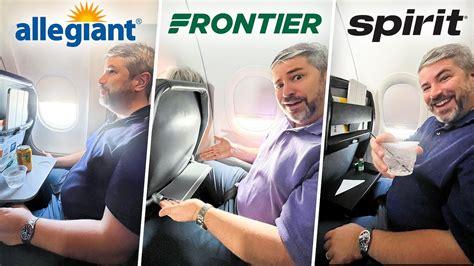
In the fiercely competitive arena of ultra-low-cost carriers (ULCCs) in the United States, Allegiant Air, Spirit Airlines, and Frontier Airlines dominate the skies with rock-bottom fares. Yet, for the millions of passengers who fly with these carriers each year, the key differentiator isn’t always price—it’s cabin comfort. While all three airlines operate variants of the Airbus A320 family, their cabins diverge significantly in seat pitch, padding, layout, and premium offerings. This article dissects every detail to reveal which ULCC offers the most comfortable flying experience without breaking the bank.
The Ultra-Low-Cost Comfort Paradox
Comfort and ultra-low fares don’t typically go hand-in-hand. ULCCs are engineered to strip away anything not essential for flight in order to offer the lowest possible base fare. That means fewer amenities, tighter seats, and optional everything, from carry-ons to in-flight snacks. However, as the market has matured, each carrier has started to differentiate in subtle yet impactful ways—particularly in the realm of cabin comfort.
Among the three, Allegiant Air stands out with slightly more spacious standard seating and options like Legroom+, while Spirit Airlines pushes the boundary of comfort in a ULCC cabin with its Big Front Seat. In contrast, Frontier Airlines embraces the most stripped-down model, with ultra-slimline seats and a dense cabin configuration designed for sheer capacity.
Allegiant Air: Roomy by ULCC Standards
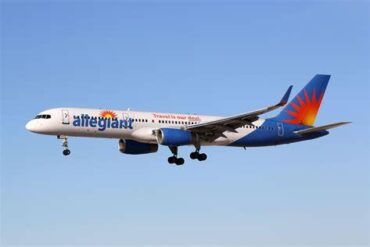
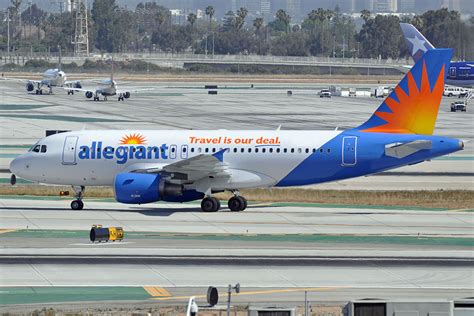
Allegiant’s cabin comfort benefits from its relatively older fleet, which includes many Airbus A319s and A320s that were acquired secondhand and modified to suit the airline’s unique model. These aircraft often retain more generous seat spacing than newer slimline models found in competitor fleets.
- Standard seat pitch: ~30 inches
- Seat width: 17 inches
- Recline: None
- Premium seat option: Legroom+ (select front and exit rows)
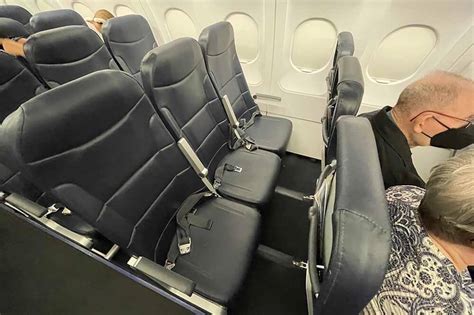
Passengers flying on Allegiant’s Legroom+ seats—available at the front and in exit rows—enjoy several extra inches of space and a full-size tray table suitable for laptops. While there’s no full business-class equivalent, these modest upgrades can make a noticeable difference, especially on longer routes.
Allegiant also has the advantage of non-densified cabins, meaning fewer seats per aircraft than Spirit or Frontier. Though this might sound like a small change, it translates into less congestion, faster boarding, and a subtly more relaxed environment.
Spirit Airlines: Ultra-Budget with a Premium Twist
Spirit Airlines takes a more aggressive approach to aircraft density, but offsets its standard cabin austerity with a genuinely impressive offering: the Big Front Seat. Found in the first two rows of most of Spirit’s Airbus aircraft, this premium product delivers domestic first-class dimensions at a fraction of the cost of traditional business class.
- Standard seat pitch: 28 inches
- Seat width: 17 inches
- Recline: None
- Big Front Seat pitch: 36 inches
- Big Front Seat width: 22 inches
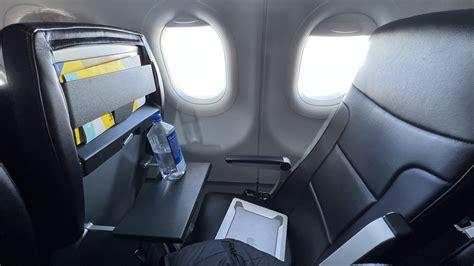
Despite no included amenities (not even a drink), the Big Front Seat is one of the best values in American air travel. It’s wide, well-padded, and perfect for working travelers who need tray space or simply want to stretch out.
Spirit’s standard seats, however, are among the tightest in the U.S. airline market. With just 28 inches of pitch and nearly upright seating, they are designed purely for short-haul efficiency. Yet, Spirit stands alone among ULCCs in one crucial area: Wi-Fi. Available for a fee, it adds another layer of utility not offered on Allegiant or Frontier.
Frontier Airlines: Comfort Takes a Back Seat
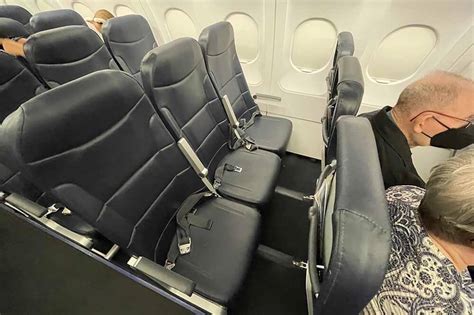
Of the three ULCCs, Frontier Airlines is the most unapologetic about its focus on seat density and operational efficiency. The cabins are packed with ultra-slimline seats, featuring minimal cushioning and non-adjustable headrests, all designed to squeeze in more passengers.
- Standard seat pitch: 28 inches
- Seat width: 17 inches
- Recline: None
- Premium seat option: Stretch seats (select exit rows/front)
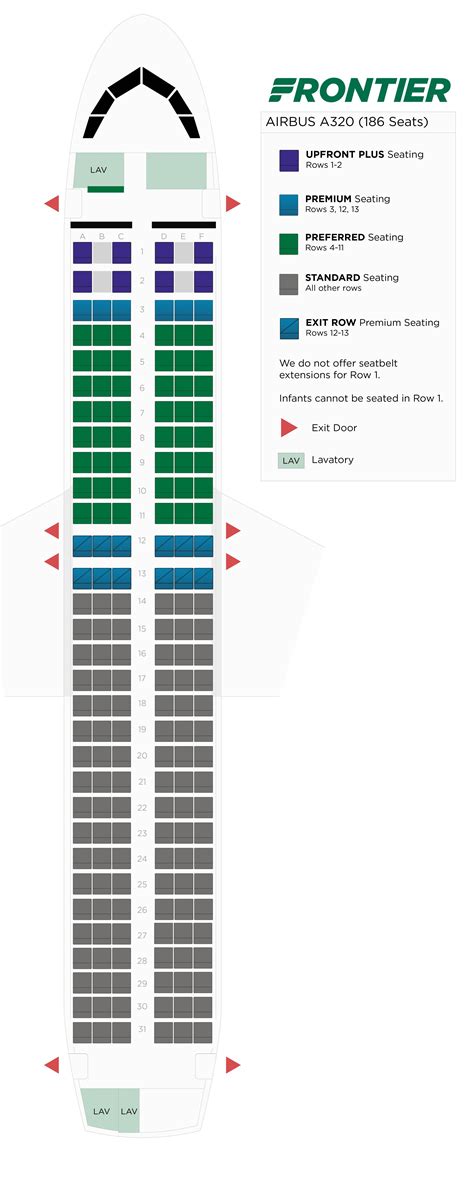
The Stretch seats, while technically “premium,” don’t match Spirit’s Big Front Seat in size or comfort. They offer modest increases in legroom (up to 32 inches) but retain the same thin, hard seat shell used throughout the cabin.
Frontier’s model is tailored for travelers who prioritize price above all else, with the lowest possible base fare. This philosophy is evident throughout the cabin design: smaller tray tables, fewer overhead bins, and zero inflight entertainment or connectivity.
Cabin Configuration Showdown
Let’s break down how these three carriers compare across critical comfort metrics:
| Feature | Allegiant Air | Spirit Airlines | Frontier Airlines |
|---|---|---|---|
| Standard Pitch | 30 inches | 28 inches | 28 inches |
| Premium Seat Offering | Legroom+ | Big Front Seat | Stretch |
| Premium Pitch | ~34 inches | 36 inches | 32 inches |
| Seat Width (Standard) | 17 inches | 17 inches | 17 inches |
| Seat Width (Premium) | ~18.5 inches | 22 inches | 17 inches |
| Wi-Fi | Not available | Available (for a fee) | Not available |
| Cabin Cleanliness | Mixed reviews | Generally clean | Mixed reviews |
| Aircraft Age (avg.) | ~15 years | ~6 years | ~5 years |
Additional Comfort Factors Often Overlooked
While seat dimensions and pitch are critical, comfort is more than just numbers. Other subtleties—like aircraft age, cabin air quality, cleanliness, and crew demeanor—can make or break the in-flight experience.
Allegiant’s aircraft, though older, are often praised for cushier seats—a byproduct of pre-slimline design. Spirit and Frontier, with newer A320neo models, may feel sleeker and more modern but often at the expense of softness and support.
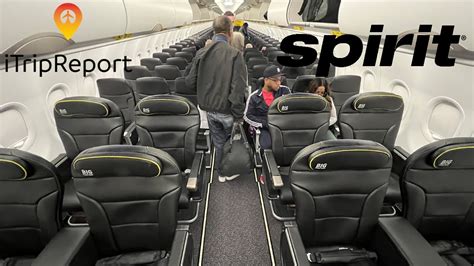
Cabin lighting also plays a role. Spirit’s newer aircraft include LED mood lighting, giving flights a more relaxed ambience, while Allegiant’s interiors can feel dated in comparison. Frontier’s design, although colorful and playful with animal-themed seatbacks, doesn’t offer any real upgrade in passenger experience.
Passenger Sentiment and Real-World Experience
Customer reviews, especially on platforms like TripAdvisor, SeatGuru, and Google Flights, frequently highlight that while none of the ULCCs provide true comfort, there are subtle winners depending on the traveler’s priorities.
- Allegiant earns praise for quieter cabins, fewer passengers, and better seating for the price.
- Spirit gets top marks for the Big Front Seat, especially from business travelers on short trips.
- Frontier is most often chosen purely for fare price, with many reviews noting the experience is best kept to short-haul flights under two hours.
How They Stack Up Against JetBlue and Southwest
When comparing these ULCCs to carriers like JetBlue or Southwest Airlines, the comfort disparity becomes stark. JetBlue offers 32-inch pitch as standard, wider seats, free Wi-Fi, and seatback screens—a level of service completely absent from the ULCC model. Southwest, while lacking seatback screens, provides open seating, more space, and no bag fees for the first two bags.
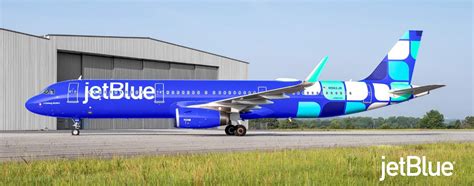
For a slightly higher fare, travelers on JetBlue or Southwest enjoy a more relaxed journey, with better reliability, friendlier policies, and fewer fees. However, for the strict budget traveler, these benefits may not outweigh the price difference.
Conclusion: Who Really Wins the Comfort Contest?
If you’re flying on a ULCC and still crave comfort, Allegiant Air emerges as the best option for most travelers. Its older aircraft surprisingly work in its favor, delivering slightly more space in standard seats, along with upgradable Legroom+ seating at a reasonable price. Spirit Airlines is the next best choice, particularly if you’re willing to invest in the Big Front Seat, which punches far above its weight in the comfort category. Frontier Airlines, while affordable, remains the least comfortable of the three, favoring efficiency over passenger satisfaction.
Ultimately, your choice should align with your budget, route, and tolerance for tight quarters. Comfort on a ULCC isn’t impossible—it just requires a careful booking strategy and perhaps a willingness to spend a little extra for those critical inches of space.
Verdict:
- For best overall comfort: Allegiant Air
- For best premium upgrade: Spirit Airlines’ Big Front Seat
- For lowest price and minimal frills: Frontier Airlines
Fly cheap—but fly smart.