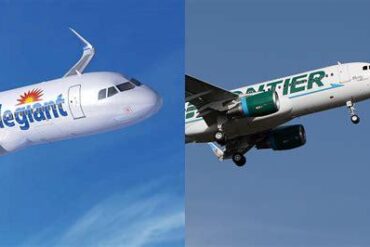
When booking a cheap domestic flight in the United States, three names often dominate the ultra-low-cost carrier (ULCC) market: Allegiant Air, Spirit Airlines, and Frontier Airlines. These carriers promise rock-bottom base fares, but the true value of their service extends far beyond the price tag. An in-depth analysis reveals that while each airline excels in specific areas, major gaps remain in comfort, reliability, and overall customer experience.
Frontier Airlines ranks as the cheapest American ULCC, generating just $0.0985 in revenue per available seat mile. Spirit Airlines follows closely with $0.111, and Allegiant Air comes third at $0.1294. This pricing methodology, based on Air Advisor’s latest cost-per-mile analysis, offers a baseline for understanding ticket affordability—but not necessarily value.
The Price War: Frontier Comes First, But At What Cost?
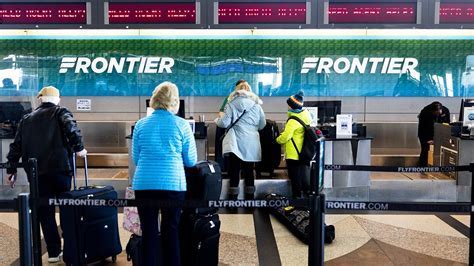
Frontier’s victory in pricing doesn’t paint the full picture. While it’s technically the most affordable, the trade-offs in experience are notable. The airline operates on a strict “no frills” model: passengers pay a base fare that only includes a seat and one personal item. Checked bags, carry-ons, seat selection, and even printing a boarding pass at the airport all incur extra fees. Spirit follows this model with its infamous “Bare Fare” structure, while Allegiant offers a slightly more generous base package, albeit at a higher price point.
Frontier’s aggressive cost-cutting leads to razor-thin margins for error. Missteps, like the infamous incident in December 2023 where a 16-year-old passenger was accidentally flown to San Juan, Puerto Rico instead of Cleveland, highlight operational shortcomings. While the error was rectified, it exposed deeper concerns around staff oversight and logistical discipline.
Comfort and Seat Space: Spirit’s Big Front Seat Stands Out
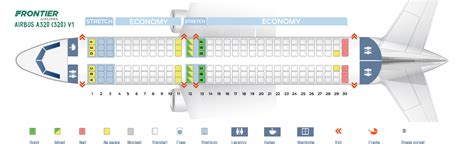
Ultra-low-cost comfort is a contradiction in terms. However, Allegiant performs marginally better in this department. Its Airbus A319 and A320 fleet features standard seats with a 28–30 inch pitch, similar to Frontier. Spirit’s standard seats, by contrast, offer the least space, with a pitch fixed at 28 inches—barely enough for taller passengers.
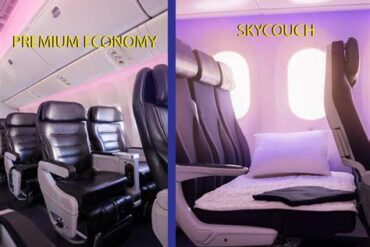
That said, Spirit’s “Big Front Seat” product is the most premium among the three. Designed more like a domestic first-class seat, it offers larger pitch, increased padding, and enough surface area to comfortably use a laptop—something Frontier and Allegiant lack. Frontier has “Stretch” seats and Allegiant offers “Legroom+”, but these are still a far cry from true comfort.
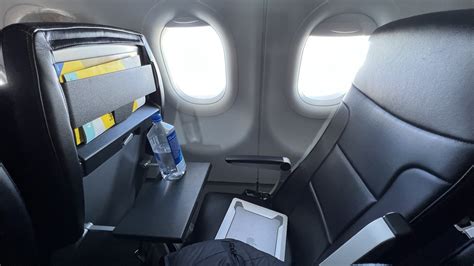
Spirit’s advantage here is undeniable. Yet even the promise of premium seating has been tainted by passenger reports of pest sightings. In May 2025, one customer spotted “multiple roaches” on board a Spirit aircraft. Though the airline issued a $60 credit and an apology, the damage to its reputation was already done.
Operational Reliability and Safety: Persistent Setbacks
While budget travelers may accept cramped seating and limited service, operational reliability is non-negotiable. Unfortunately, all three airlines have been embroiled in controversy.
Frontier’s aforementioned boarding mishap in 2023 wasn’t an isolated incident. Customer frustration often centers on delayed or canceled flights, unresponsive customer service, and a lack of communication. Spirit Airlines has battled similar issues—including the notorious “super rat” filmed in October 2024 and a raccoon falling from the ceiling at New York LaGuardia in November.
These aren’t isolated PR nightmares; they are symptomatic of deeper operational deficiencies. Budget carriers often outsource critical ground operations, maintenance, and cleaning to cut costs—raising questions about oversight and accountability.
Revenue Diversification: Allegiant’s Sunseeker Gamble
Allegiant Air tried to break the mold by branching out beyond aviation. In 2023, the airline launched Sunseeker Resort, a $600 million project in Charlotte Harbor, Florida, featuring luxury rooms, pools, restaurants, and a golf course. The idea was to drive packaged bookings—flights bundled with resort stays—directly through the Allegiant platform.

However, the resort proved to be a financial misfire. Even during Florida’s high season, occupancy lagged. The airline now seeks investors to offload the resort, with CEO Gregory Anderson admitting that interest has been limited. The project’s scale likely overwhelmed Allegiant’s management capabilities. A smaller hotel closer to its base in Las Vegas may have been a better fit.
Is the ULCC Model Sustainable in the U.S.?
Despite low fares and innovative side ventures, the business model itself is under fire. Scott Kirby, United Airlines CEO, called the ULCC strategy “dead” and labeled it a model that “screws the customer.” His view echoes broader industry sentiment: ultra-low-cost airlines work in Europe—Ryanair and EasyJet are success stories—but in the U.S., the stigma of “cheap equals bad” remains pervasive.
This stigma, combined with operational setbacks and mounting costs, has created a perfect storm. Spirit Airlines filed for bankruptcy in November 2024, citing more than $2.5 billion in losses since 2020. CEO Ted Christie remains publicly optimistic, but investors have grown wary. The airline was delisted from the New York Stock Exchange, and its liquidity challenges show no immediate signs of improvement.
Frontier Airlines, meanwhile, has found a glimmer of hope. After four years of financial losses, it posted a $54 million profit in Q4 2024. Rather than further slashing fares, the airline focused on capacity control—reducing seat miles by 2%—and rolled out new loyalty programs aimed at retaining customers.
The Loyalty Dilemma: Who Keeps Passengers Coming Back?
One of the biggest failings of American ULCCs is lack of brand loyalty. With no alliance partnerships and limited frequent flyer benefits, repeat business is a challenge. Allegiant’s bundled vacation model aimed to solve this but failed. Frontier and Spirit now seem more focused on retention. Frontier’s loyalty updates include reward tiers, bonus mile promotions, and seasonal discounts.
Spirit’s attempt to win over frequent flyers includes doubling down on its “Free Spirit” loyalty program. However, the poor reputation, frequent delays, and publicized sanitation issues keep many travelers from returning—even with the lure of miles and savings.
The Verdict: Value Depends on What You Prioritize
When judging value, it’s not just about who offers the lowest number on the booking page. If you prioritize absolute lowest cost, Frontier Airlines is your best bet—but prepare for minimal comfort and occasional operational headaches. For a slightly higher price, Allegiant Air offers better seat pitch and a somewhat more stable service model, albeit with fewer destinations and no international coverage.
Spirit Airlines falls in between. Its Big Front Seat offers a premium option that none of the others can match, but its operational mishaps and brand perception drag down its appeal. Bankruptcy proceedings further cloud its future.
Ultimately, U.S. low-cost carriers must shift from the race to the bottom toward a more sustainable, value-driven model. As legacy carriers introduce “basic economy” fares that rival ULCC prices, the pressure intensifies. The budget airlines that survive will be those that learn to balance affordability with reliability, comfort, and brand trust.
Until then, passengers must choose their ULCC carefully—because while fares may be low, the hidden costs of poor service can be high.