Airline seat upgrades have evolved from a whispered favor at the check-in counter into a highly calculated transaction driven by data, algorithms, and demand forecasting. Understanding when is the best time to request a seat upgrade is no longer about luck or charm; it is about aligning your request with the precise moment airlines are most motivated to move premium inventory. For travelers who value comfort, space, and an elevated inflight experience, timing has become the single most decisive factor separating an affordable upgrade from an overpriced missed opportunity.
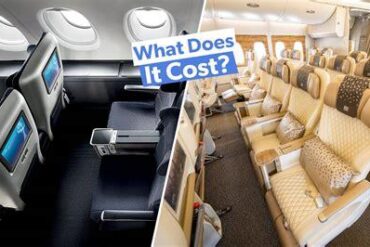
The modern cabin landscape is more layered than ever. Business class, first class, Premium Economy, and extra-legroom economy each exist within tightly controlled pricing structures. Airlines aim to maximize revenue from every seat, and upgrades are now treated as a product rather than a courtesy. Still, within this system, predictable patterns emerge—windows where airlines soften pricing, release targeted offers, or quietly open doors to premium cabins.
Knowing these patterns allows passengers to act with intention rather than hope. The difference between requesting an upgrade too early or too late can mean paying hundreds more or losing the opportunity entirely. Timing, in this context, is not a guess—it is a strategy.
Understanding How Airlines Decide When to Release Upgrades
Airlines rely on revenue management systems that continuously evaluate demand, booking curves, and historical performance for each route. These systems forecast how many premium seats are likely to sell at full fare and how many might remain unsold as departure approaches. Once the likelihood of selling a seat at full price drops, the system begins to consider upgrades as a secondary revenue stream.
This process explains why upgrades rarely appear immediately after booking. At that stage, airlines still hope to sell premium cabins outright. As the flight date nears and demand becomes clearer, the algorithm recalculates the value of each unsold seat. That recalculation is what triggers discounted upgrade offers, app notifications, or bidding invitations.
Passengers who understand this logic stop asking whether upgrades exist and start focusing on when airlines are most likely to make them visible.
The Sweet Spot: After Booking but Before Check-In
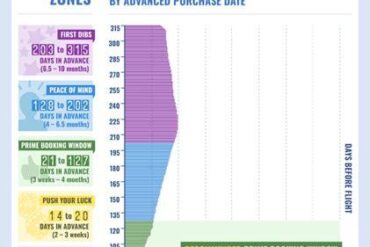
Statistically and operationally, the most favorable window for requesting or purchasing an upgrade falls after booking but before check-in opens. This period often spans from several weeks to a few days before departure. During this time, airlines have accumulated enough booking data to assess premium cabin demand while still having flexibility to monetize unsold seats.
Upgrade offers released in this window are usually algorithm-driven and targeted. Travelers may see them appear in airline apps, confirmation emails, or account dashboards without taking any action. Prices during this phase are often significantly lower than at booking and more stable than last-minute airport offers.
This is also when airlines prefer to transact upgrades digitally. Automated systems reduce staff involvement, eliminate negotiation, and lock in revenue early. For passengers, this translates into transparency and control—clear pricing, instant confirmation, and no awkward gate conversations.
Why Waiting Until the Airport Is Riskier Than Ever
For decades, the gate counter was seen as the final opportunity to score an upgrade. That era has largely ended. Today, gate agents operate with limited discretion, and most upgrades have already been allocated or priced by the time passengers arrive at the airport.
By departure day, airlines either know they can sell premium seats or have already offered them at discounted rates earlier. If premium cabins are filling well, upgrade prices may increase sharply or disappear altogether. Asking at the gate now works only under narrow circumstances, usually tied to operational issues rather than generosity.
That does not mean airport upgrades are impossible. They are simply unpredictable and should be viewed as a fallback, not a primary strategy.
How Route Demand Shapes Upgrade Timing
Not all routes behave the same way. Flights dominated by business travelers—such as weekday transcontinental or international financial hub routes—see strong premium demand until the last minute. On these routes, upgrade prices rarely drop, and early booking of premium cabins is often the only reliable option.
Leisure-heavy routes, especially midweek or off-season flights, behave differently. Premium cabins on these routes are more likely to have unsold seats as departure approaches. Airlines respond by releasing discounted upgrades earlier and more aggressively to stimulate demand.
Understanding the personality of a route helps refine upgrade timing. Flexibility in travel days and destinations often translates directly into better upgrade opportunities.
The Role of Fare Class and Ticket Type
The fare you originally purchase plays a decisive role in whether and when upgrade offers appear. Deeply discounted and basic economy fares are frequently excluded from upgrade eligibility altogether. Even when upgrades are technically allowed, prices are often higher to compensate for the low base fare.
More flexible economy tickets tend to unlock earlier and cheaper upgrade offers. Airlines view these passengers as higher-value customers and are more willing to extend upgrade incentives. Refundable or semi-flexible fares also integrate more smoothly into upgrade algorithms, increasing visibility in offer pools.
For travelers who anticipate wanting an upgrade, selecting the right fare at booking is an indirect but powerful timing tool.
Loyalty Status and Priority in Upgrade Timing
Frequent flyer status does not guarantee an upgrade, but it strongly influences when offers appear. Elite members often see upgrade options earlier than general passengers, sometimes at lower prices. Complimentary upgrades, where they still exist, are processed according to status tiers and booking class long before departure day.
Attaching a frequent flyer number immediately after booking ensures eligibility from the start. Airlines use loyalty data to personalize offers, meaning timing is not only about the flight but also about the passenger profile.
Upgrade Bidding Programs: Controlled Timing With Flexible Pricing
Upgrade bidding systems introduce a different kind of timing strategy. Instead of waiting for fixed prices to appear, passengers proactively submit the amount they are willing to pay. These bids are typically evaluated within a set window, often closing 48 to 72 hours before departure.
This approach allows travelers to define their own value threshold while still aligning with the airline’s timing preferences. Bidding is especially effective on long-haul flights with uncertain premium demand. However, it requires patience and acceptance of uncertainty, as bids may not be accepted even if seats remain available.
Importantly, bidding does not replace fixed upgrade offers. In many cases, if a fixed price exists, bidding may not be offered at all.
When Check-In Opens: A Moment of Rapid Repricing
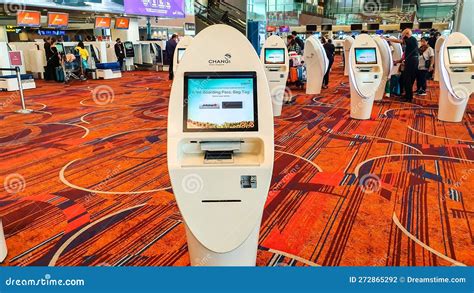
Check-in opening marks a significant recalibration point. Airlines gain insight into passenger behavior, no-show probabilities, and load factor realities. Some carriers release new upgrade offers at this stage, while others increase prices if premium cabins are filling faster than expected.
For travelers monitoring upgrades closely, this moment can reveal sudden price drops or last-call offers. However, volatility is high. Prices can swing sharply in either direction within hours.
This phase rewards vigilance but punishes indecision.
Overbooking Scenarios and Rare Last-Minute Upgrades
One of the few remaining paths to a close-in upgrade occurs when economy class is oversold. In these cases, airlines may move passengers to premium cabins to resolve capacity issues. These upgrades are driven by necessity, not timing strategy, and are allocated according to internal priority lists.
Passengers with elite status, flexible tickets, early check-in times, and compliant attitudes are favored. While these upgrades still happen, they are unpredictable and should never be relied upon.
Viewing them as a bonus rather than a plan preserves realistic expectations.
Why Early Booking of Premium Seats Sometimes Wins
There are scenarios where waiting for an upgrade is counterproductive. Peak travel seasons, high-demand routes, and flights with historically strong premium sales often see no meaningful price drops. In these cases, the best “upgrade” strategy is booking the desired cabin outright.
Early booking locks in availability and avoids the stress of monitoring fluctuating offers. For travelers whose schedules are fixed and comfort is non-negotiable, this approach can be more efficient than chasing upgrades.
The Psychological Advantage of Strategic Timing
Beyond cost savings, timing an upgrade request well reduces friction. Digital offers eliminate negotiation, minimize disappointment, and provide certainty. Passengers who act during optimal windows experience upgrades as intentional choices rather than gambles.
This psychological clarity enhances the overall travel experience. Instead of hoping for a better seat, travelers secure it deliberately, often at a price that feels justified rather than inflated.
The Real Answer to When You Should Request an Upgrade
So, when is the best time to request a seat upgrade? The most reliable answer is after booking and before check-in, when airlines begin adjusting pricing based on real demand. This window consistently offers the best combination of availability, affordability, and transparency.
Outside of that window, opportunities still exist, but they become increasingly dependent on variables beyond the passenger’s control. As airline pricing grows more dynamic and personalized, informed timing becomes the traveler’s strongest asset.
The future of upgrades will likely be even more data-driven, but the core principle will remain the same. Those who understand airline behavior—and act when incentives align—will continue to find value in a system designed to sell every seat at the highest possible return.