For many travelers, a business class upgrade feels like one of aviation’s last great mysteries. Stories circulate endlessly about passengers receiving surprise upgrades because they dressed elegantly, celebrated a honeymoon, smiled at the gate agent, or simply got lucky. These stories persist because upgrades happen behind the scenes, making the process appear random from the outside.
The reality is very different. Modern airlines use sophisticated revenue management platforms, loyalty databases, inventory controls, and automated ranking systems to determine who gets moved into premium cabins. In most cases, the decision is made long before a passenger approaches the gate counter. What looks like a spontaneous act of generosity is often the final step in a process governed by algorithms and carefully designed business rules.
Understanding how these systems work reveals why some travelers receive upgrades regularly while others spend years hoping for one without success. It also explains why seemingly empty business class cabins do not automatically translate into complimentary upgrades and why some passengers with elite status still find themselves waiting in economy.
The following insights uncover the mechanisms that airlines use to assign business class upgrades and explain why the process is far more calculated than many passengers realize.
Automated Upgrade Systems Control Almost Everything
One of the most widespread misconceptions among airline passengers is the belief that gate agents possess broad authority over business class upgrades. Popular travel myths suggest that a friendly conversation, a professional appearance, or a polite request can influence the outcome.
In reality, major airlines have spent years removing subjective decision-making from the upgrade process. Automated systems now handle the overwhelming majority of upgrade assignments. These systems continuously evaluate passenger data and generate ranked lists based on pre-established criteria.
When a premium seat becomes available, the software automatically identifies the next eligible traveler according to airline policy. By the time boarding begins, the hierarchy has often already been established.
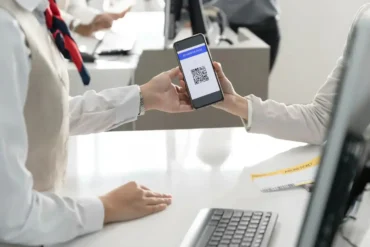
Gate agents primarily execute instructions generated by the airline’s systems. Their role typically involves processing the upgrade rather than deciding who receives it. Unless operational disruptions occur, such as aircraft swaps, misconnected passengers, or last-minute no-shows, agents generally have limited flexibility to alter upgrade priorities.
This explains why two passengers can approach the counter with vastly different outcomes despite making similar requests. The determining factors were usually entered into the system weeks or months earlier when the tickets were purchased.
Many airlines begin processing upgrades well before departure. Top-tier frequent flyers may clear days in advance, while lower-priority travelers often remain on waiting lists until shortly before boarding. The process continues automatically as inventory changes, making manual intervention increasingly rare.
For travelers hoping that charm alone can secure a premium seat, the truth is straightforward: airline software has become significantly more influential than human discretion.
Empty Business Class Seats Are Not Necessarily Available
Passengers frequently glance at seat maps during online check-in and assume that visible empty business class seats represent upgrade opportunities. Seeing several unoccupied seats can create the impression that the airline is simply refusing to reward loyal customers.
However, seat maps reveal only part of the story.
Airlines manage premium cabins using complex inventory controls designed to maximize revenue. A seat that appears empty may already be reserved for future sales opportunities, paid upgrades, operational contingencies, crew accommodations, or higher-priority upgrade requests that have not yet cleared.
Revenue management departments constantly evaluate booking trends and purchasing behavior. Business travelers often buy expensive tickets close to departure, making late premium cabin sales particularly valuable. Because of this, airlines frequently protect premium inventory until the final hours before a flight.
This strategy can create situations where passengers remain on upgrade waitlists while business class seats appear available. From the airline’s perspective, preserving the possibility of a last-minute sale may generate substantially more revenue than granting a complimentary upgrade.
Many carriers openly acknowledge that seat map availability does not necessarily reflect upgrade inventory. Separate inventory categories govern whether seats can be sold, upgraded, or offered through loyalty programs.
As a result, passengers should avoid assuming that visible empty seats represent unused opportunities. In many cases, those seats are actively being managed by sophisticated revenue optimization systems that assign significant financial value to each remaining premium seat.
Loyalty Status Is Important, But It Is Only Part Of The Equation
Frequent flyer status remains one of the strongest predictors of upgrade success. Nevertheless, many travelers underestimate how many additional factors influence the ranking process.
Two passengers holding identical elite status levels can occupy very different positions on an upgrade list. Airlines increasingly rely on multi-layered priority systems that evaluate far more than membership tier alone.
Among the factors commonly considered are fare class, annual spending, recent travel activity, co-branded credit card usage, upgrade certificate type, and the timing of the upgrade request.
A traveler who purchased a flexible economy fare may outrank another passenger holding the same status but traveling on a deeply discounted ticket. Likewise, a customer who spends tens of thousands of dollars annually with the airline often receives higher priority than someone who qualified for status through less profitable travel patterns.
This hierarchy reflects the airline industry’s evolving focus on revenue contribution rather than simple flight frequency. Loyalty programs increasingly reward customers based on profitability, not merely the number of miles flown.
American Airlines, United Airlines, Delta Air Lines, and numerous international carriers have all introduced ranking systems that incorporate spending metrics alongside traditional status tiers.
Consequently, elite status functions more like a gateway into the upgrade process than a guarantee of success. Once passengers enter the queue, additional layers of prioritization determine who ultimately moves into business class.
This explains why some frequent travelers receive upgrades consistently while others with seemingly similar credentials rarely clear the waitlist. The differences often lie within fare classes, spending patterns, and hidden ranking variables invisible to the average passenger.
Airlines Prefer Revenue-Generating Upgrades Whenever Possible
Despite the marketing appeal of complimentary upgrades, airlines remain focused on maximizing the financial performance of every flight. As a result, paid upgrades frequently receive preference over free upgrades.
Premium cabins generate substantial revenue, particularly on long-haul routes where business class tickets can cost several times more than economy fares. Every empty seat represents a potential revenue opportunity.
Airlines have therefore become increasingly sophisticated in monetizing unsold premium inventory. Rather than immediately releasing available seats to complimentary upgrade lists, carriers often offer discounted upgrade opportunities through mobile apps, email campaigns, check-in portals, or airport counters.
These offers are rarely random. Dynamic pricing systems analyze passenger behavior, purchase history, fare type, loyalty profile, and demand forecasts to determine how much each traveler might be willing to pay.
Two passengers seated next to each other in economy may receive dramatically different upgrade offers for the same flight. One traveler might see an upgrade priced at a few hundred dollars, while another receives a significantly higher offer.
The airline’s objective is clear: capture additional revenue before granting complimentary upgrades.
Only after paid demand has been sufficiently exhausted do many carriers begin releasing seats into complimentary upgrade inventory. Even then, the release often occurs gradually as departure approaches and the probability of selling remaining seats declines.
This revenue-first approach helps explain a common frustration among frequent flyers. A passenger may notice vacant business class seats after boarding and wonder why upgrades were not processed. In some cases, the airline simply determined that preserving pricing integrity or future sales potential outweighed the value of filling every premium seat.
Traveling Alone Can Dramatically Improve Upgrade Chances
One of the least understood aspects of airline upgrade systems involves the impact of traveling companions.
Many passengers assume that if only one premium seat remains available, airlines will simply upgrade one member of a traveling party. However, automated systems frequently treat linked reservations differently.
When passengers travel together under the same booking, upgrade processing often becomes more complicated. Airlines generally prefer to keep reservations intact and avoid separating travel companions unless specific policies allow otherwise.
As a result, upgrade opportunities may be missed when insufficient premium seats exist for every passenger in the reservation.
Consider a scenario involving two elite-status travelers booked together. If only one business class seat becomes available, the airline’s system may bypass both passengers and move to the next eligible solo traveler who can occupy the seat immediately.
This creates a significant advantage for individuals traveling alone. Single passengers fit more easily into limited inventory situations, particularly near departure when only one or two premium seats remain.
Families often face even greater challenges. Airlines generally avoid splitting groups unless passengers specifically request separate processing. Consequently, larger parties may remain in economy despite individual members having strong upgrade credentials.
Some experienced travelers intentionally separate reservations when appropriate to improve upgrade flexibility. However, this strategy can involve trade-offs, including reduced access to companion benefits and potential complications if flight disruptions occur.
The key takeaway is that upgrade eligibility does not exist in isolation. Reservation structure matters, and traveling with companions can reduce upgrade probability even when loyalty status and fare class remain unchanged.
Why Fare Classes Matter More Than Most Passengers Realize
Beyond loyalty status and spending behavior, fare classes play an essential role in determining upgrade eligibility and priority.
Most passengers focus on the cabin they purchased—economy, premium economy, business class, or first class. Airlines, however, pay close attention to the specific fare code attached to the ticket.
Within economy alone, numerous fare classes may exist. Some represent highly discounted promotional tickets, while others correspond to flexible, fully refundable fares purchased by corporate travelers.
From the airline’s perspective, these tickets possess very different values.
Passengers holding higher fare classes often receive superior upgrade treatment because they have already demonstrated a willingness to spend more. Revenue management systems reward this behavior by assigning greater upgrade priority.
Separate upgrade inventory categories further complicate the picture. A business class seat available for sale may not be available for upgrades because airlines allocate seats into different inventory buckets. These buckets determine whether seats can be purchased outright, acquired using miles, upgraded with certificates, or assigned through complimentary programs.
This distinction explains one of the industry’s most confusing realities: a seat can simultaneously be available for purchase and unavailable for upgrade.
Understanding fare classes also clarifies why two travelers with identical elite status can experience dramatically different outcomes. The passenger who purchased a higher-priced economy ticket may enjoy substantially better upgrade odds than someone who selected the cheapest available fare.
In many cases, fare class serves as one of the most influential tie-breakers within an airline’s upgrade hierarchy.
The Real Logic Behind Business Class Upgrades
Business class upgrades often appear mysterious because passengers see only the final result rather than the intricate decision-making process behind it. What seems like luck is usually the product of sophisticated software evaluating dozens of variables simultaneously.
Airlines use automated ranking systems, inventory controls, revenue management strategies, loyalty metrics, fare-class distinctions, and companion rules to determine who receives premium seats. These systems are designed to balance customer loyalty with profitability, ensuring that every upgrade decision aligns with broader commercial objectives.
The days when a smile at the gate could reliably secure a complimentary business class seat have largely disappeared. Modern upgrade allocation is driven by data, spending patterns, and carefully structured priority hierarchies.
For travelers seeking better upgrade success, the most effective factors remain elite status, higher fare classes, strong annual spending, strategic booking behavior, and, in many cases, traveling alone. While surprises still occur, the vast majority of business class upgrades are neither random nor discretionary. They are the result of a highly engineered process designed to place the right passenger in the right seat at exactly the right moment.