For many travelers, receiving a premium economy upgrade feels almost random. One passenger is suddenly enjoying extra legroom, wider seats, enhanced dining, and priority services, while another remains in a standard economy seat despite flying frequently with the same airline. This apparent inconsistency has fueled countless myths about upgrade decisions. Some travelers believe dressing professionally helps. Others assume arriving early at the gate improves their chances. Many think a friendly conversation with a gate agent can unlock a better seat.
The reality is far more sophisticated.
Modern airlines operate in a world driven by advanced data analytics, revenue optimization, customer profiling, and automated decision-making systems. Upgrades are rarely based on personal impressions. Instead, they are usually determined by algorithms that evaluate a passenger’s overall value to the airline.
Behind every upgrade list sits a carefully engineered ranking system that weighs factors such as loyalty status, spending behavior, ticket type, upgrade requests, and even credit card activity. Understanding how these systems work can dramatically improve a traveler’s chances of moving into premium economy—or even beyond into business class.
The next time an upgrade clears, it is usually not luck. It is the result of a complex mathematical calculation that began long before the passenger arrived at the airport.
Airlines Prioritize Customer Value Rather Than Flight Frequency
Many travelers assume that airlines reward the people who fly most often. While flight activity remains important, it is no longer the only measurement of loyalty.
Across the airline industry, there has been a significant shift toward rewarding total customer value rather than simply counting miles flown. Airlines increasingly want to identify customers who contribute revenue through multiple channels, including flights, co-branded credit cards, hotel partnerships, shopping portals, and other loyalty program activities.
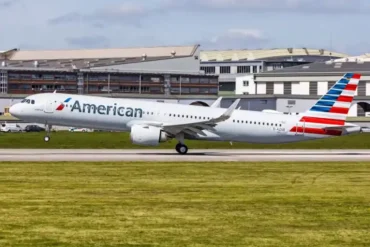
American Airlines offers one of the clearest examples of this strategy. Its loyalty ecosystem now revolves heavily around Loyalty Points, a metric that measures engagement across numerous spending categories. Two passengers may hold the same elite status level, but the traveler with significantly more Loyalty Points often receives higher upgrade priority.
This means a passenger who regularly spends on an airline-affiliated credit card can potentially outrank another traveler who physically flies more often but generates less overall revenue.
From the airline’s perspective, this approach makes perfect business sense. The airline is not merely selling seats on aircraft. It is operating an entire ecosystem of financial products, travel partnerships, and loyalty programs.
As a result, a passenger’s value extends far beyond what happens inside the cabin.
The traditional image of the road warrior taking hundreds of flights each year is gradually being replaced by a broader definition of loyalty—one that includes spending habits, financial engagement, and long-term profitability.
Understanding this shift helps explain why some travelers receive upgrades unexpectedly. The person sitting several rows behind may have fewer flights but a much stronger overall relationship with the airline.
Fare Classes Quietly Influence Upgrade Priority
Most travelers focus on the ticket price displayed during booking. Few pay attention to the small fare-class code attached to their reservation.
Yet that seemingly insignificant letter can play a major role in determining upgrade success.
Airlines divide seats into numerous fare classes, each represented by a specific booking code. Although two passengers may sit side by side in economy, they could have purchased entirely different fare categories with very different upgrade priorities.
A passenger who purchases a higher-priced fare generally receives preferential treatment over someone holding a heavily discounted ticket.
United Airlines openly incorporates fare class into its upgrade hierarchy. Travelers booked in premium fare buckets often receive priority when competing against passengers with similar status levels and upgrade eligibility.
The reason is straightforward.
Airlines want to reward customers who contribute more revenue on a specific flight. Someone paying a full-fare economy ticket generates substantially more income than a passenger who secured a deeply discounted promotional fare.
Revenue management departments spend years refining these systems to maximize profitability. Consequently, upgrade algorithms are designed to recognize revenue contribution automatically.
This creates situations where two passengers with identical elite status receive completely different outcomes. The traveler who purchased a more expensive ticket may move into premium economy, while the traveler with the cheaper fare remains in standard economy.
Many passengers celebrate finding the lowest possible airfare. While that strategy certainly saves money upfront, it can significantly reduce upgrade opportunities later.
In the competitive world of airline upgrades, the cheapest ticket often comes with hidden trade-offs.
Premium Economy Is More Than Just A Better Seat
Many travelers view premium economy as an upgraded version of economy class.
Airlines see it differently.
For many carriers, premium economy represents a separate cabin with its own strategic position inside the upgrade hierarchy. In some cases, premium economy passengers are actually closer to business class than they are to standard economy passengers when upgrade decisions are made.
This distinction has become increasingly important as premium economy products continue expanding across global fleets.
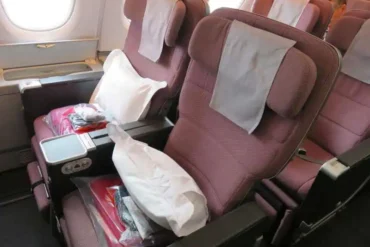
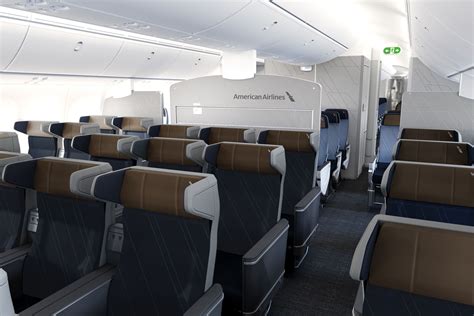
Modern premium economy cabins often include significantly wider seating, additional recline, upgraded meal service, larger entertainment screens, enhanced baggage allowances, priority boarding, and dedicated cabin crews.
Because passengers are already paying a premium fare, airlines frequently reward them with better upgrade positioning.
A traveler seated in premium economy has already demonstrated a willingness to spend more than a standard economy passenger. Consequently, when a business-class seat becomes available, the premium economy traveler may receive priority consideration.
For frequent flyers, this creates an interesting strategic opportunity.
Purchasing premium economy can sometimes function as a stepping stone toward a higher cabin. Rather than competing from the back of the aircraft, travelers effectively place themselves one rung closer to business class.
The initial ticket may cost more, but the improved comfort and enhanced upgrade prospects often justify the investment.
Experienced travelers understand that premium economy is not merely about extra legroom. It is frequently part of a larger upgrade strategy.
Paid Upgrade Requests Often Beat Complimentary Upgrades
Elite status remains valuable, but many travelers misunderstand how upgrade queues actually work.
A common misconception is that elite members automatically occupy the highest positions on upgrade lists. In reality, airlines frequently prioritize passengers who actively invest resources into obtaining an upgrade.
These resources can include:
- Mileage redemptions
- Upgrade certificates
- PlusPoints
- Systemwide upgrades
- Paid upgrade requests
- Promotional upgrade offers
When airlines evaluate competing upgrade requests, passengers who have committed miles, certificates, or other upgrade instruments often receive higher priority than travelers waiting solely for complimentary upgrades.
This practice reflects basic economic logic.
Airlines receive additional value when customers spend loyalty currency or redeem earned upgrade instruments. Those transactions represent engagement with the airline’s broader ecosystem and often support revenue goals.
The result can be surprising.
A mid-tier elite member who redeems miles may move ahead of a higher-status traveler relying exclusively on complimentary upgrade eligibility.
For many passengers, discovering this reality can be frustrating. Years of loyalty may not guarantee top placement if other travelers have invested upgrade instruments into their requests.
However, understanding the system creates opportunities.
Travelers who strategically accumulate miles, certificates, and upgrade credits can significantly improve their chances of securing premium economy and business-class seats.
Success often depends not only on status but also on how effectively travelers use the tools available within loyalty programs.
Upgrade Lists Are Built By Computers Long Before Boarding Begins
Perhaps the most persistent myth in commercial aviation involves gate agents.
Many travelers believe upgrades are handed out by airport staff based on appearance, politeness, or personal interaction. Stories about dressing in business attire or charming a gate agent continue circulating throughout travel communities.
Modern airline operations tell a very different story.
Today’s upgrade decisions are overwhelmingly automated.
Airlines rely on sophisticated reservation systems that continuously analyze passenger information, inventory availability, loyalty metrics, fare classes, and upgrade eligibility. These systems operate around the clock, recalculating upgrade queues whenever circumstances change.
In many cases, upgrade rankings begin forming immediately after a ticket is purchased.
As departure approaches, the algorithm evaluates:
- Elite status level
- Fare class
- Loyalty spending
- Upgrade instruments
- Cabin purchased
- Request timing
- Seat availability
- Revenue considerations
The system then generates an ordered list based on predetermined rules.
By the time passengers arrive at the airport, much of the decision-making process has already occurred.
Gate agents certainly manage operational issues, handle last-minute seat assignments, and process remaining upgrades. However, they typically work within the framework created by automated systems rather than personally selecting upgrade recipients.
This explains why courteous conversations rarely alter outcomes.
Professional behavior is always appreciated, but it generally cannot override an upgrade queue generated by sophisticated airline software.
The computer has usually made its decision long before boarding begins.
Why Timing Still Matters In Certain Situations
Although algorithms dominate upgrade processing, timing continues to play a supporting role.
When multiple passengers possess similar qualifications, airlines often use request timing as a tie-breaker. Travelers who submit upgrade requests earlier may gain an advantage over equally qualified competitors.
This principle applies especially to mileage upgrades, upgrade certificates, and waitlisted premium-cabin requests.
Airline systems record every action associated with a reservation. The exact moment an upgrade request is submitted becomes part of the passenger’s profile for that specific flight.
When inventory becomes available, those timestamps can influence the final ranking.
Early planning therefore remains valuable.
Passengers who wait until the last minute may find themselves competing against travelers whose upgrade requests have been in the system for weeks or months.
While timing alone rarely guarantees success, it can become the deciding factor when all other variables are nearly identical.
The Hidden Formula Behind Every Premium Economy Upgrade
The upgrade process is best understood as a layered ranking system rather than a single decision.
Each airline uses its own formula, but several factors consistently appear across major carriers.
The most influential elements typically include:
| Factor | Why It Matters |
|---|---|
| Elite Status | Rewards loyal customers |
| Fare Class | Reflects revenue contribution |
| Loyalty Program Spending | Measures total customer value |
| Upgrade Instruments | Indicates additional investment |
| Cabin Purchased | Premium cabins often receive preference |
| Request Timing | Helps break ties |
| Seat Availability | Determines upgrade inventory |
No single factor guarantees success.
Instead, airlines combine multiple variables to determine which passengers provide the greatest overall value.
The process resembles a constantly evolving scoreboard. Every purchase, flight, credit card transaction, and loyalty interaction contributes to a customer’s position.
The Real Secret Behind Successful Airline Upgrades
The biggest lesson travelers can learn is that upgrades are not random.
Airlines invest enormous resources into maximizing the value of every premium seat. Their systems are designed to identify the passengers most likely to justify receiving those seats based on revenue, loyalty, engagement, and strategic importance.
Passengers who consistently receive upgrades are rarely just lucky.
They often understand how airline algorithms work and make decisions accordingly. They select stronger fare classes, participate actively in loyalty programs, accumulate upgrade instruments, build Loyalty Points, and sometimes purchase premium economy specifically to improve their positioning.
The days when a smile, a suit, or a friendly request could reliably secure an upgrade are largely gone.
Modern upgrades are driven by data, automation, and customer valuation models operating behind the scenes. Every available premium economy seat represents a revenue opportunity, and airlines allocate those opportunities with remarkable precision.
For travelers seeking more upgrades, the path forward is clear. Focus less on airport myths and more on the factors that airline systems actually measure. The next premium economy seat that opens up may already have a future occupant selected by an algorithm that started working the moment the reservation was created.