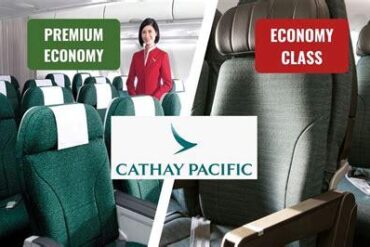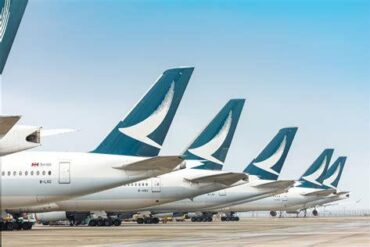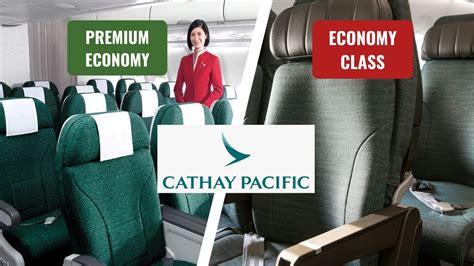
Flying long-haul with Cathay Pacific from JFK to Hong Kong raises an essential question for savvy travelers: should we stretch our miles or wallets for Premium Economy, or stick to the affordability of Economy? While both cabins offer the world-class service Cathay is known for, the experience diverges dramatically in comfort, privacy, and convenience. Let’s dive into a detailed breakdown based on firsthand experiences and frequent flyer insights.
Cabin Atmosphere and Layout: Space, Quiet, and Positioning
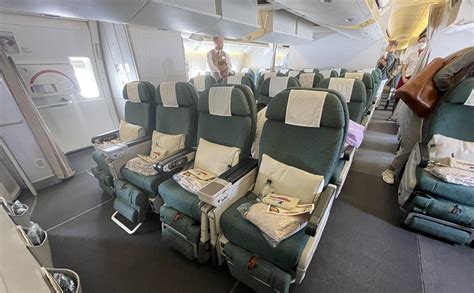
One of the most immediate and noticeable differences between Premium Economy and Economy is the cabin environment. Cathay Pacific’s Premium Economy cabins are significantly smaller, hosting just a few rows—this makes for a quieter, more peaceful flying experience. The cabin is typically located closer to the front of the aircraft, reducing engine noise and improving disembarkation speed.
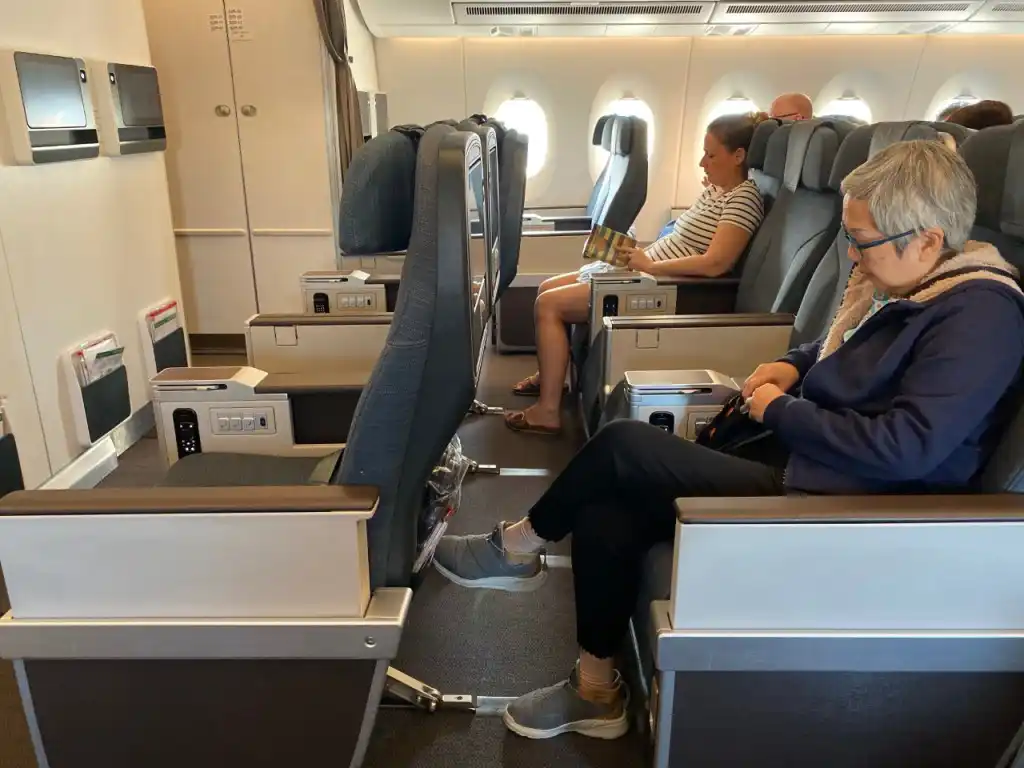
This cabin placement also proves beneficial when going through immigration upon arrival—those seated nearer the front get a head start, potentially avoiding long lines. For long-haul routes like JFK to HKG, this can mean the difference between breezing through customs and waiting another 45 minutes.
Seat Design and Comfort: Recline, Width, and Ergonomics
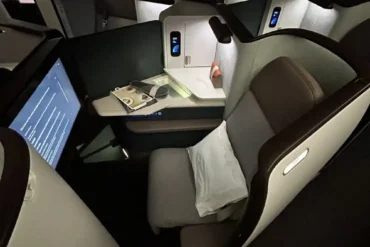
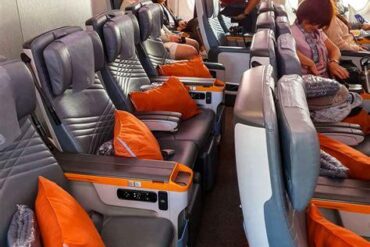
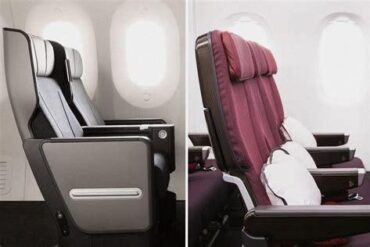
While the seat pitch in Economy ranges around 32 inches, Premium Economy on Cathay Pacific offers approximately 38 inches. This 6-inch gain translates to increased legroom, a noticeable difference on 10–15 hour flights. The seats are also wider by about 1–1.5 inches, depending on the aircraft type (A350 vs B777), allowing for a more relaxed seating posture.
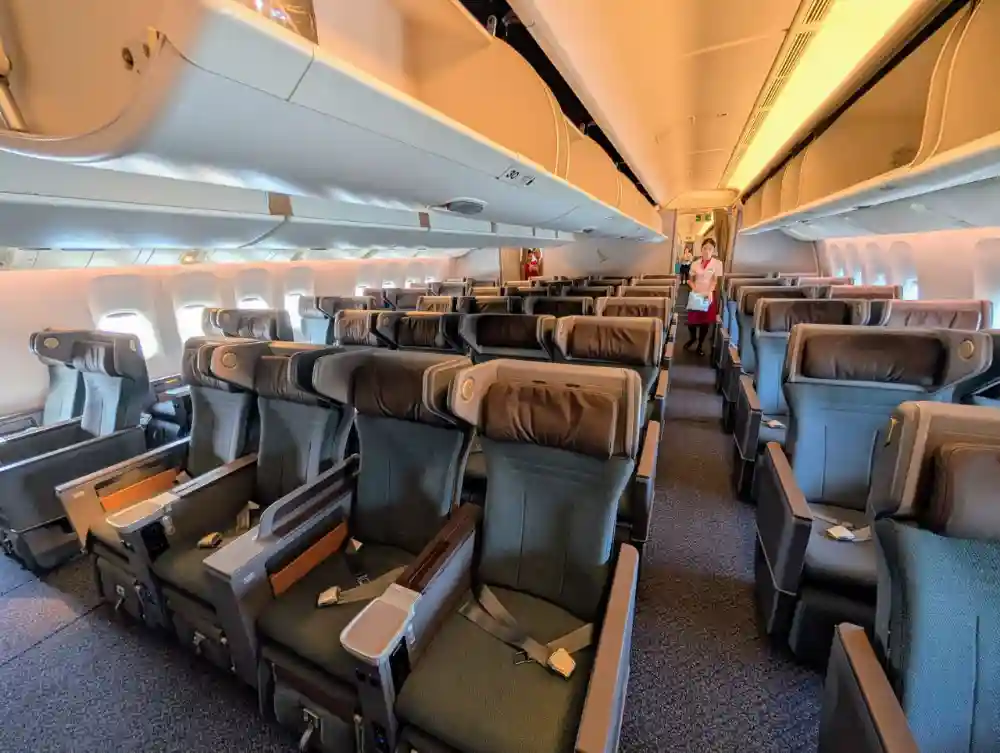
The recline function in Premium Economy is significantly superior. Passengers consistently highlight how much easier it is to sleep or rest due to the generous recline angle. However, some caution is warranted: when the seat in front reclines fully, space behind becomes limited, which can be restrictive for taller travelers or those needing frequent movement.
An additional perk is the integrated leg and footrest. While not a substitute for lie-flat comfort, they make a notable difference in supporting legs during overnight segments. Some find the footrest essential for sleep; others—especially taller individuals—see minimal benefit.
Food and Beverage Experience: Small Upgrades, Big Perception
Let’s be clear: airplane food will always be airplane food. However, Premium Economy meals come with minor enhancements: upgraded menus, stainless steel cutlery, and occasional real glassware. While not revolutionary, the psychological impact of even modestly better presentation elevates the overall experience.
Between meals, Premium Economy passengers may receive a wider selection of snacks and drinks. Still, for most travelers, this perk alone isn’t enough to justify the cost difference. As one frequent flyer phrased it: “Better food, yes—but at the end of the day, it’s still chicken or fish on a tray.”
Inflight Amenities: Kits, Screens, and Perks
In Premium Economy, passengers receive a basic amenity kit, which usually includes an eye mask, socks, toothbrush, and toothpaste. It’s not luxurious, but it adds a touch of comfort, especially for overnight journeys. Economy passengers typically need to request these items individually.
Entertainment screens in Premium Economy are larger and higher resolution, mounted at a better angle for viewing. The noise-canceling headphones also beat the disposable earbuds of Economy by a wide margin.
Boarding and Check-In: Skip the Queues
Another underappreciated benefit is priority check-in and boarding for Premium Economy passengers. Cathay usually maintains a separate line at check-in counters, which expedites the pre-flight process. Boarding groups are prioritized ahead of Economy, ensuring passengers can settle in sooner and access overhead bin space more easily.
For travelers with Oneworld status, the advantage can compound—allowing lounge access and further minimizing the hassles associated with long-haul air travel.
Aircraft Type and Seat Variations: A350 vs B777 Differences
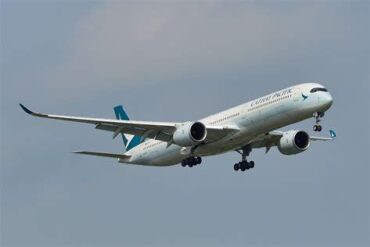
Travelers must be cautious when comparing experiences across Cathay’s fleet. The A350 is newer but narrower, leading to 8-across seating in Premium Economy. Several tall or broad-shouldered passengers report it feeling tighter than expected.
In contrast, the Boeing 777, being wider, provides a roomier Premium Economy cabin even though some are yet to be retrofitted with newer seat designs. Bulkhead seats are generally considered the best for maximizing legroom—but come with tradeoffs, such as fixed armrests or proximity to lavatories.
The Price-Value Dilemma: Is It Worth It?
When evaluating the upgrade, context is key. If Premium Economy costs just a few hundred dollars more or if Asia Miles can be used with minimal increase in points, the upgrade is often well worth it—especially for flights over 9 hours.
However, several users point out that on some routes, Premium Economy fares approach Business Class prices on competitors like Emirates or Finnair. In those cases, it may be wiser to switch airlines and enjoy true lie-flat luxury rather than modest enhancements.
What makes Premium Economy feel truly premium is not just the physical product, but the overall perception of calmer, less crowded travel. The quieter cabin, faster boarding, and better recline may not seem dramatic on paper, but over the course of a transpacific haul, they begin to add up to real comfort.
Personal Preferences and Situational Factors
The worth of Premium Economy is inherently personal. Shorter, lighter individuals often find Economy manageable even on 10-hour flights. Some seasoned travelers even prefer bulkhead Economy seats over standard Premium Economy due to the unobstructed legroom.
Time of day also plays a role. As one user explained, “I fly Economy during the day, but Premium at night. It’s easier to sleep, and I feel more refreshed when I land.” This insight reflects a common theme: the value of Premium Economy amplifies when rest is critical, such as for business trips or avoiding jet lag.
Mileage Bookings and Seat Selection Considerations
When booking with Asia Miles, passengers often wonder if they can choose seats after confirming an Economy award. In most cases, yes, Cathay allows standard seat selection in Economy post-booking, though extra-legroom seats may incur additional fees.
Premium Economy award seats tend to be more limited but are available at a reasonable miles premium. If your mileage balance allows for a one-way upgrade—say Premium outbound, Economy return—this strategy delivers the best of both worlds: comfort when it’s most needed, and savings when it’s not.
Final Verdict: Premium Economy for Cathay’s Long-Haul Flyers
Flying Cathay Pacific Premium Economy from JFK to HKG is an incremental but meaningful upgrade over Economy. It’s not transformational like Business Class, but for the price—or especially when redeeming miles—it presents an appealing middle ground.
Choose Premium Economy if:
- You’re flying overnight or want better sleep.
- You value a quieter, more personal cabin.
- You can get a bulkhead or newer seat model.
- The price difference from Economy is minimal.
Stick to Economy if:
- You’re comfortable with tighter space.
- It’s a daytime flight.
- The price jump approaches Business Class territory.
Ultimately, Premium Economy isn’t just about seat specs—it’s about how much better you feel upon arrival. And for many frequent Cathay flyers, that difference is not just perceptible—it’s worth every cent.